Insights
Designing for longevity instead of replacement
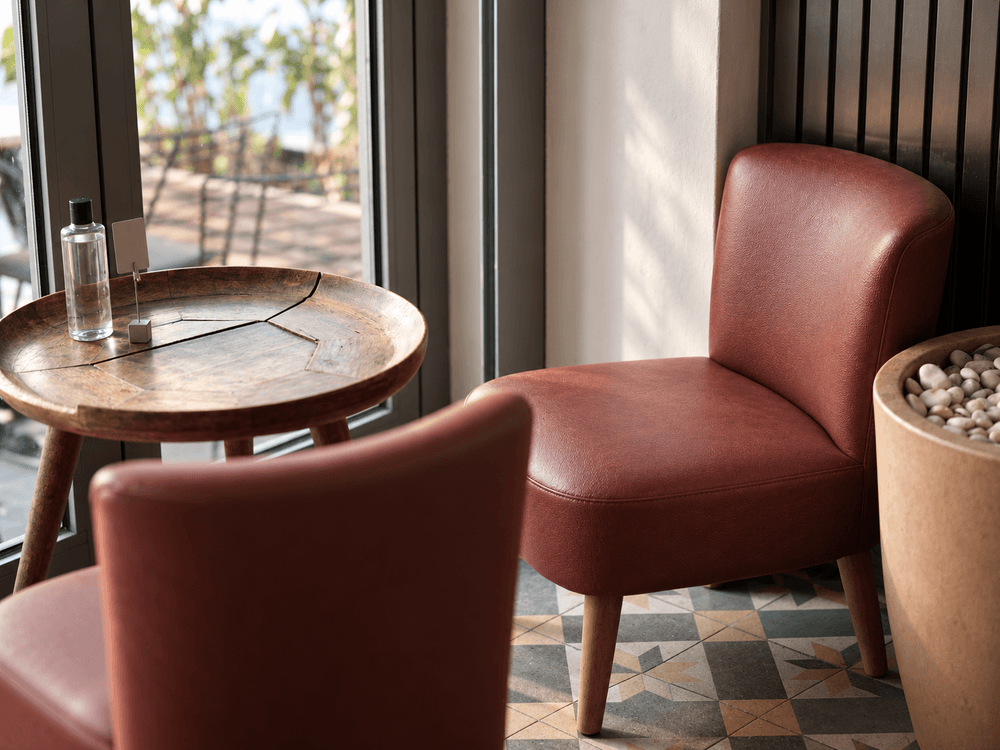
We spend a lot of time designing how an interior begins. Perhaps we should spend more time thinking about how it will age.
We spend a lot of time designing how an interior begins. Perhaps we should spend more time thinking about how it will age.
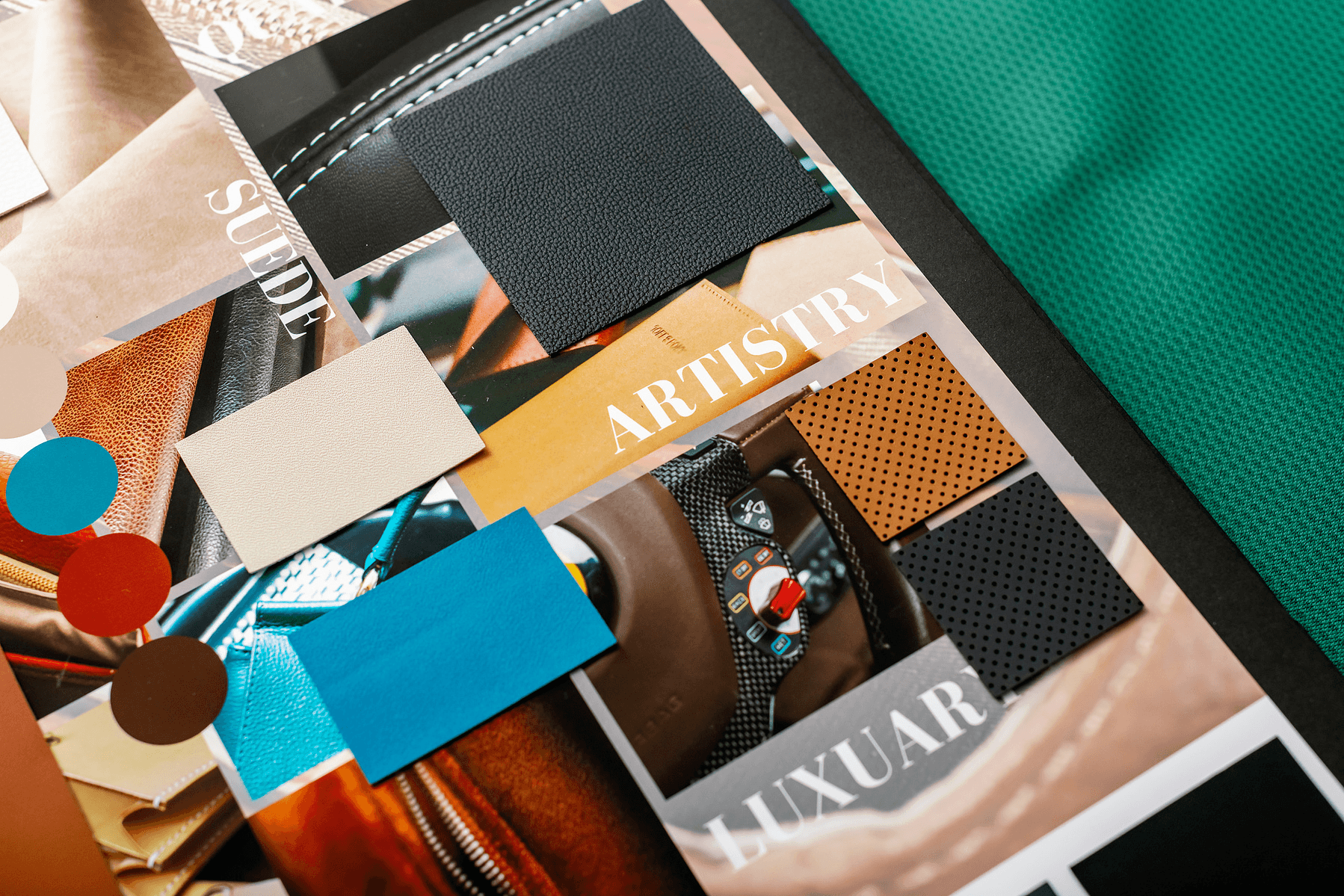
Cleanability has a direct bearing on how well a material performs, looks and lasts in use. Considering it early can prevent maintenance becoming a compromise later.
A material can look right on a mood board and still potentially fall short in the finished space. The challenge is carrying the qualities that made it right - its colour, texture, finish and performance - all the way from first sample to final installation.
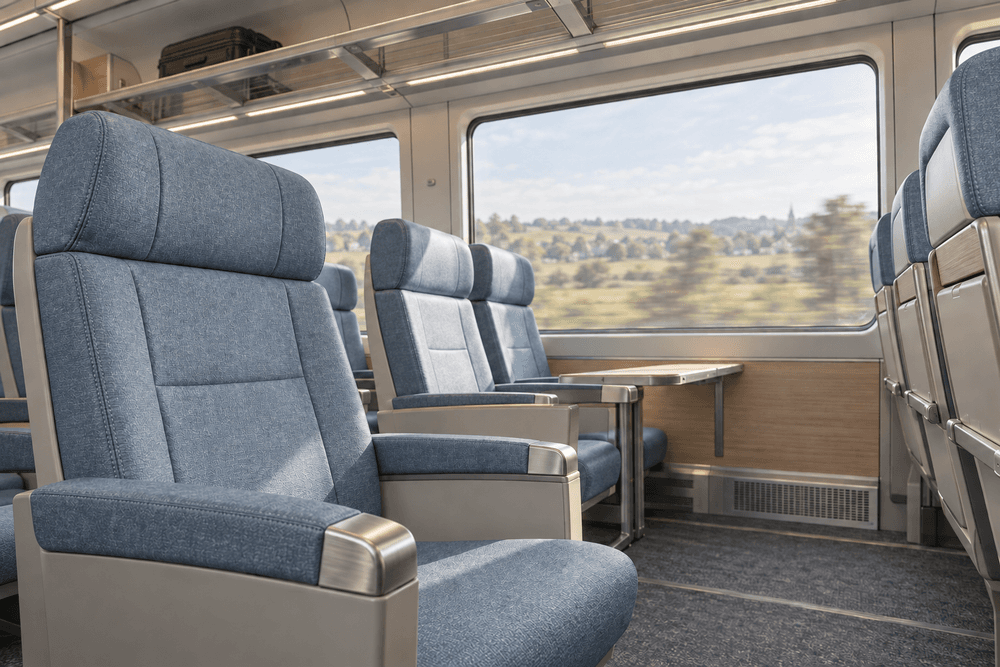
The most successful material decisions rarely demand attention. Instead, they quietly shape how a space feels, functions and holds up to everyday life.
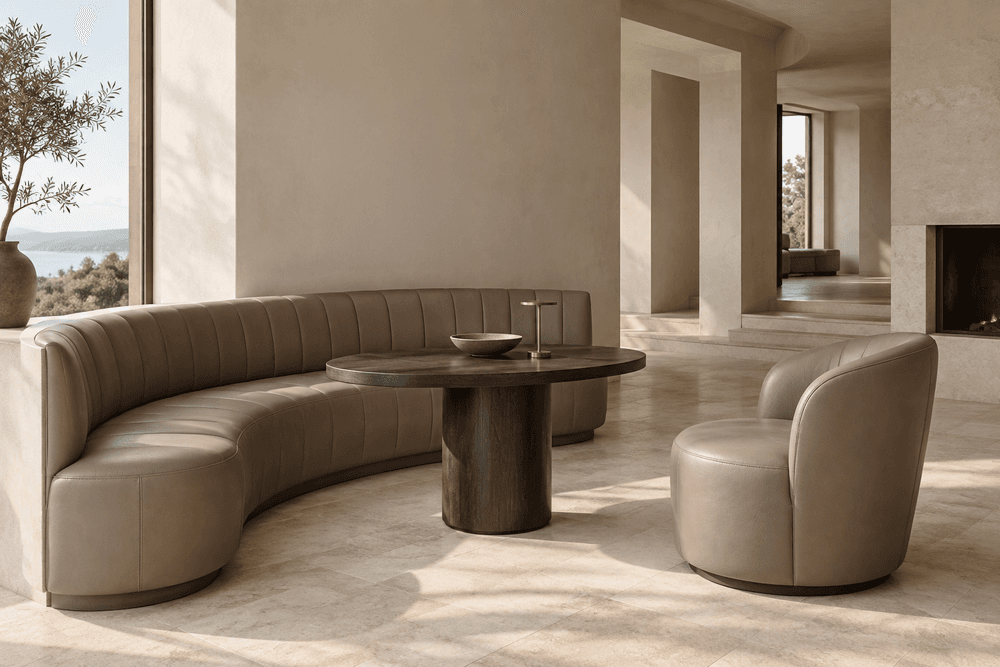
When every surface can have its own colour, texture and finish, knowing what to leave out becomes a design decision in itself. We look at the role material restraint can play in creating interiors that feel coherent, purposeful and resolved.
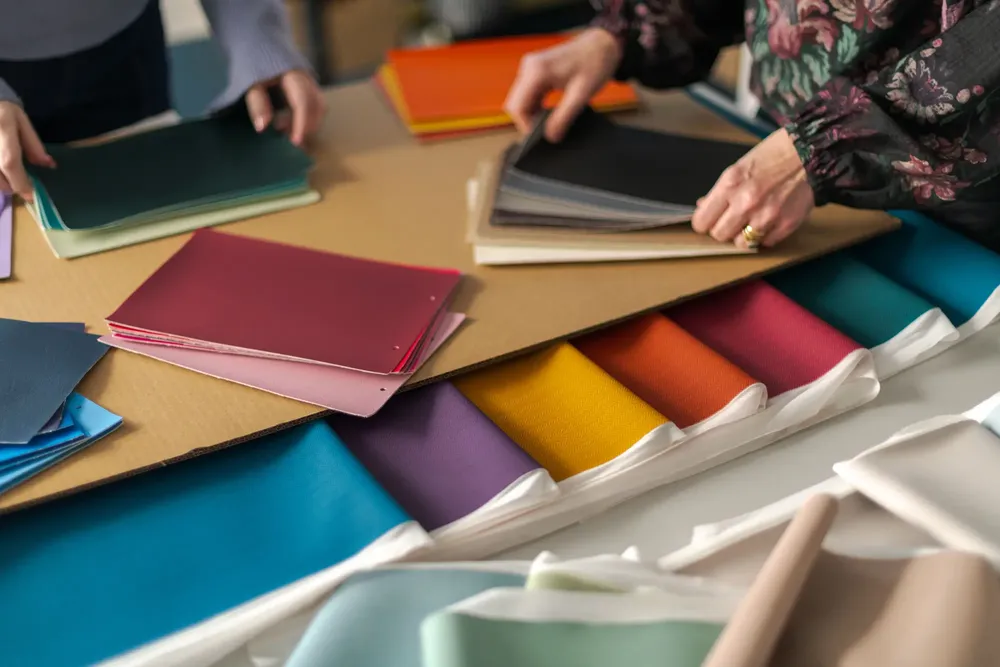
An upholstery sample gives valuable insight into a material's colour, texture and character, but it can't tell the whole story. We explore what samples reveal, what they don't, and why context is just as important as first impressions.

Healthcare design is becoming warmer, calmer and more considered. We look at the colours, textures and material choices helping to shape spaces that care for people as well as perform for them...
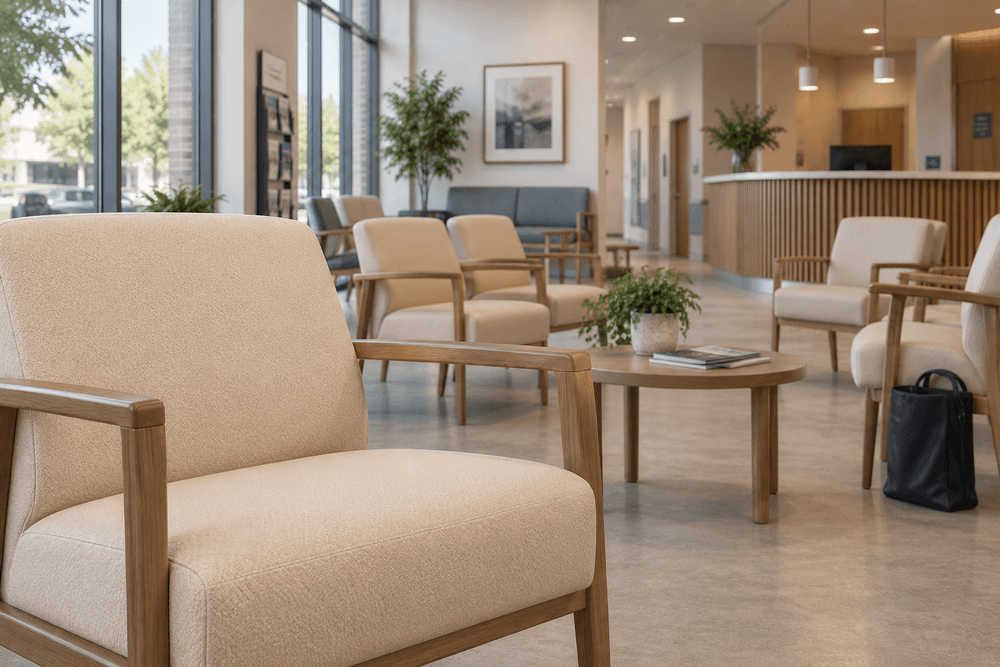
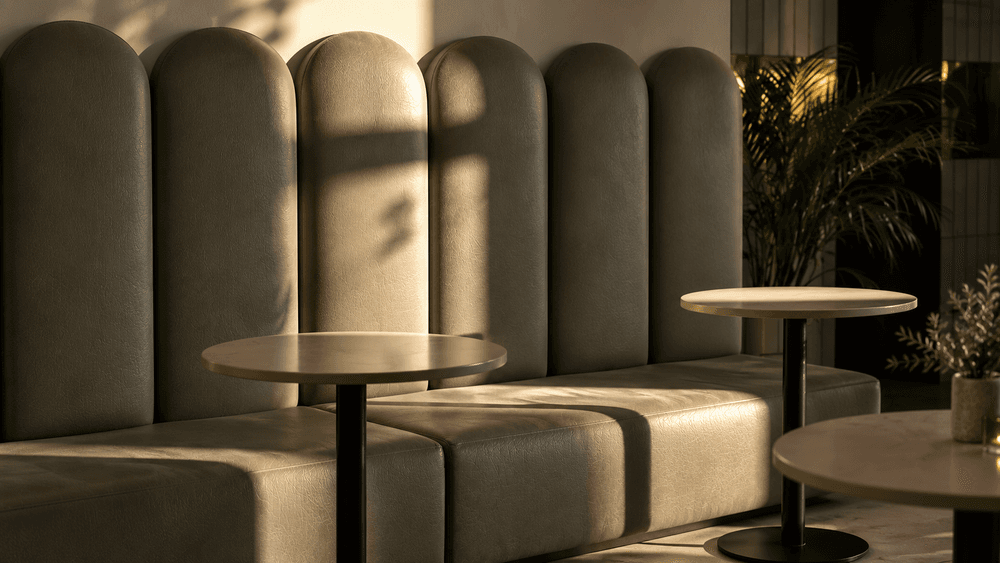
The real test of upholstery happens months and years after installation, when a space still feels welcoming, comfortable and visually consistent despite the demands of everyday use.
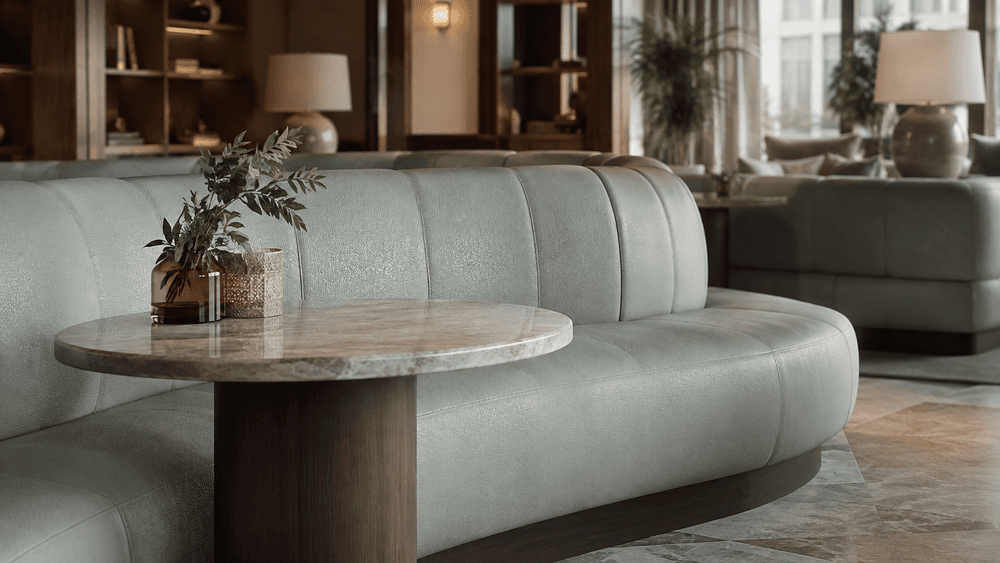
In this article, we explore what gives commercial hospitality interiors that lasting quality, and why timeless design is often shaped as much by what happens after opening day as the decisions made before it.
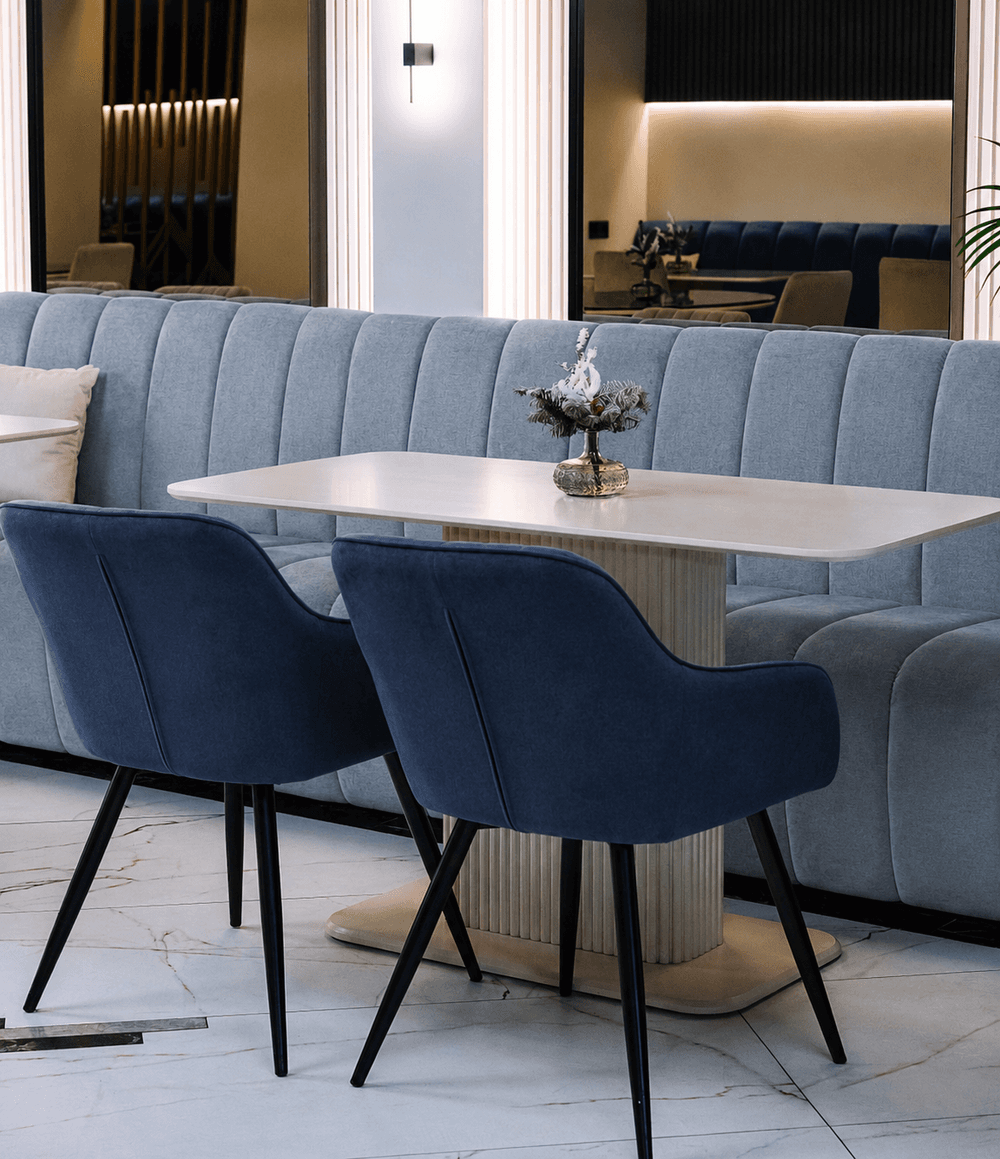
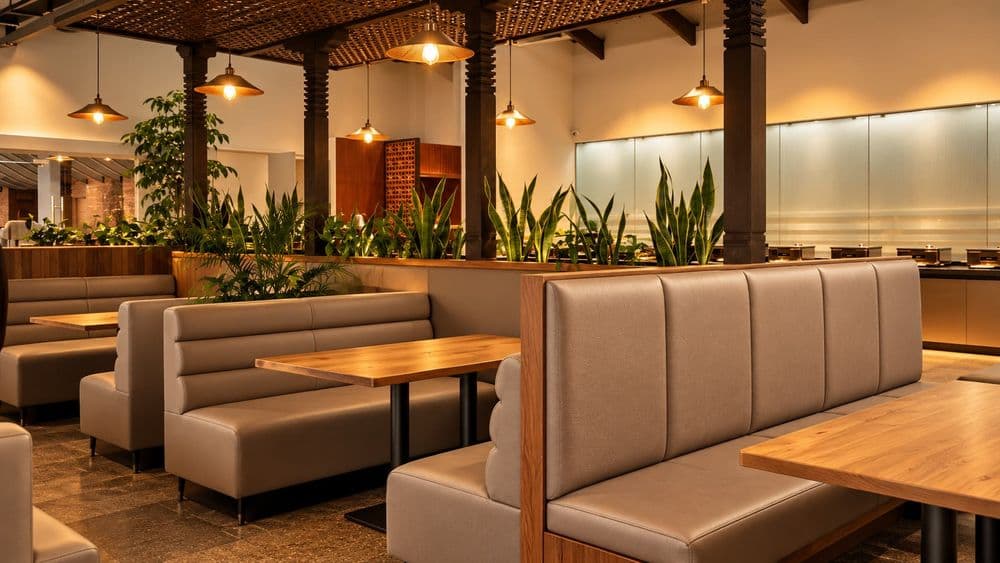
Commercial interiors rarely need replacing because they've worn out. More often, they've simply fallen behind the way people expect a space to look and feel.
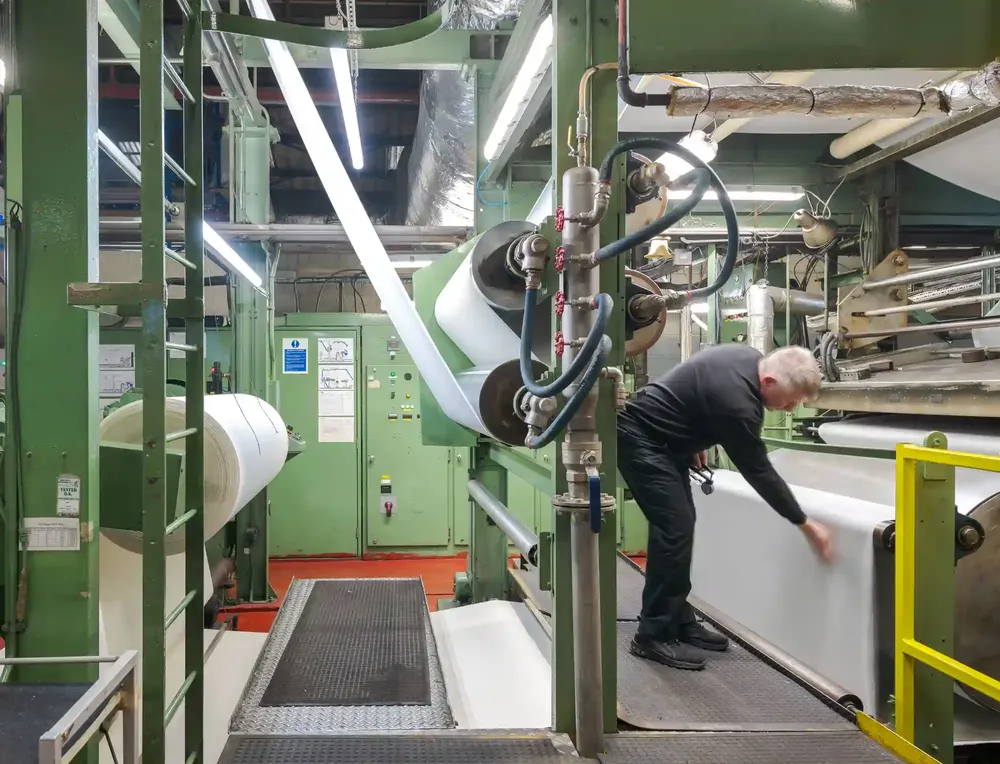
As supply chains become increasingly global, the value of manufacturing closer to home is often overlooked. We explore why British manufacturing continues to play an important role in commercial interiors.
-1000x667.jpg&w=3840&q=75)
When upholstery arrives on site, approvals are done, specifications are signed, orders are placed, and installation schedules are set. Confidence in these decisions is not just about how the material looks. It comes from knowing the material will perform as needed and that all supporting information is clear, accurate, and easy to access.
-1000x605.jpg&w=3840&q=75)
The most responsible material decisions are often the ones nobody notices. Not because they lack impact, but because years later they are still doing the job they were specified to do.

Upholstery within fitness spaces helps shape atmosphere, comfort and perception, supporting spaces that are increasingly designed around the full member experience rather than exercise alone.
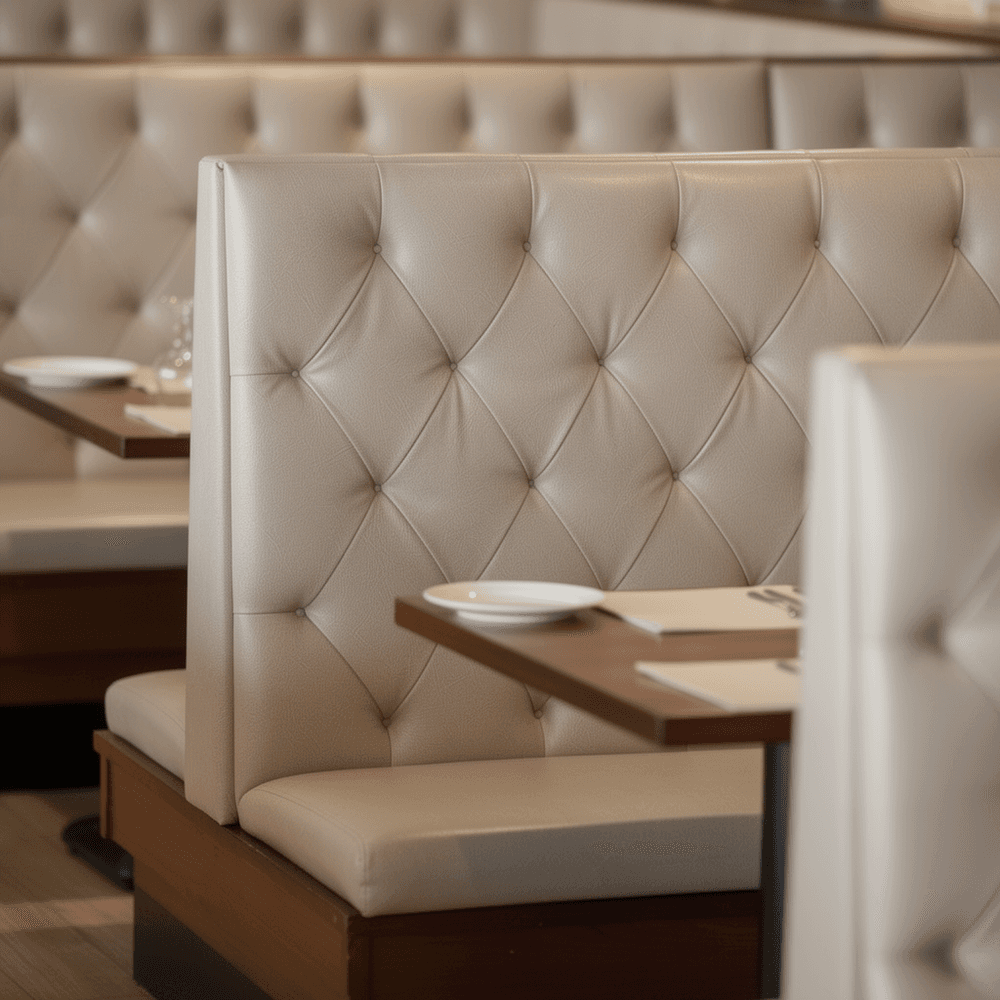
A swatch can set the direction, but specification is what protects it. Colour, texture, finish and performance all shape whether the finished seat holds the same intent as the first sample.
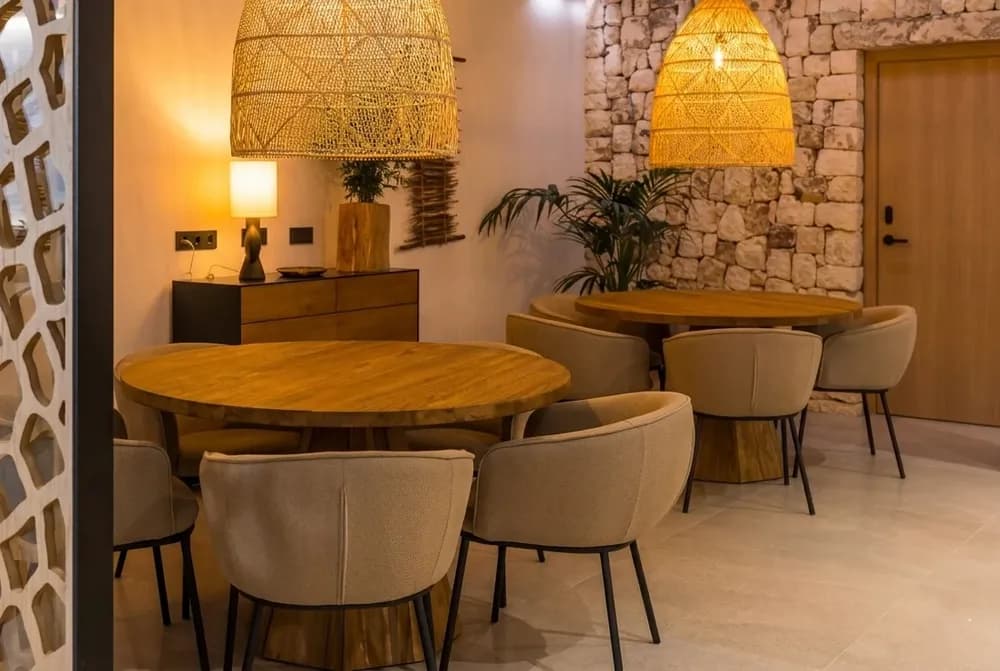
Upholstery materials for hospitality settings must perform under constant use while maintaining appearance over time.

Healthcare interiors present a complex design challenge; spaces must meet strict hygiene and safety standards while still supporting patient comfort and dignity.
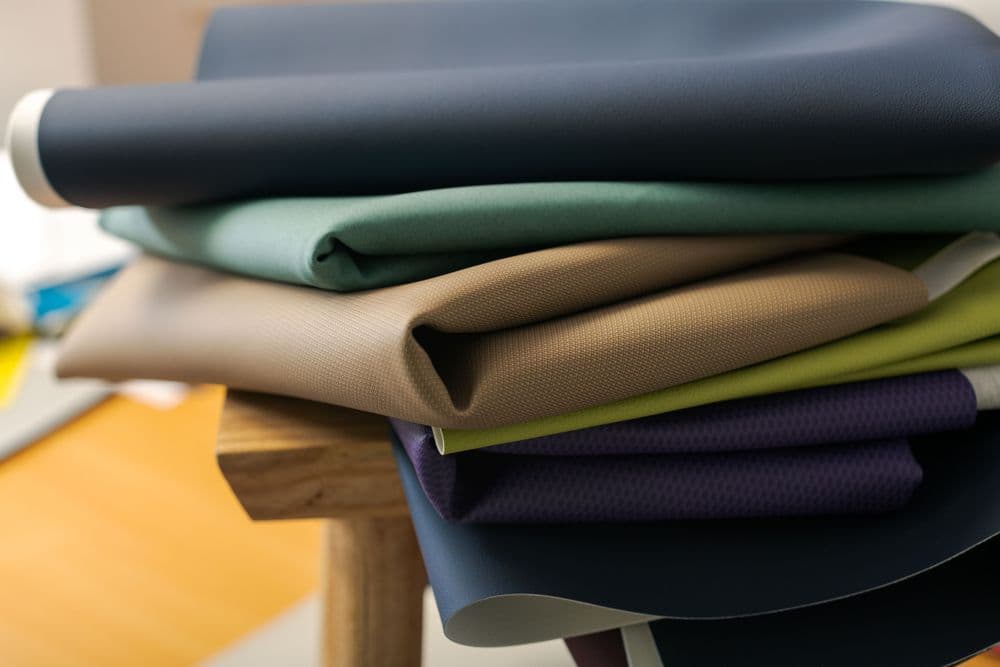
The two most common materials are PU (polyurethane) fabrics and vinyl-coated materials. Both are often called faux leather, which can sometimes cause confusion since the terms aren’t used the same way everywhere.

Upholstery on boats and ferries has to withstand salt, moisture, sunlight, and heavy wear. These conditions place significant stress on materials.
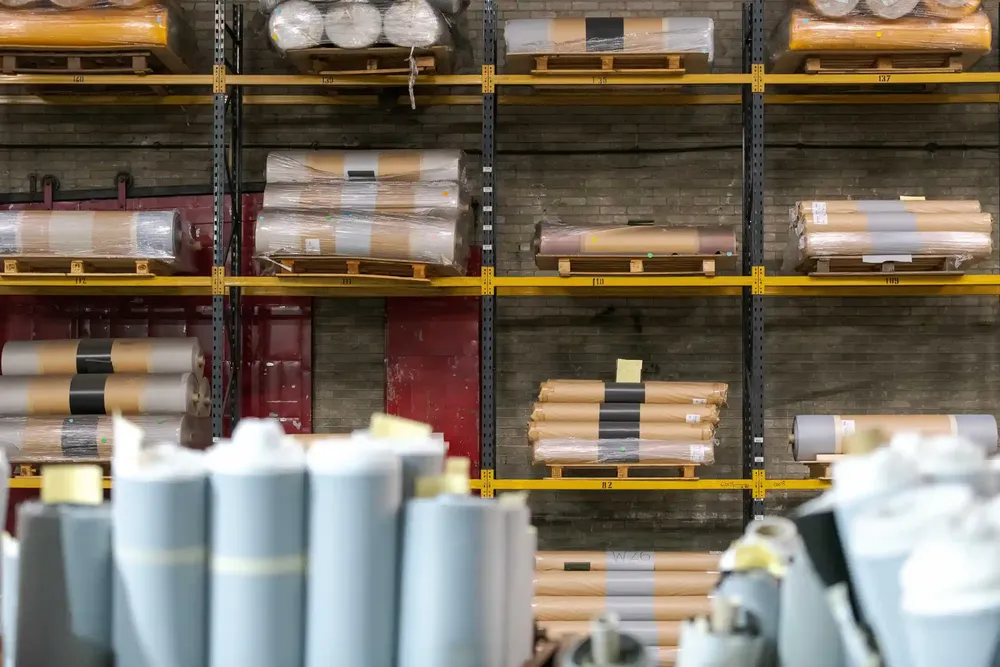
Vinyl-coated fabrics are widely used across sectors such as healthcare, hospitality, and transport because they are durable and easy to clean. But not all coated fabrics handle installation the same way.
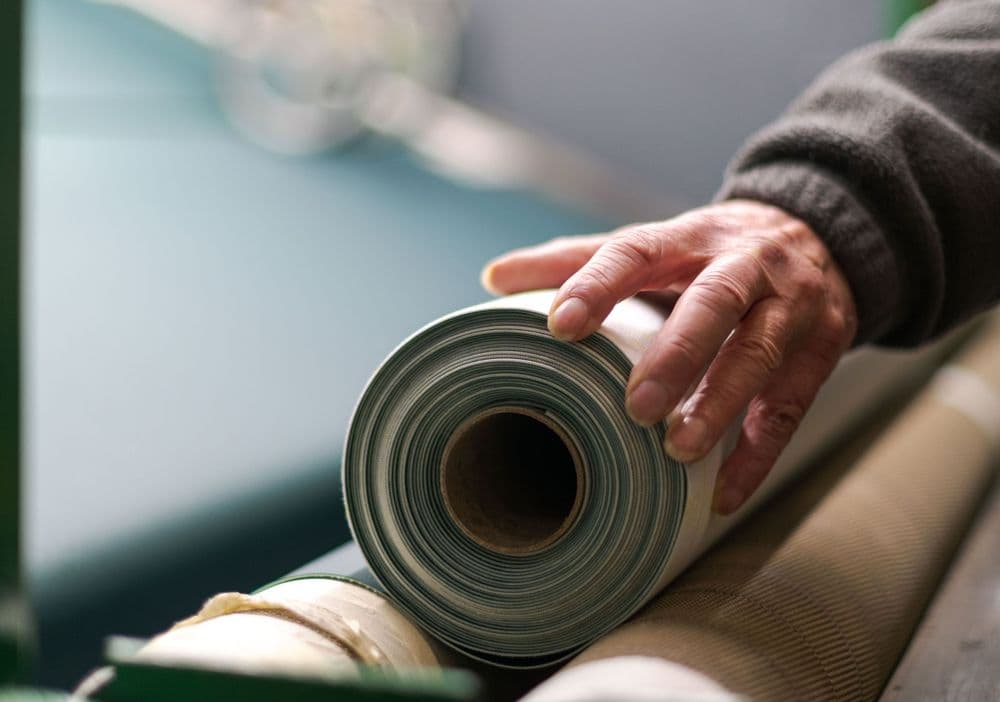
The term ‘British-made upholstery fabric’ is often used as a simple label, but it actually means the material is designed, manufactured, and quality-checked here in the UK.

We don’t shy away from our faux-leather fabrics being a vinyl-based material. It’s what allows us to achieve exceptional standards in durability, hygiene, and fire safety. What matters to us is how it’s made, how long it lasts, and what happens next.