















Insights
British-Made upholstery fabric: Does it actually make a difference?
The term ‘British-made upholstery fabric’ is often used as a simple label, but it actually means the material is designed, manufactured, and quality-checked here in the UK.
We rarely pause to think about where a material was made until something goes wrong.
A delayed delivery, inconsistent batches or an unexpected specification change can quickly expose the complexity of a supply chain. Suddenly, the distance between designer, supplier and manufacturer feels much greater than it did when the project began.
When everything works, manufacturing remains largely invisible. Yet the decisions made behind the scenes - where a material was produced, who made it and how closely they remained involved throughout the process - often determine whether a commercial interior continues to perform years after completion.
That's why British manufacturing still matters. Not simply because of where a product is made, but because of what proximity makes possible.
Few materials make a straightforward journey from manufacturer to finished interior. A product may be developed by one business, manufactured by another and supplied through multiple partners before it reaches a project.
Most of the time, that process works well. However, every additional step between product and production introduces another opportunity for information to become diluted, responsibility to become less clear and consistency to become harder to maintain.
When manufacturing and product knowledge become disconnected, the impact is often felt long after the initial specification. A technical query may take longer to answer. A repeat order may not perfectly match the original batch. A product update or availability issue can become more difficult to communicate, particularly when several organisations sit between the manufacturer and the customer.
For commercial interiors, reliability depends on more than the material itself. It relies on confidence that the same product can be supplied consistently, supported technically and manufactured to the same standard throughout its lifecycle.
As that connection becomes more distant, it's easier to lose:
Keeping manufacturing expertise close creates opportunities that extend well beyond the factory floor.
Long before production starts, manufacturers are often supporting specification through sample development, discussions around colour and finish, technical guidance and the practical expertise that helps ensure a material performs as intended.
When manufacturing takes place close to the people making those decisions, collaboration becomes much more straightforward. Questions can be answered directly by the factory, potential issues can often be resolved before they become costly, and design intent is far less likely to be diluted as a project progresses.
Indeed, the value of proximity often becomes most apparent when a project changes:
But supporting a project through specification is one thing. Supporting it years later is another.
A material is rarely specified just once. Commercial interiors evolve over time, whether that's extending an existing space, refurbishing part of a building or replacing damaged furniture years after the original installation. The product approved today should give specifiers confidence that it can be supplied again years later without compromising quality or consistency.
That consistency should extend to every stage of a product's lifecycle, including:
Delivering that level of continuity requires disciplined manufacturing processes and the ability to produce established products consistently at scale. How easy is it to guarantee that level of continuity when product, production and technical expertise are spread across multiple organisations or countries?
Close collaboration and quality control are only one part of the picture. Modern manufacturing rightly celebrates automation, rigorous testing and advances in production technology. And in fact, those developments have transformed the industry and continue to raise standards across manufacturing.
What technology hasn't replaced is experience.
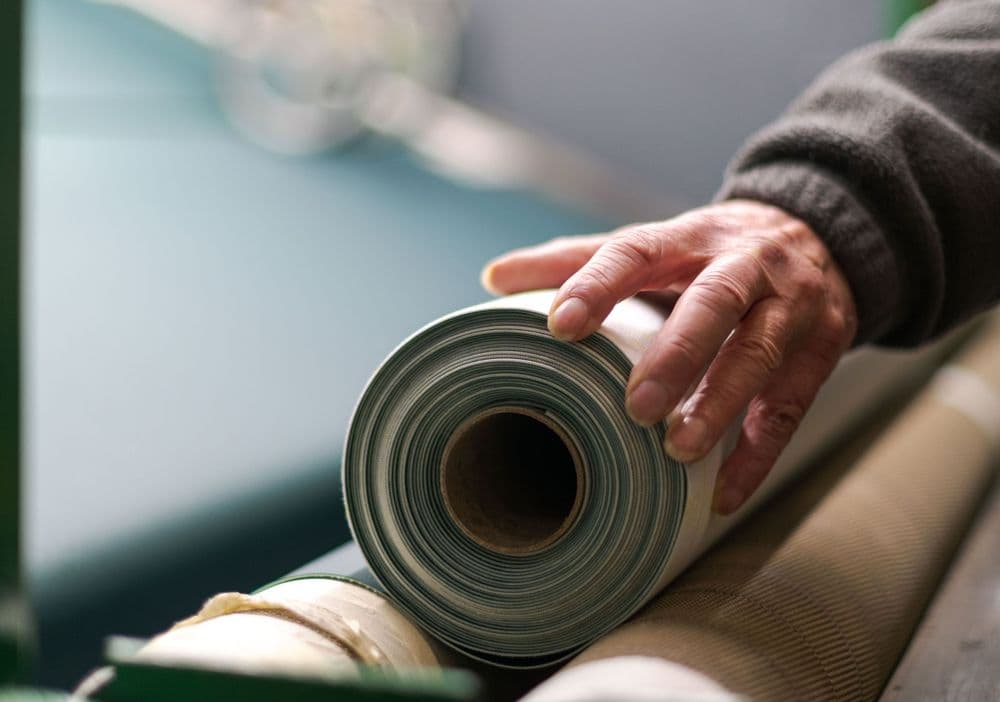
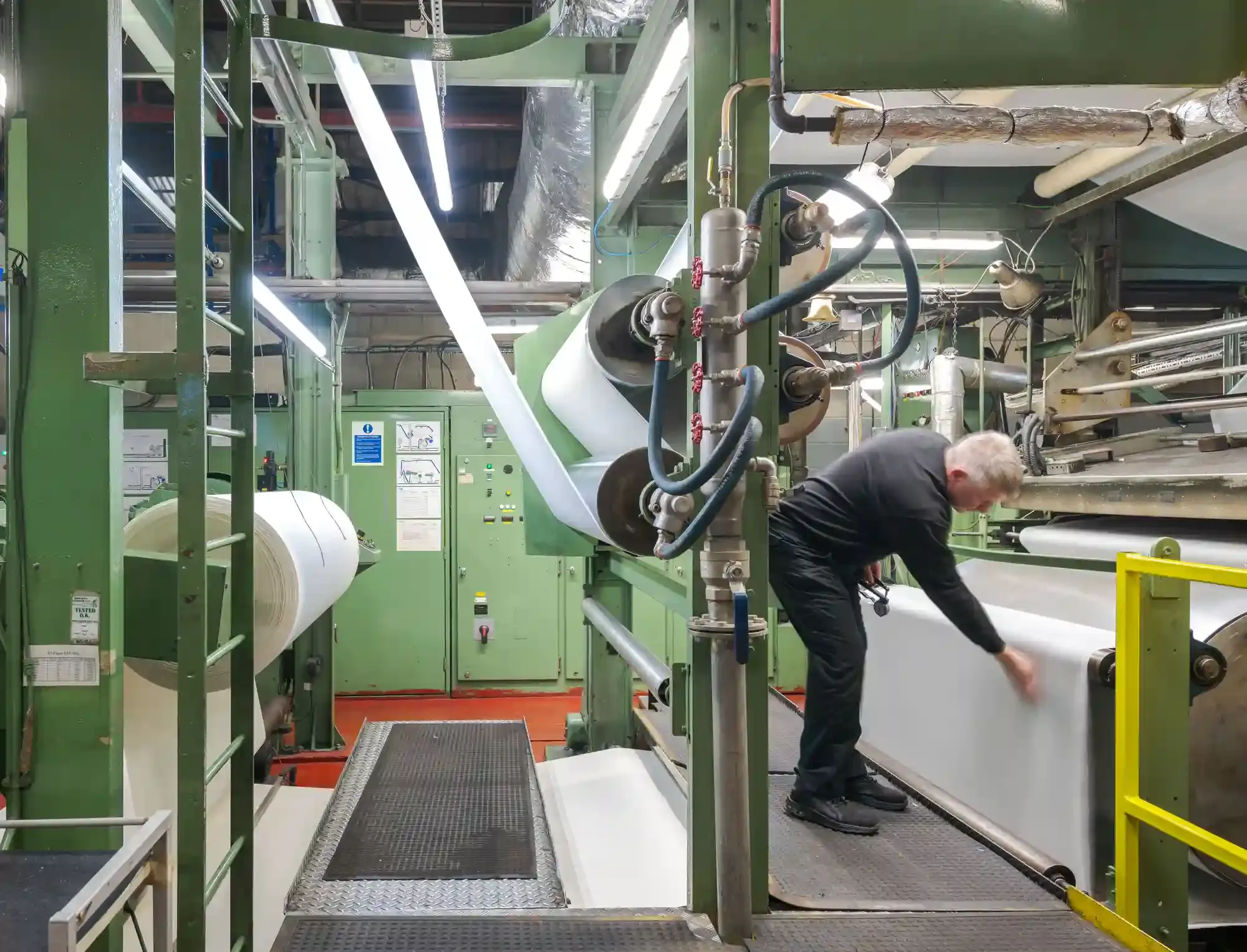
At Ambla, our coated fabrics are still manufactured in Lancashire, where textile production has shaped the region for generations. Many of the people producing our materials have spent decades refining the processes behind them. That experience helps them recognise subtle variations, understand how small production adjustments influence performance, and maintain the consistency that commercial interiors depend upon.
Not every aspect of manufacturing can be documented. The understanding developed through years of making, testing and refining a material helps inform thousands of small decisions that influence its consistency and long-term performance. It's the kind of knowledge that develops through experience, not simply process.
Some things simply take time.
British manufacturing isn't the right solution for every project, and that's not the point. Global supply chains have an important role to play, but there are still clear advantages to keeping manufacturing closer to the people designing, specifying and using a material.
In practice, British manufacturing helps deliver:
Individually, these may seem like small advantages. Collectively, they can make a significant difference to how smoothly a project progresses and how confidently a material performs once it's installed.
They're not always the things that appear on a specification sheet, but they're often the things that matter most once the specification becomes a finished interior.
At Ambla, we've been manufacturing coated fabrics in Lancashire for generations.
Our machinery has evolved, manufacturing standards have become increasingly demanding, and customer expectations continue to change. What hasn't changed is our belief that the best products are created by staying closely connected to both the manufacturing process and the people using our materials.
For us, British manufacturing isn't about nostalgia or simply being able to say that a product is made in Britain. It's about maintaining the expertise, accountability and close collaboration that allow good products to become consistently reliable ones.
Ultimately, the best manufacturing isn't remembered for where it happens. It's remembered because, years later, nobody is talking about the material at all. It's simply doing exactly what it was designed to do.
If you'd like to learn more about how Ambla's British-manufactured coated fabrics support commercial interiors across healthcare, hospitality and workplace environments, explore our collections or speak to our team.
A considered selection of materials connected to the themes, surfaces or applications explored in this piece.
Thoughtful perspectives on materials, environments and the standards that define them. Where material knowledge meets real-world application across the sectors we serve.
The term ‘British-made upholstery fabric’ is often used as a simple label, but it actually means the material is designed, manufactured, and quality-checked here in the UK.
-1000x605.jpg&w=3840&q=75)
The most responsible material decisions are often the ones nobody notices. Not because they lack impact, but because years later they are still doing the job they were specified to do.
-1000x667.jpg&w=3840&q=75)
When upholstery arrives on site, approvals are done, specifications are signed, orders are placed, and installation schedules are set. Confidence in these decisions is not just about how the material looks. It comes from knowing the material will perform as needed and that all supporting information is clear, accurate, and easy to access.