PU vs faux leather: What specifiers should know
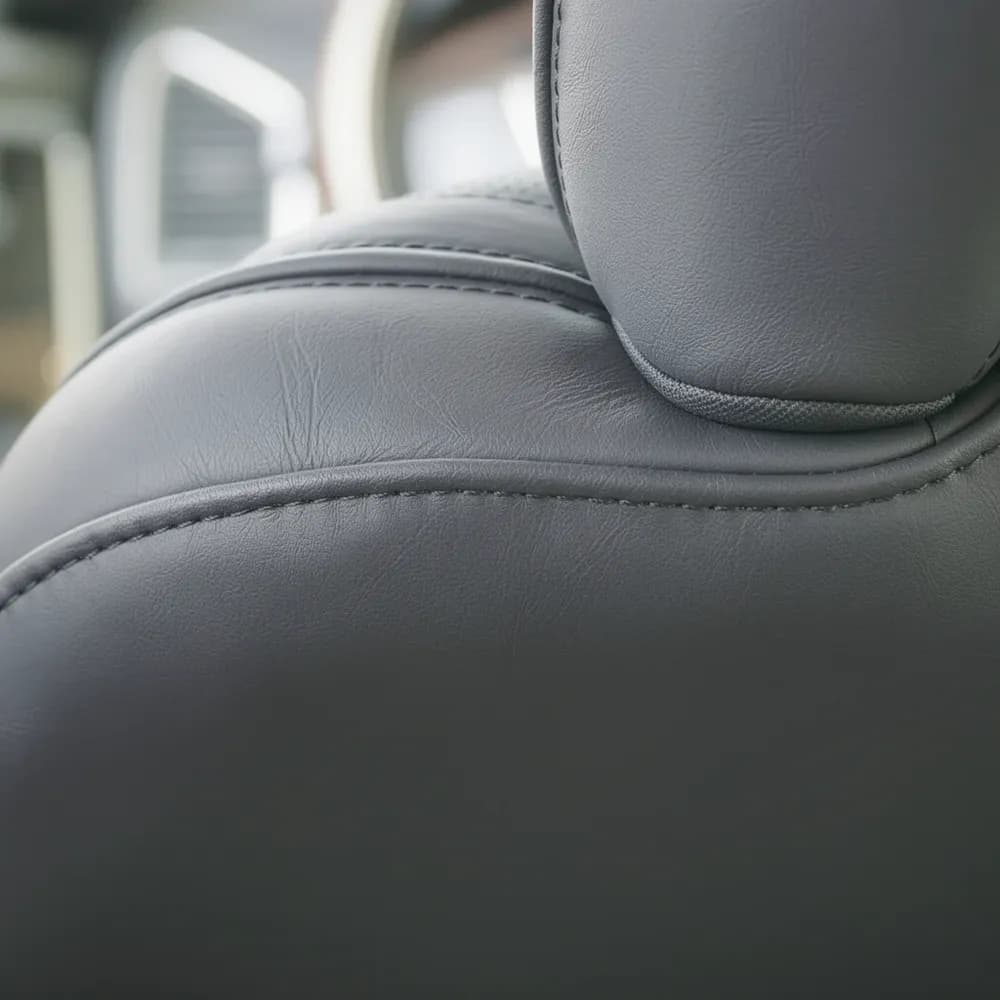
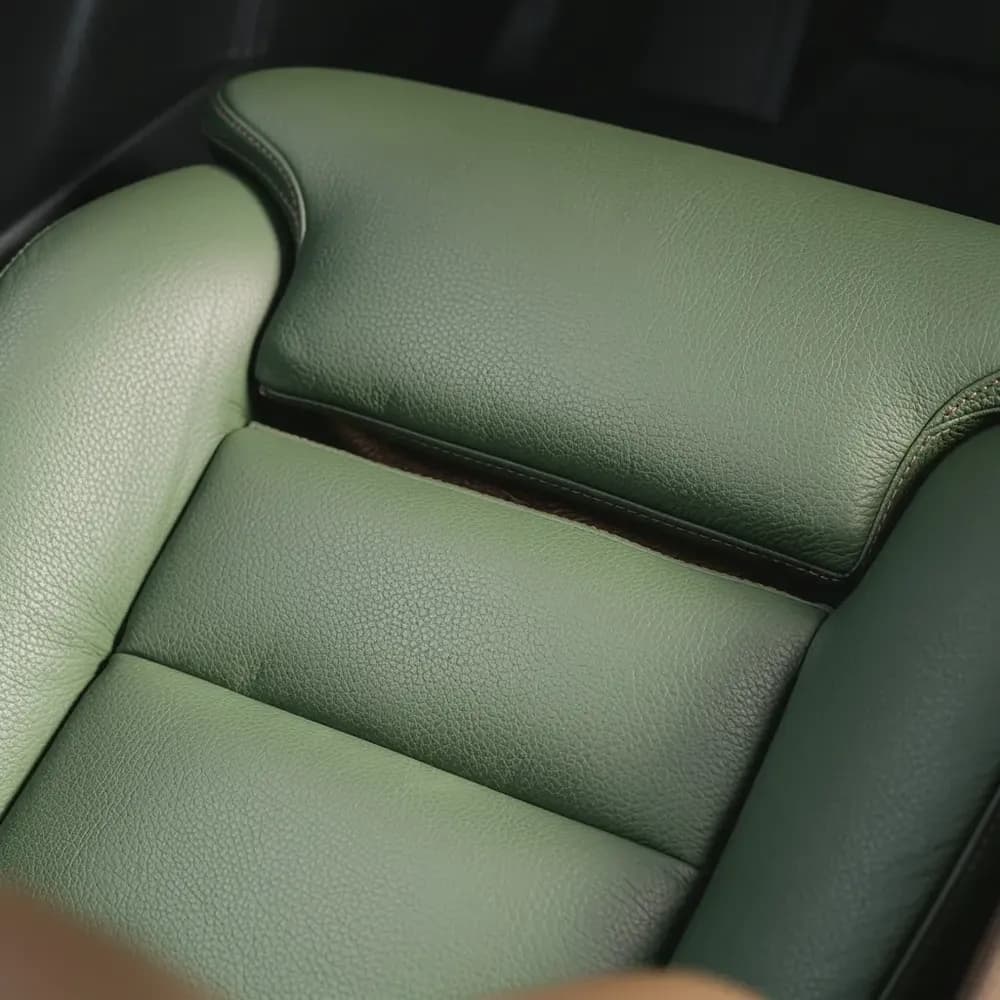
The two most common materials are PU (polyurethane) fabrics and vinyl-coated materials. Both are often called faux leather, which can sometimes cause confusion since the terms aren’t used the same way everywhere.
Understanding PU vs faux leather
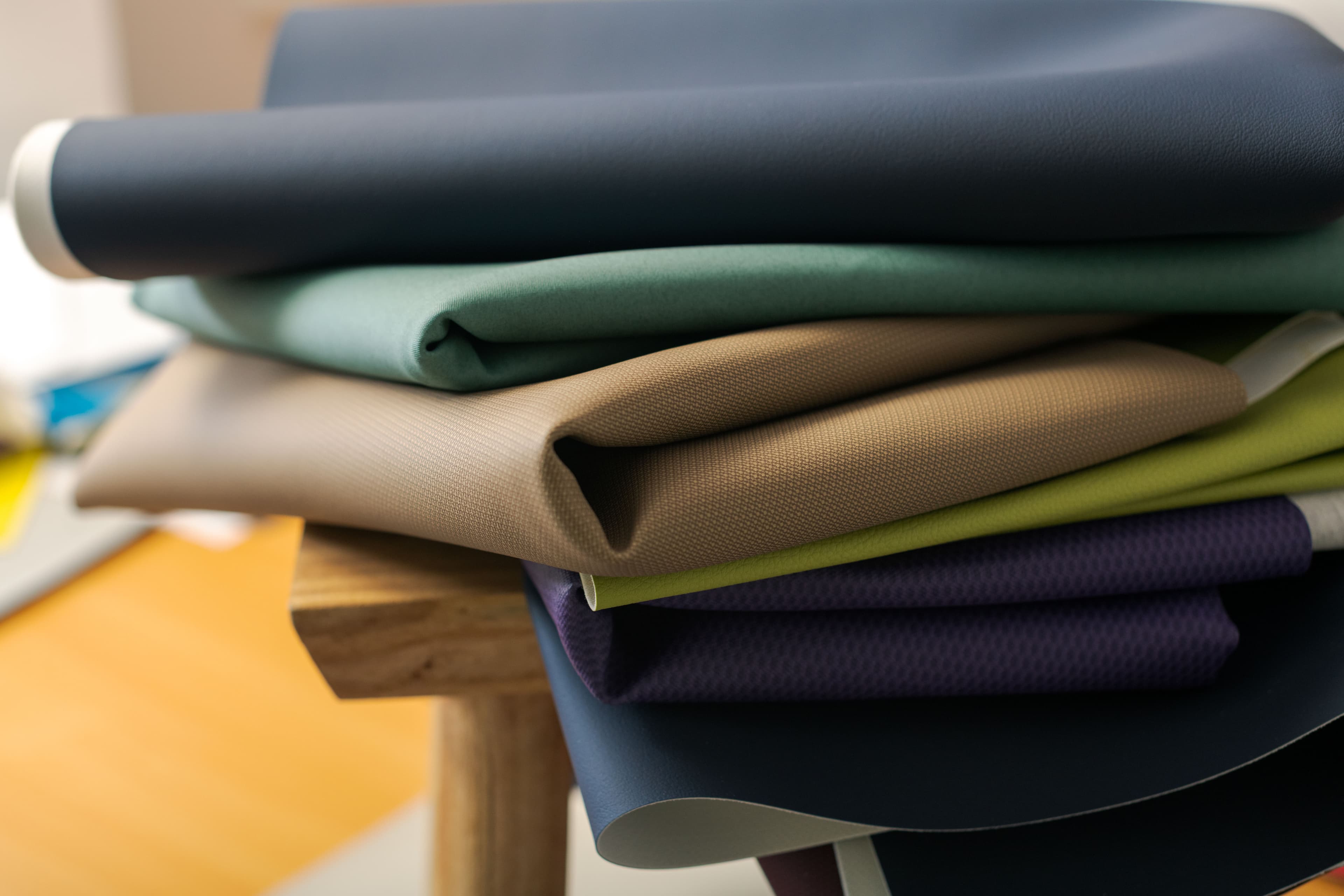
In commercial interiors, the term ‘faux leather’ is often used to refer to a range of synthetic upholstery materials, but this label encompasses several types.
The two most common materials are PU (polyurethane) fabrics and vinyl-coated materials. Both are often called faux leather, which can sometimes cause confusion since the terms aren’t used the same way everywhere.
Both are made to look and feel like leather, but they’re built differently and can perform quite differently in tough settings.
If you’re choosing materials for healthcare, transport, hospitality, or public spaces, knowing these differences helps you choose a material that will last.
Durability: Performance in commercial environments
Durability is usually the first thing to consider when choosing upholstery for commercial seating.
PU fabrics have a polyurethane coating over a textile backing. They feel soft and leather-like, and when specifying materials for office chairs or home furniture where use isn’t too heavy.
Vinyl-coated fabrics, also called faux leather, use a PVC coating over fabric. They’re made to be tougher and more stable, especially for busy commercial spaces.
In busy places like healthcare waiting rooms, transport seating, or hospitality venues, upholstery gets a lot of use, cleaning, and wear and tear.
For these settings, you need a fabric that looks good and remains durable even under heavy use.
Abrasion resistance and surface wear
Abrasion resistance shows how well a fabric withstands repeated rubbing from sitting, moving, and cleaning.
PU fabrics can perform well in moderate-use environments, but polyurethane coatings are typically thinner than vinyl coatings, which can result in faster wear in high-traffic settings.
Vinyl-coated fabrics have thicker coatings that help them resist wear and maintain their surfaces for longer.
In environments such as:
- Healthcare waiting areas
- Public transport seating
- Hospitality lounges
- Education facilities
Abrasion resistance is often one of the most important technical considerations, as this can significantly affect how long the seating retains its appearance.
Cleanability in high-use seating
Cleanability is another key factor when choosing upholstery for commercial spaces.
Seating in healthcare, hospitality, or transport often needs to handle frequent cleaning with detergents or disinfectants.
PU fabrics can provide a smooth surface that’s easy to wipe, but strong cleaning chemicals can wear down the coating, depending on the type.
VInyl coated fabrics are often designed for places where cleaning is frequent and sometimes extensive. Their protective surface layers can help resist staining, moisture and chemicals.
If hygiene is a top priority, it’s important to pick a fabric that can handle regular cleaning without breaking down.
Lifespan and replacement cycles
How long upholstery lasts depends on things like how much it’s used, how often it’s cleaned, and the environment.
PU fabrics can work well in offices or meeting rooms where use isn’t too heavy. They feel softer and more flexible, which can make seating more comfortable.
For busier commercial spaces, vinyl-coated fabrics are often chosen because they can take more wear and more frequent cleaning.
A longer-lasting fabric means you won’t need to reupholster or replace seating as often, which helps minimise disruption in operational environments.
When comparing PU and faux leather, think about how long you need the material to last in your space.
Sustainability trade-offs
Sustainability considerations are becoming a large part of material selection in commercial interiors.
PU and vinyl fabrics are both synthetic, but they’re made in different ways and use different materials.
PU fabrics might use either solvent-based or water-based coatings, depending on the type. Vinyl-coated fabrics use PVC coatings and stabilisers for strength and protection.
Since these materials are built for different things, you’ll need to weigh the trade-offs between how they’re made, how long they last, and how durable they are.
In many commercial spaces, using materials that last longer means you replace them less often, which can help cut down on waste.
When you’re thinking about sustainability, you’ll need to balance environmental concerns with how tough and easy to maintain the material is.
Choosing a durable commercial seating fabric
Choosing upholstery for commercial seating means weighing up looks, durability, and how much maintenance it will need over time.
When you’re comparing PU and faux leather, here’s what to look at:
- Expected usage levels
- Abrasion resistance requirements
- Cleaning and hygiene needs
- Lifespan expectations
- Regulatory or sector-specific requirements
Knowing how each material performs in real-world use helps make sure your seating lasts as long as you need it to.
To choose the most appropriate option for your project, don’t just focus on appearance; focus on the material's performance characteristics.
FAQs
What is the difference between PU and faux leather?
PU (polyurethane) upholstery fabrics use a polyurethane coating over a textile backing. Faux leather is a broader term that may refer to several synthetic leather alternatives, including vinyl-coated fabrics.
Is PU better than vinyl upholstery?
Neither material is universally better. PU fabrics may offer a softer feel and work well in lighter-use environments, while vinyl-coated fabrics are often selected for higher durability in demanding commercial applications.
Which material is best for commercial seating?
The best option depends on the expected level of use. In high-traffic environments, specifiers often look for durable commercial seating fabric that withstands abrasion, cleaning, and long-term wear.
Are PU fabrics easy to clean?
PU upholstery fabrics typically have smooth surfaces that can be wiped clean. However, frequent exposure to strong cleaning chemicals may affect some formulations.
How long do synthetic upholstery fabrics last?
The lifespan varies depending on the material, environment and maintenance. Materials designed for commercial use are generally engineered to maintain performance under repeated use and cleaning.
Related Products
A considered selection of materials connected to the themes, surfaces or applications explored in this piece.