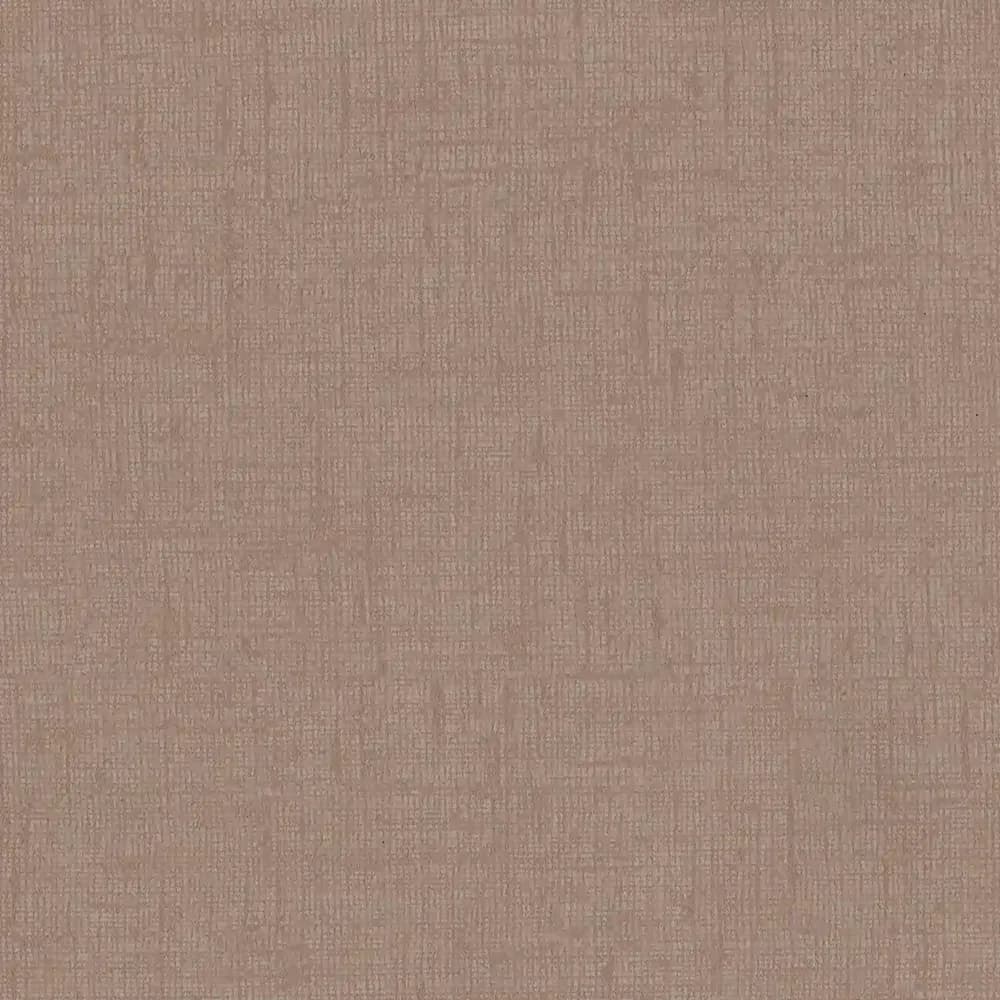
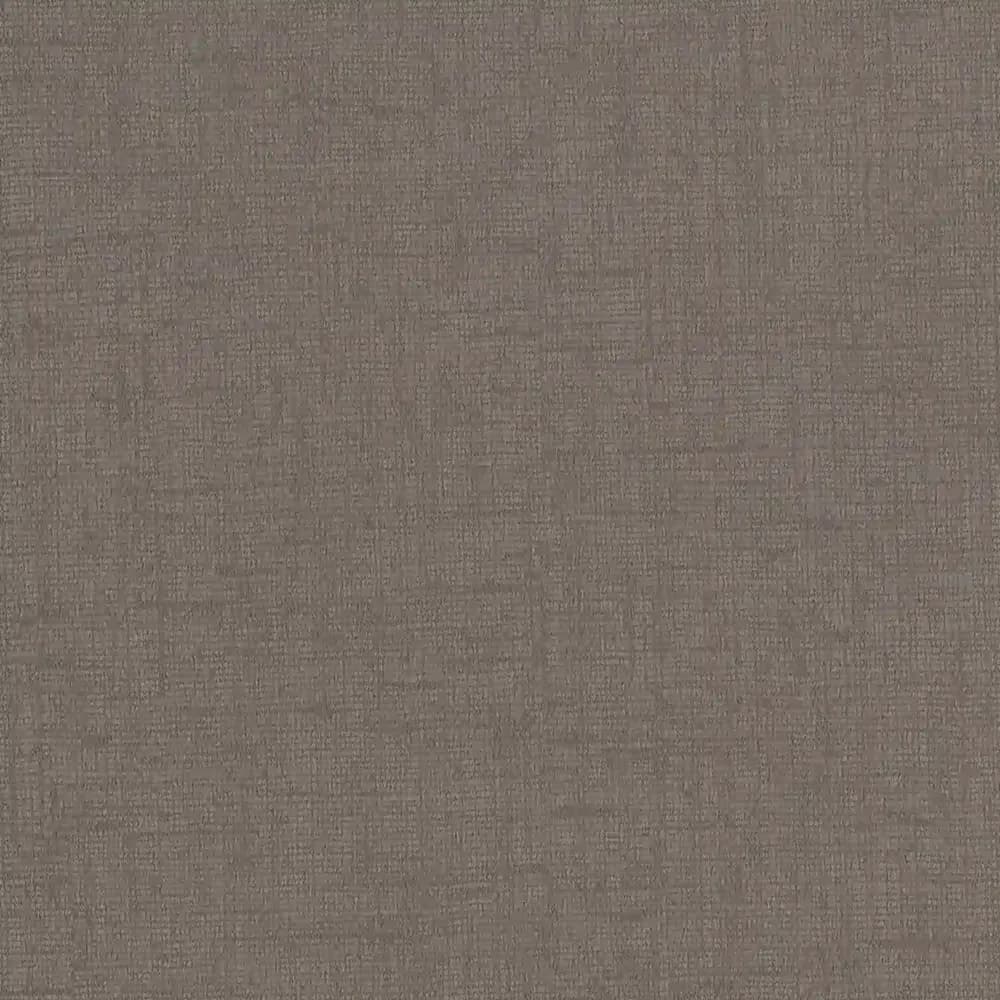
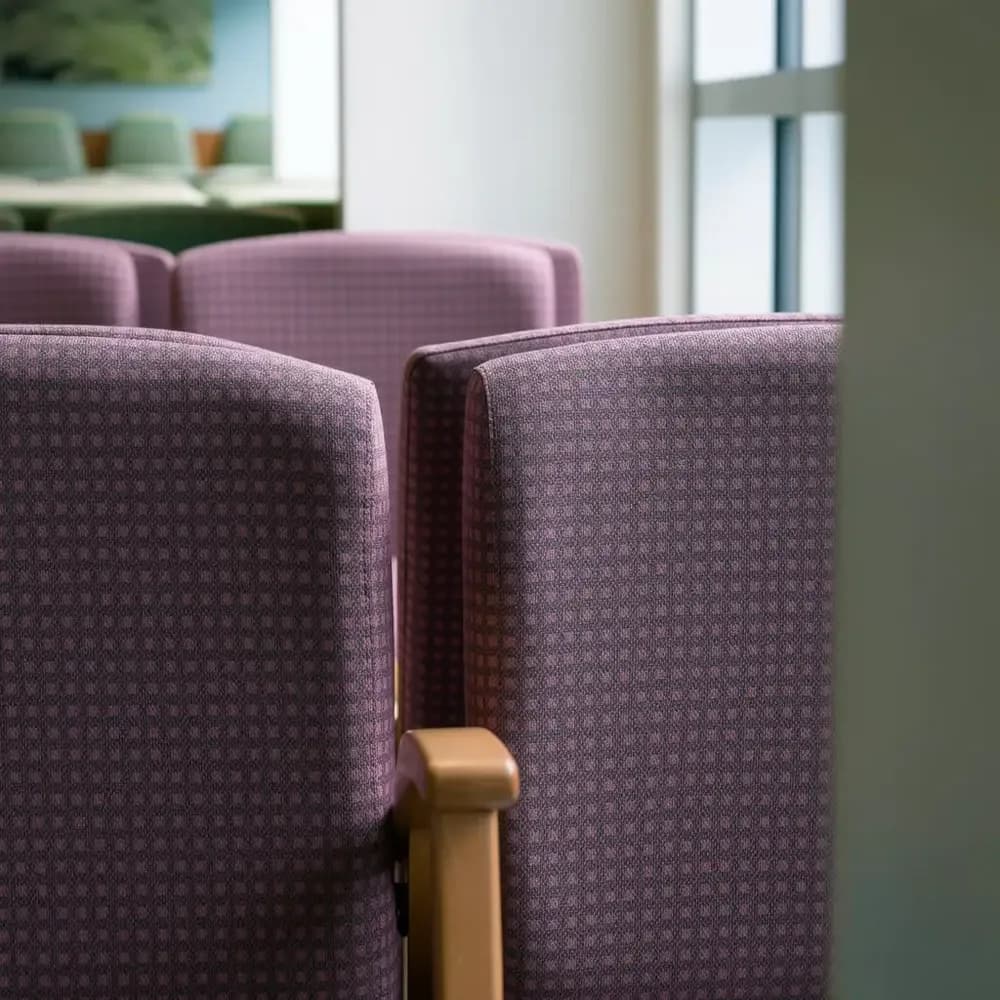
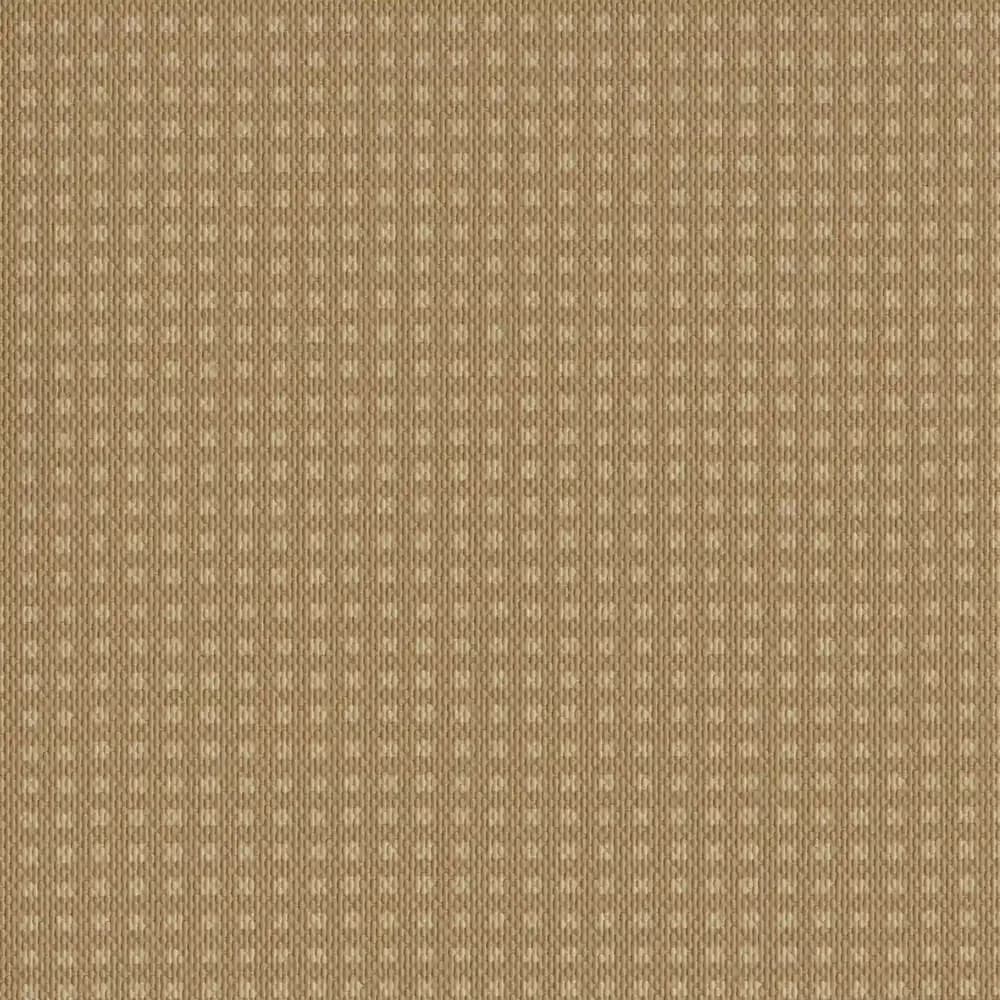
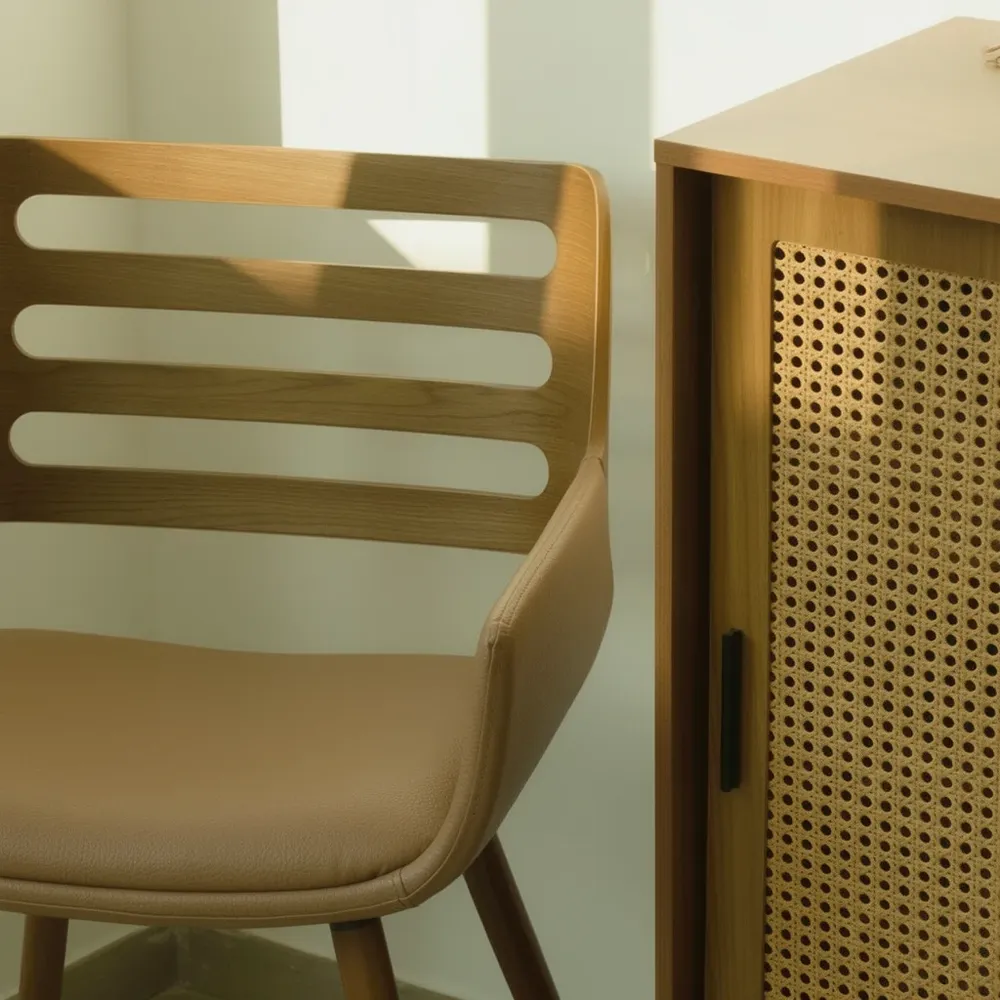
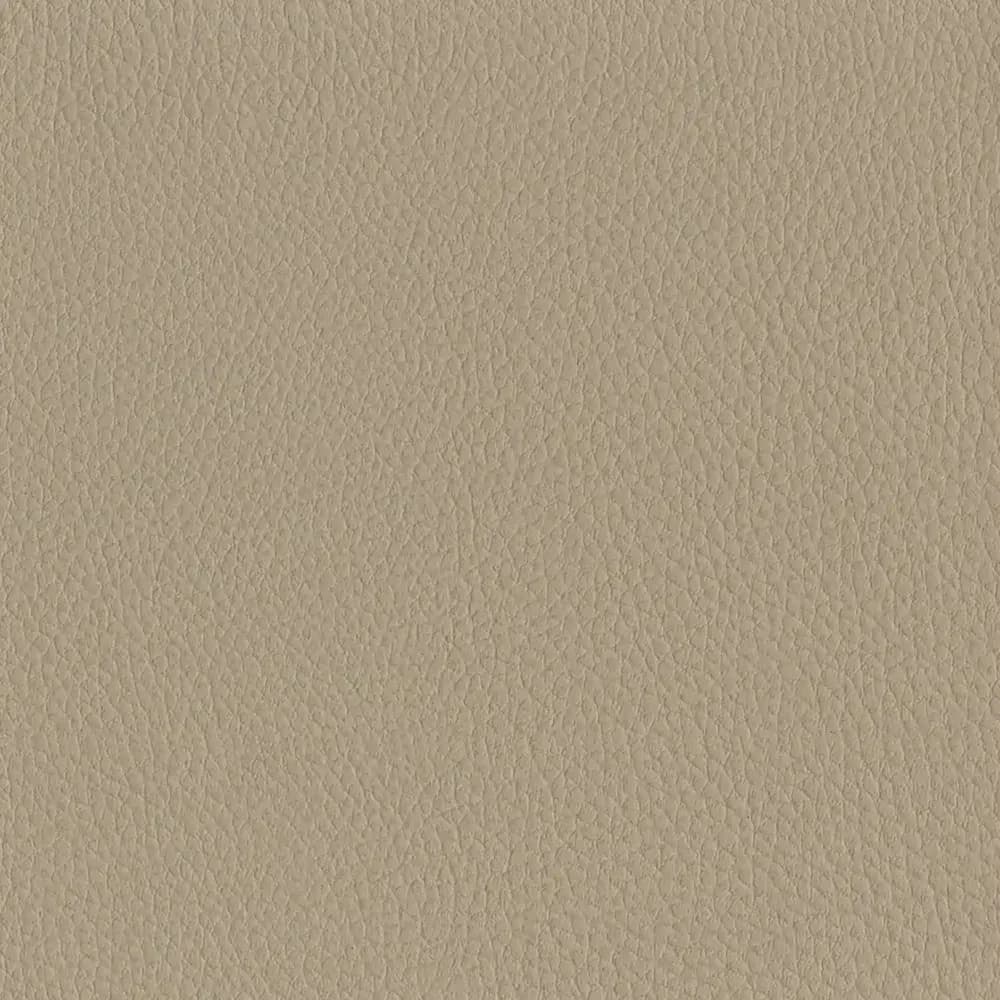
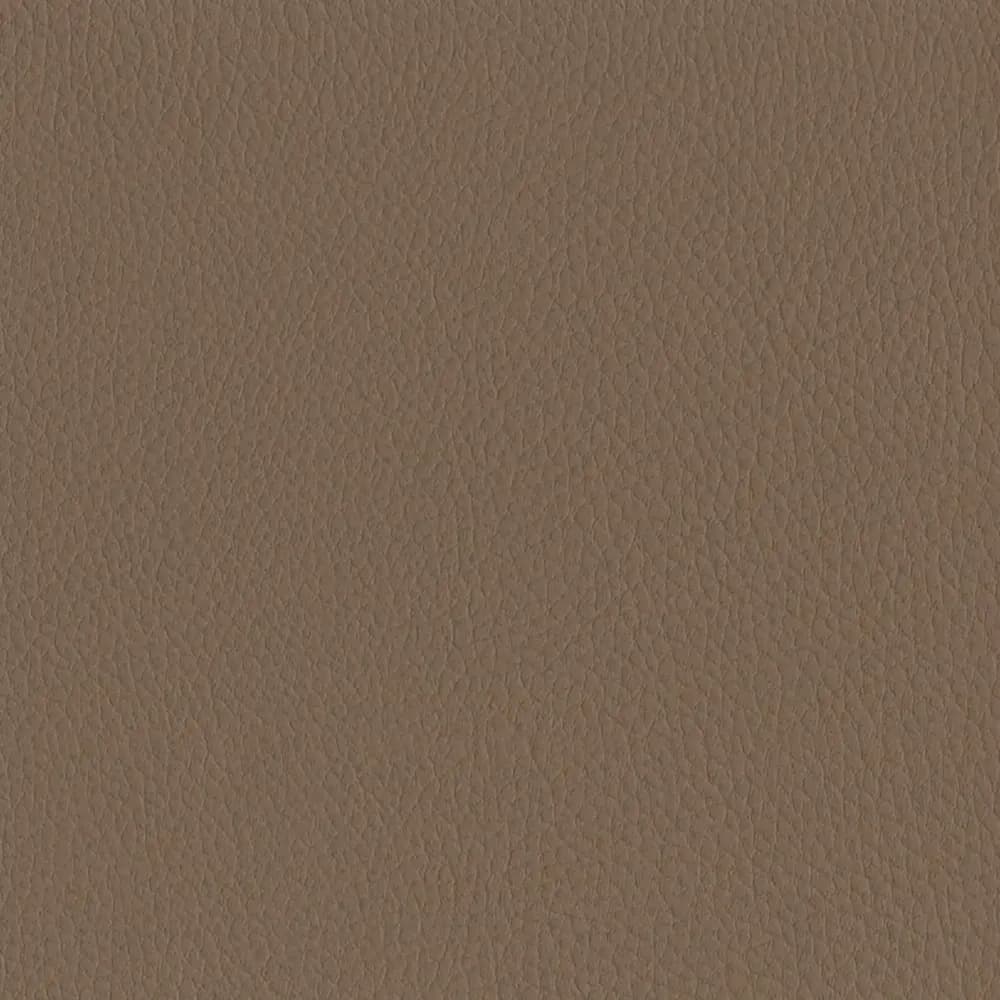
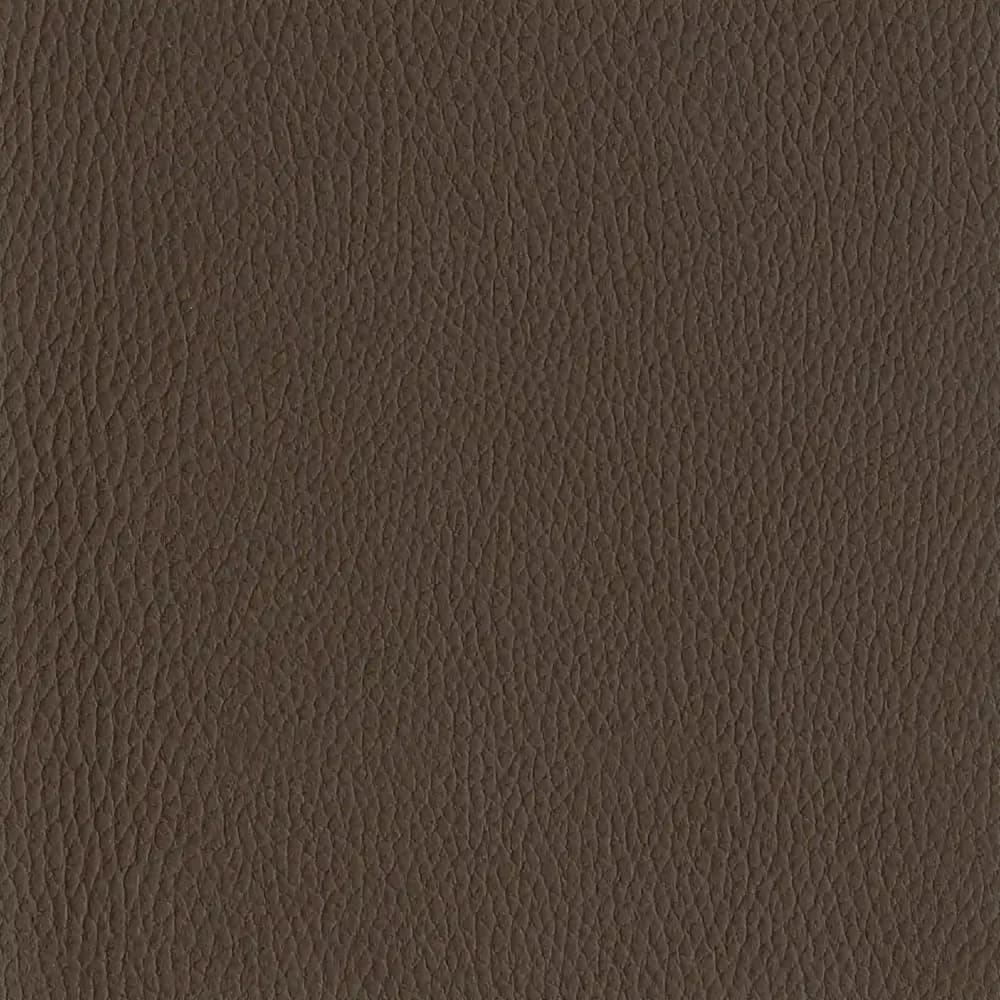
Opening day represents a tiny fraction of an interior's life. The materials are new, the colours are right, the surfaces are untouched and everything looks as it did on the mood board. Then the space starts to be used.
Seats are occupied thousands of times. Surfaces are cleaned, knocked and marked. Daylight affects finishes, corners take more wear than centres, spaces are reconfigured and eventually someone decides what stays and what goes.
This is where longevity becomes a design question. Not simply how durable a material is, but how long it needs to remain useful, what is likely to cause its replacement, and whether the interior has been designed with that in mind.
The objective is not to make everything permanent. It is to stop things being replaced before they need to be.
Table of Contents
- Design for the life of the space
- Why will it be replaced?
- Design for ageing, not perfection
- Maintenance, repair and change
- Where vinyl fits into the conversation
- A different measure of a successful interior
- The Ambla perspective
Design for the life of the space
A long-lasting interior is not necessarily one filled with the toughest materials available. It is one where materials have been chosen with a realistic understanding of the lives they will lead.
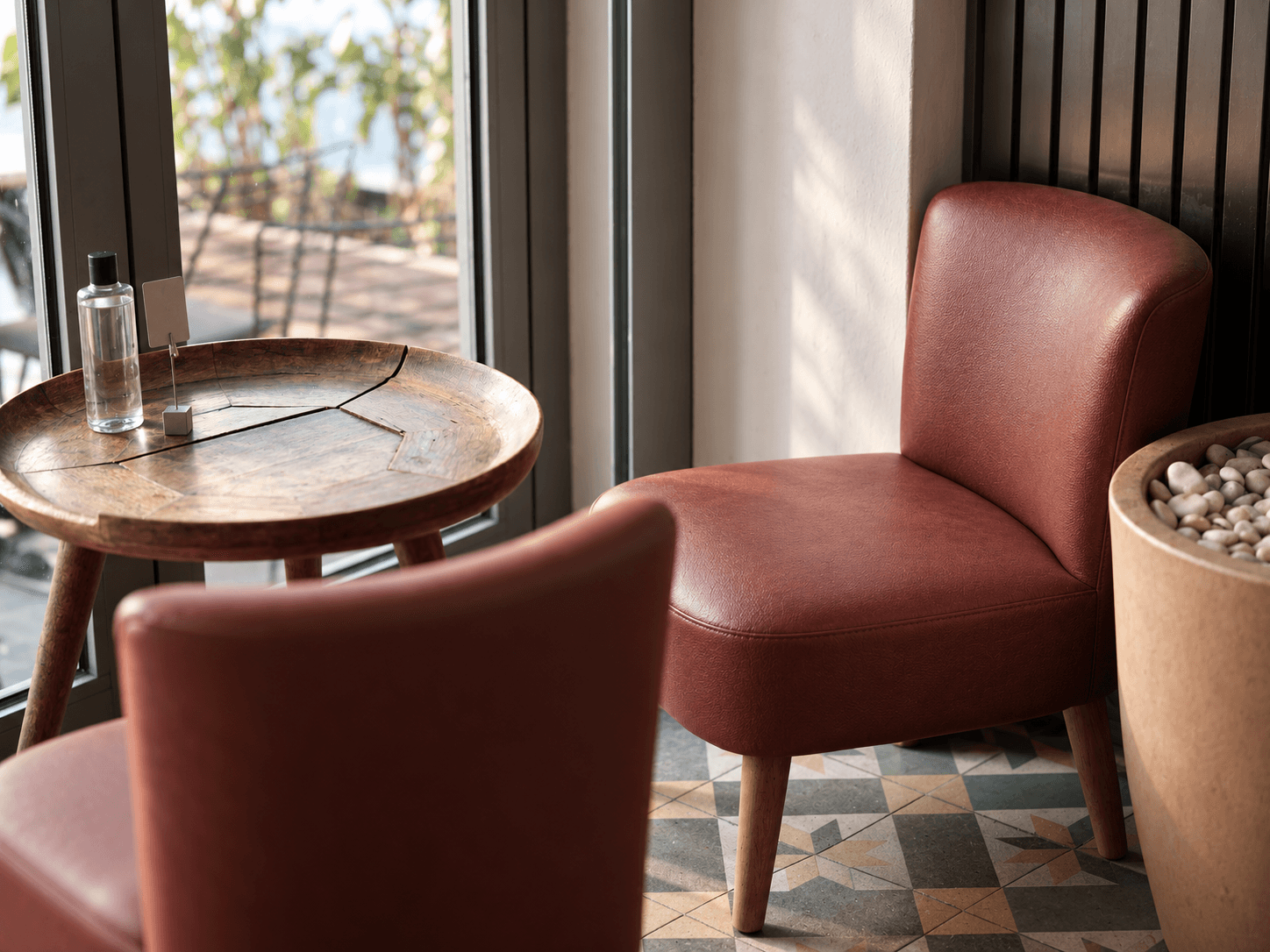
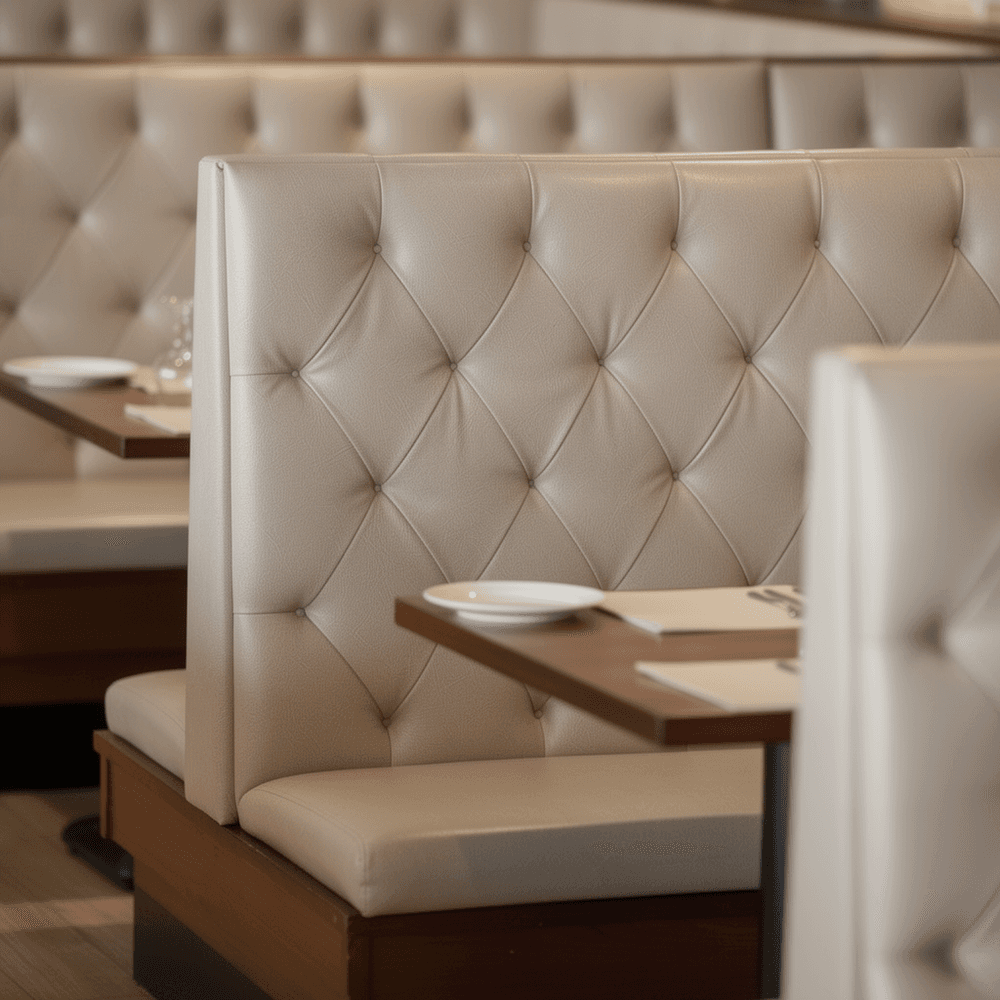
Consider a hotel banquette and an occasional chair. Both may be upholstered, but their working lives are very different. The banquette might experience constant contact, spills, bags catching its edges and frequent cleaning. The occasional chair may spend much of its time untouched.
Across an interior, wear is rarely distributed evenly. Some surfaces are constantly touched, some edges take repeated impact, and some areas are exposed to sunlight, moisture or demanding cleaning routines. Good specification starts by understanding those conditions rather than relying on a broad definition of “heavy use”.
The question is not simply which material is most durable, but whether its expected life matches what the application actually demands.
Abrasion resistance, cleanability, colour stability and maintenance requirements might not appear on a mood board, but they help determine how well that mood board survives contact with reality.
Performance data matters too - abrasion cycles, test standards, warranties and certifications - but no single number can tell us whether a material is right for a particular space. Technical information is most useful when it answers a specific question about the application.
Why will it be replaced?
A useful way to think about longevity is to start with the end. What is most likely to cause a material or component to be replaced?
Usually, the pressure comes from one or more of three places:
- Physical wear - it no longer performs as intended.
- Aesthetic relevance - it still works, but no longer feels right.
- Change - the space has evolved and the original element cannot evolve with it.
Each suggests a different response. Concentrated wear might mean making vulnerable components independently repairable or recoverable. An interior likely to change aesthetically might benefit from longer-lived elements that can work with an evolving palette. Where branding changes frequently, identity can sit within elements that are easier to update rather than being embedded throughout the scheme.
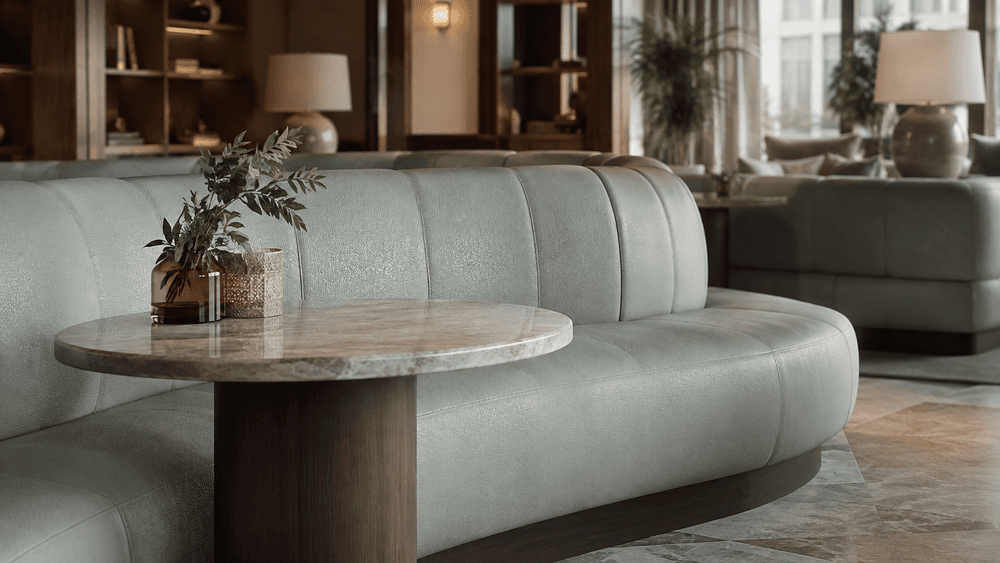
Different parts of a space do not need to share the same lifespan. Built-in seating, flooring and architectural finishes can be disruptive and material-intensive to replace, while artwork, accessories and loose elements can evolve comparatively easily. Designing those layers deliberately allows an interior to change without requiring wholesale replacement.
Design for ageing, not perfection
Physical wear is not the only thing that shortens the life of an interior. Sometimes nothing has failed; the space simply no longer feels relevant. That does not mean long-lasting interiors need to be neutral or conservative - strong colour, texture and distinctive material choices can all have long lives when they form part of a coherent design rather than simply following a trend.
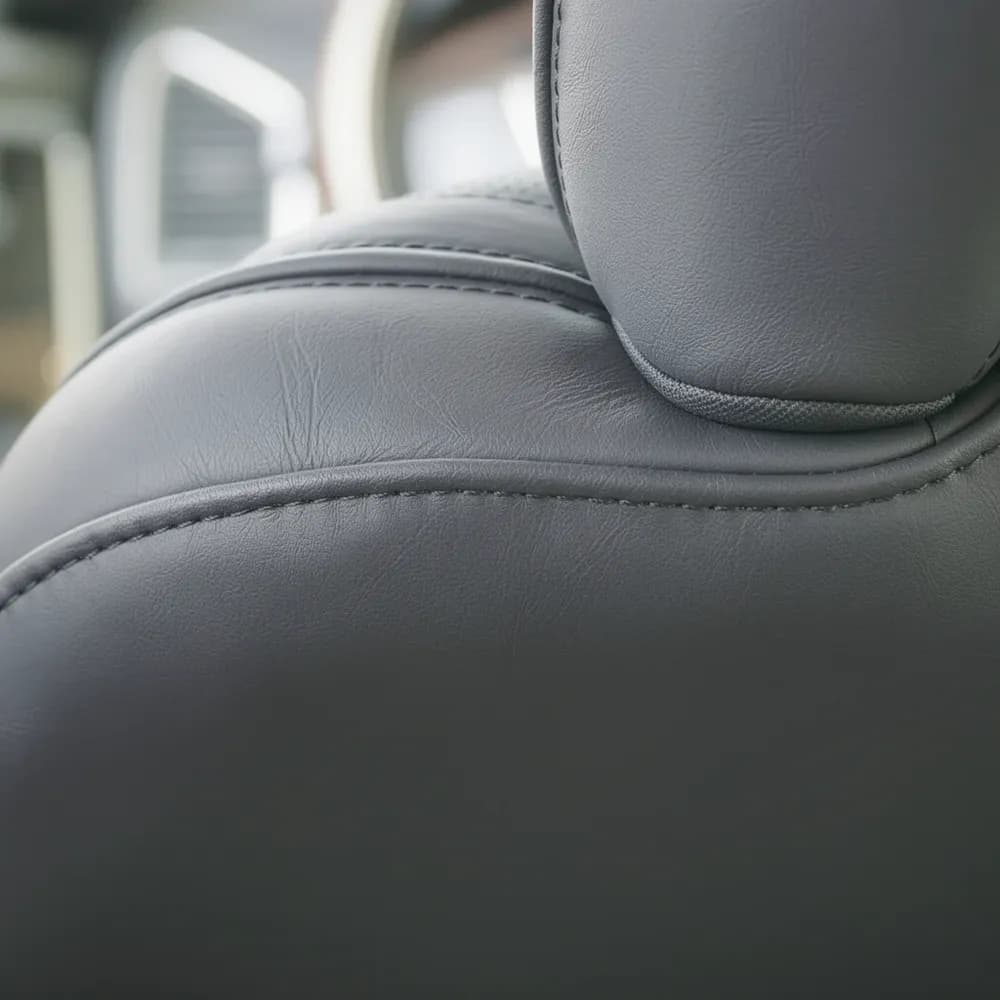
It is worth considering how a surface will look once it is no longer pristine. Some finishes accommodate the visual evidence of everyday use better than others; texture, colour and pattern all influence how marks and wear are perceived.
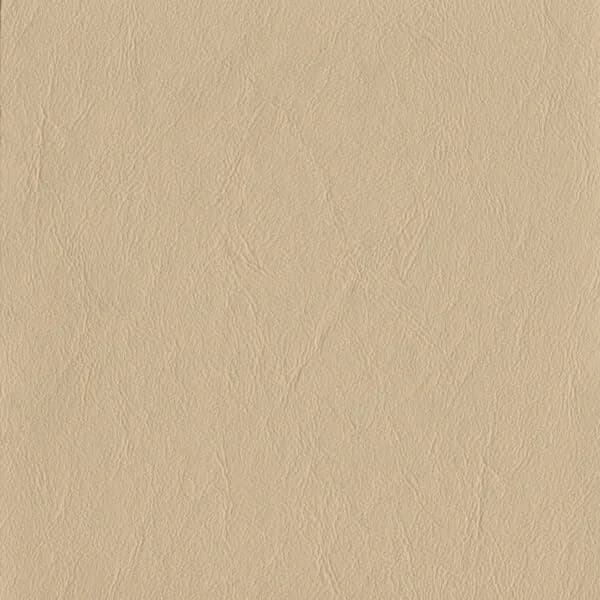
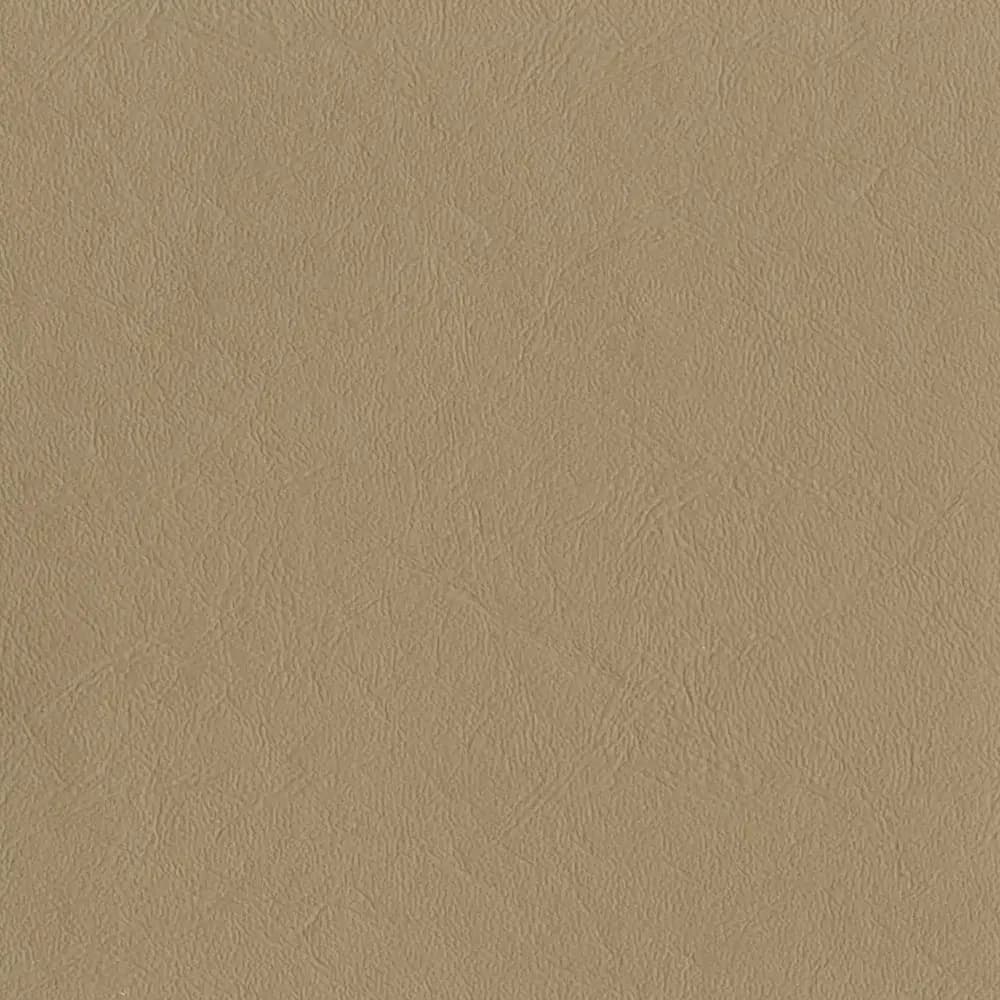
Scale changes things too. A colour that feels restrained on a small sample can behave very differently across several metres of seating, while texture reads differently under changing light and alongside other materials. The swatch is the beginning of the decision, not the end of it: it shows a material before its life has started, and good specification considers what happens afterwards.
Maintenance, repair and change
A material's theoretical lifespan means little if keeping it in good condition is unrealistic. Can it be maintained, in a way that reflects the reality of the environment it's in? Can local damage be repaired without replacing everything around it? And can it remain useful if the brief itself changes - a workplace reorganised, a hotel changing operator, a restaurant refreshing its identity?
These are practical questions, but they have design consequences. If one heavily used section of an upholstered banquette deteriorates, being able to recover that section independently could keep most of the installation in place. And an interior that depends entirely on its original configuration is more vulnerable to premature replacement than one with some independence between its layers.
Durability helps something withstand change. Adaptability helps it participate in change.
Where vinyl fits into the conversation
For Ambla, these questions matter because we manufacture vinyl-coated fabrics. We don't believe the environmental conversation around plastic-based materials is improved by pretending otherwise. Vinyl has environmental impacts, and durability does not make those impacts disappear.
What service life can influence is how frequently a material needs to be manufactured, transported, installed, removed and replaced. That is why our position starts with useful life rather than broad environmental claims.
Longevity is not an answer to every question about material impact. It is one part of a wider conversation about getting meaningful use from the resources already invested in a product - and durability alone cannot achieve that. A material capable of remaining useful may still be removed because the interior cannot adapt, because local damage cannot be repaired, or because the scheme was designed around wholesale renewal in the first place. Performance creates the possibility of longevity; design, maintenance and continued relevance determine whether that possibility is realised.
A different measure of a successful interior
We are used to judging interiors when they are new. Perhaps a more interesting test is how they feel several years later.
They do not need to look untouched. A material can show evidence of use without having failed. A component can be repaired, furniture can move, colours around it can change, and a space can find another purpose. The more meaningful question is whether the original decisions still make sense.
As a manufacturer of materials designed for demanding everyday environments, we are interested in what happens long after specification: how surfaces are actually used, why they are eventually replaced and what helps them remain useful.
Designing for longevity is not about making interiors permanent. It is about making their lifespans more deliberate - choosing materials appropriate to their use, considering how they will age, and creating spaces that can be maintained, repaired and adapted rather than automatically replaced.
A better ambition is to give good materials a fair chance to grow old.