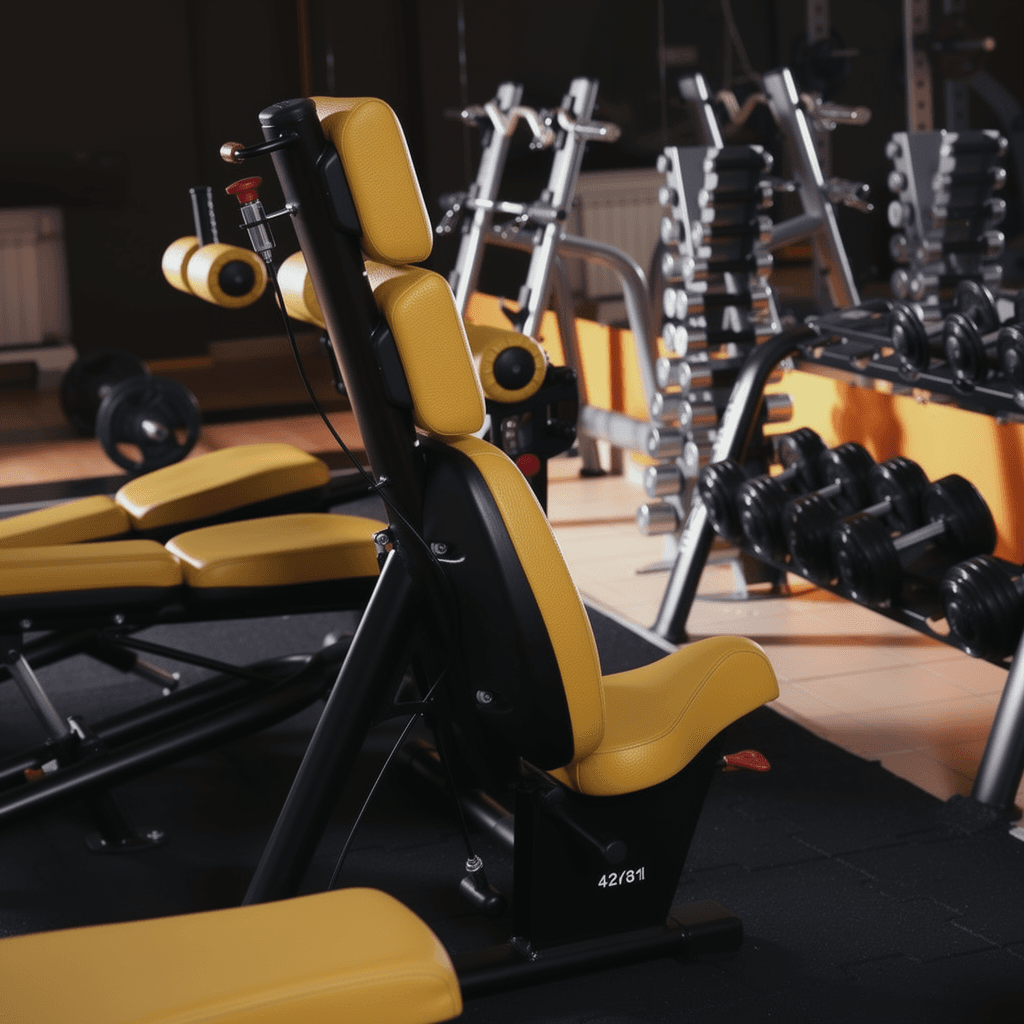
Here, we think about the evolution of health and fitness interiors and how changing expectations create the need for more thoughtful design decisions.
Table of contents
- The changing role of gym interiors
- Where upholstery shapes the experience
- What the material needs to prove
- Performance without visual compromise
- The Ambla perspective
- FAQs
The changing role of gym interiors
Fitness spaces have evolved significantly over the past decade.
While equipment remains central to their purpose, many gyms and health and wellness clubs are now designed with a broader ambition. Boutique studios, hotel gyms, private health clubs and premium leisure facilities increasingly borrow cues from hospitality, creating environments that feel welcoming, comfortable and thoughtfully considered from the moment someone arrives.
The experience no longer begins when a workout starts. It begins at reception, continues through changing areas and social spaces, and extends into recovery zones where people pause, recharge and spend time away from the training floor.
As a result, interior materials play a more important role than ever before.
Hard surfaces remain essential in environments built around movement and regular cleaning, but softer finishes help create balance. Upholstery introduces comfort, visual warmth and a sense of refinement that can soften highly functional spaces without compromising practicality.
This shift has changed expectations. Materials are no longer selected solely for their ability to withstand use. They are increasingly expected to contribute to the atmosphere and character of the environment itself.
Where upholstery shapes the experience
Upholstery often appears in more places than people initially realise.
Reception seating, changing room benches, consultation areas, recovery lounges, spa environments, waiting spaces and member lounges all rely on materials that support both function and comfort.
Each space serves a different purpose, but together they contribute to a consistent experience.
A reception area establishes a first impression. A changing room should feel clean, reassuring and well maintained. A recovery space benefits from a noticeably softer tone than the activity-focused areas surrounding it. In hospitality-inspired fitness environments, these distinctions become increasingly important.
The material palette helps define those transitions.
Texture can introduce depth without adding visual noise. Colour can support a sense of calm or energy depending on the wider scheme. Surface finishes can influence how welcoming, premium or relaxed a space feels.
In many contemporary fitness environments, upholstery has become part of the interior language rather than simply a practical finishing material.
What the material needs to prove
Few interior environments place as many competing demands on materials as fitness spaces.
Upholstered surfaces may be exposed to repeated contact, moisture, changing temperatures and rigorous cleaning routines throughout the day. At the same time, they are expected to retain their appearance and continue contributing positively to the overall environment.
This is where material selection becomes particularly important.
Performance should not be measured only at the point of installation. The true test comes months and years later, when the space remains in regular use and expectations around appearance, hygiene and comfort have not changed.
Cleanability is an important consideration, but so too is appearance retention. A material that quickly looks tired, marked or worn can affect perceptions of the entire environment, regardless of how well the space is maintained.
Visual cleanliness matters.
People often form opinions about quality and care long before they consciously evaluate a space. Surfaces that remain composed, consistent and well presented help reinforce confidence in the environment around them.
For this reason, material performance is often as much about perception as specification.
Performance without visual compromise
The most successful fitness interiors create contrast.
Training zones are naturally active, energetic and functional, but surrounding spaces often serve a different purpose. Reception lounges, wellness areas and recovery environments benefit from materials that feel softer and more considered without becoming fragile or difficult to maintain.
This is where texture becomes particularly valuable.
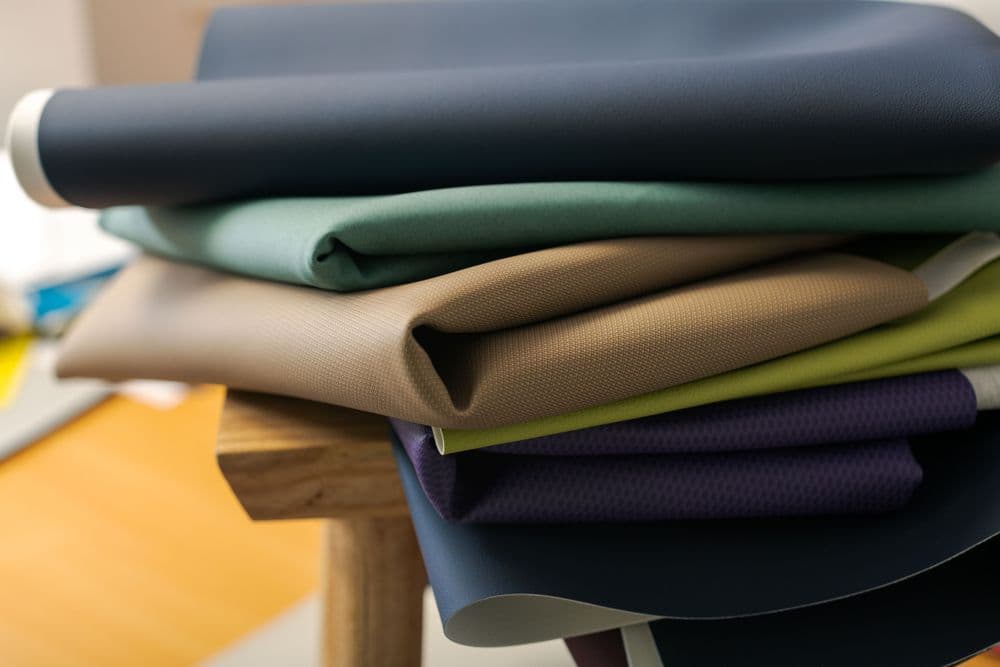
Subtle grains, textile-inspired finishes and carefully considered colour palettes can introduce warmth and character while supporting the practical demands of a high-use environment. These details help prevent spaces from feeling overly clinical or institutional while still meeting the expectations placed upon them.
Material selection also influences how a space ages.
Some surfaces become visually dated or worn quickly, requiring frequent replacement or refurbishment. Others retain their character over time, supporting a more consistent interior experience and reducing disruption caused by premature refurbishment.
The goal is rarely to create a material-led interior.
Instead, the most effective materials work quietly in the background, supporting the design intent, contributing to comfort and maintaining their appearance through years of everyday use.
When performance and aesthetics are considered together, upholstery becomes more than a practical requirement. It becomes part of what makes a space feel complete.
The Ambla perspective
At Ambla, we manufacture high-performance coated fabrics in Britain for environments where durability, practicality and design quality all matter.
Fitness, leisure and wellness spaces place unique demands on materials. Upholstery must withstand regular use, support cleaning routines and maintain its appearance over time, while also contributing positively to the overall atmosphere of the space.
Our materials are designed with this balance in mind.
By combining durability, cleanability, colour and texture, Ambla helps create interiors that feel considered as well as practical. Designers and specifiers can introduce visual warmth, comfort and character without losing sight of the demands placed upon high-use environments.
Produced in Lancashire and supported by decades of manufacturing expertise, Ambla materials are developed to perform consistently in real-world settings where longevity matters.
Because a successful gym interior should support far more than the workout itself.
FAQs
What is gym upholstery fabric?
Gym upholstery fabric is used on seating and upholstered surfaces throughout gyms, fitness studios, leisure centres and wellness environments. It should be selected for both visual appeal and long-term practical performance.
Where is upholstery used in gym interiors?
Upholstery can be found in reception areas, changing rooms, consultation spaces, recovery lounges, spa environments, waiting areas and member facilities.
What should a performance fabric offer in fitness interiors?
A performance fabric should combine durability, cleanability, appearance retention, comfort and suitability for the environment in which it is being used.
Why is appearance retention important?
Materials that maintain their appearance over time help support positive perceptions of quality, cleanliness and care throughout the interior.
How does upholstery contribute to the overall experience?
Upholstery can introduce texture, comfort and visual warmth while supporting a broader interior design scheme. It helps shape how people experience a space before, during and after exercise.
Where does Ambla fit within fitness and leisure environments?
Ambla provides British-made coated fabrics designed to balance durability, cleanability, colour, texture and long-term performance across a range of high-use interiors.
-1000x605.jpg&w=3840&q=75)