Why marine upholstery fabrics need specialised compliance
Upholstery on boats and ferries has to withstand salt, moisture, sunlight, and heavy wear. These conditions place significant stress on materials.
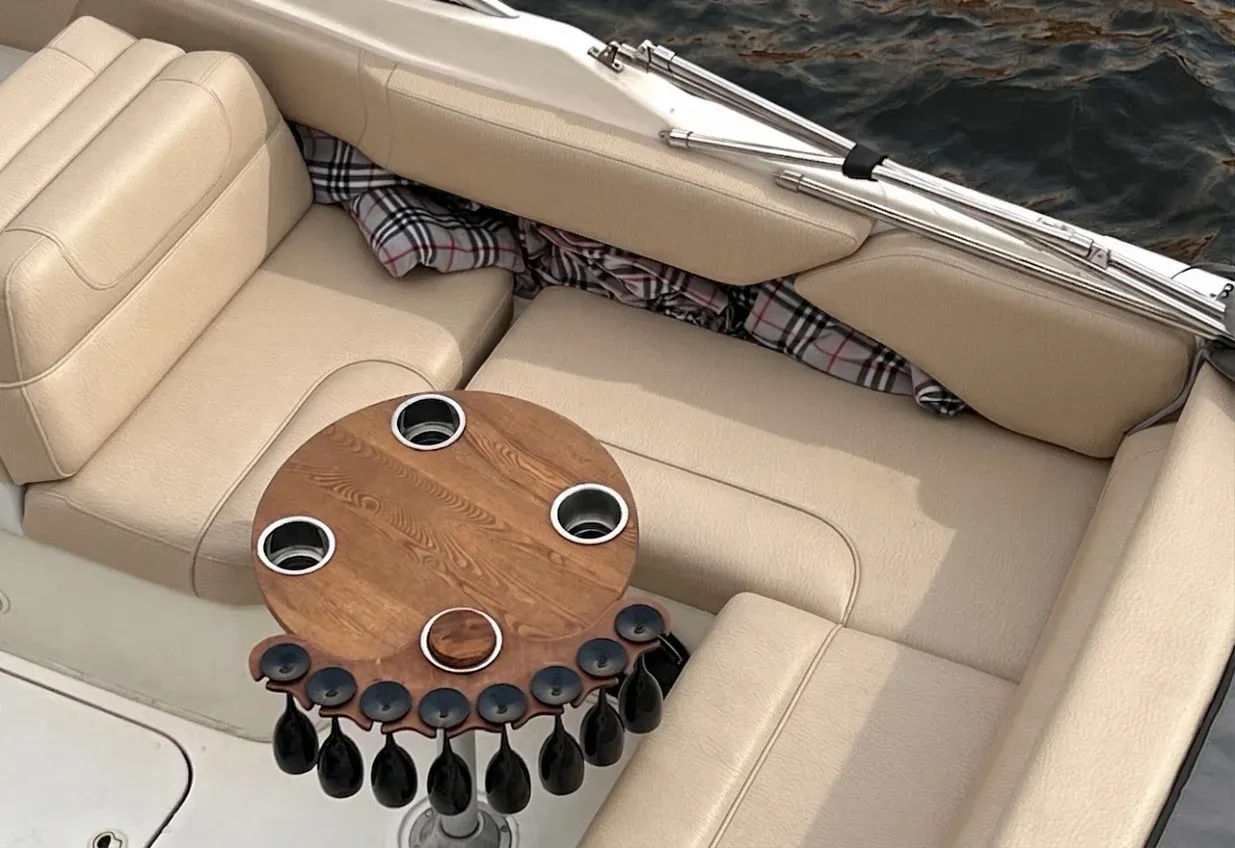
Upholstery on boats and ferries has to withstand salt, moisture, sunlight, and heavy wear. These conditions place significant stress on materials.
That’s why marine upholstery fabric isn’t just about looks or comfort. It needs to resist saltwater, withstand strong sunlight, and meet fire safety requirements.
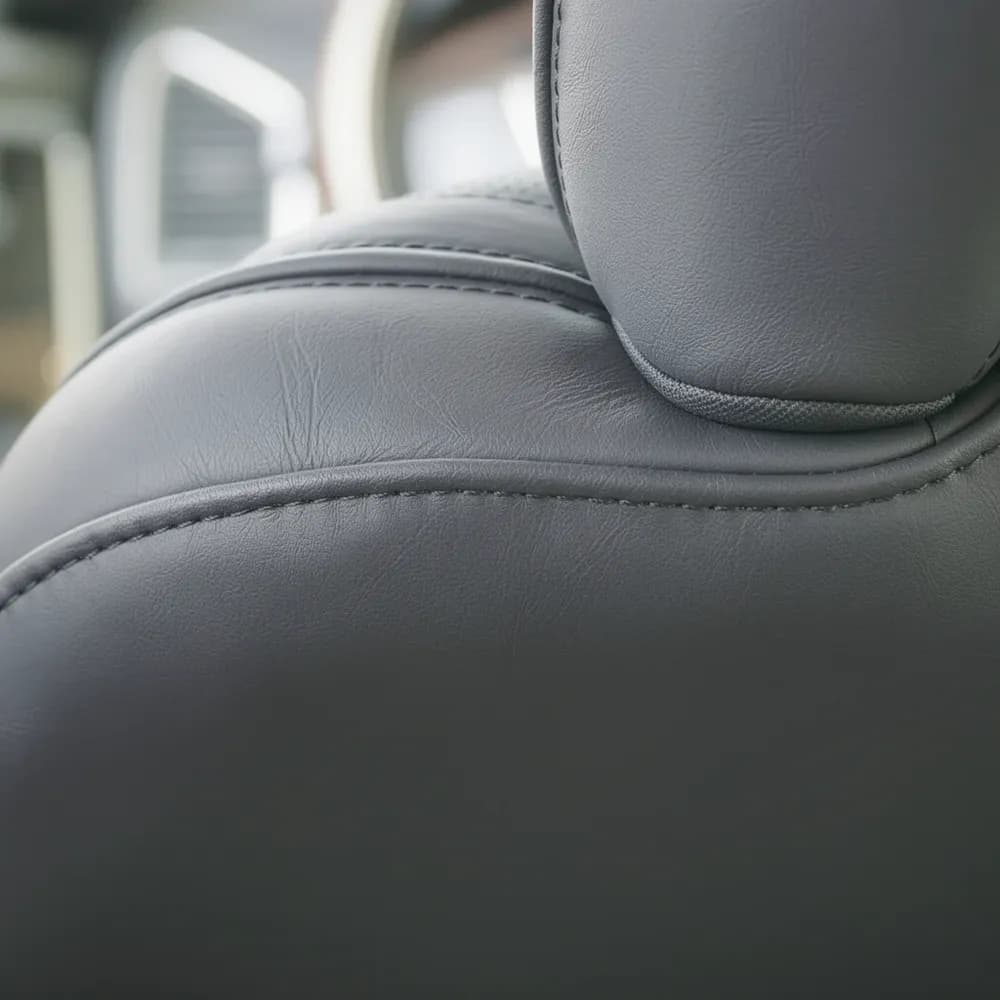
Vinyl-coated fabrics are widely used in marine seating because they’re tough and easy to clean. But it’s important to check how a fabric performs at sea and if it meets the right certifications.
Understanding these requirements helps ensure materials perform reliably in marine environments.
Salt resistance: Handling a corrosive environment
Saltwater is among the most challenging environments for upholstery materials.
Salt can build up on surfaces and get into seams, which wears down fabrics over time. Marine fabrics need to handle both salt and regular cleaning.
Vinyl fabrics for marine use often have special coatings to stop salt damage and keep the surface from breaking down or going brittle.
Salt resistance is particularly important for seating used on:
- Leisure boats
- Commercial vessels
- Ferry seating areas
- Marina environments
In these conditions, fabrics are exposed to salt spray, seawater, and frequent cleaning.
If you’re choosing marine upholstery fabric, salt resistance is key for keeping seats looking good and working well.
UV stability: Protecting materials from constant exposure
Sunlight presents another significant challenge for marine upholstery. Seats on open decks or leisure craft are often exposed to prolonged sunlight. UV rays can fade colours, crack surfaces, and make materials stiff.
That’s why marine vinyl often includes UV stabilisers to keep colours bright and the material in good shape.
UV stability plays an important role in:
- Maintaining consistent colour across seating areas
- Preventing surface degradation
- Extending the usable life of the upholstery
Choosing fabrics with good UV resistance means your seats will keep looking and working well, even after extended time open to the elements.
Fire ratings: Safety requirements in marine environments
Fire safety is also a must when picking marine upholstery. Many boats must meet fire safety rules, so upholstery often needs to pass specific fire tests.
Testing associated with marine vinyl certification may include requirements for flame spread, heat release, or ignition resistance, depending on the vessel type and the regulatory framework.
Fire-rated fabrics add another layer of safety, whether it’s for commercial boats or leisure craft.
If you’re working on marine seating, make sure you know the fire rating required for your project.
Long lifespan: Why durability matters at sea
Marine upholstery has to handle more than just the weather. Seats get used a lot and need to keep performing day after day.
Durability in marine upholstery fabrics typically depends on several factors:
- Resistance to abrasion
- Surface protection against cleaning chemicals
- Structural stability within the backing material
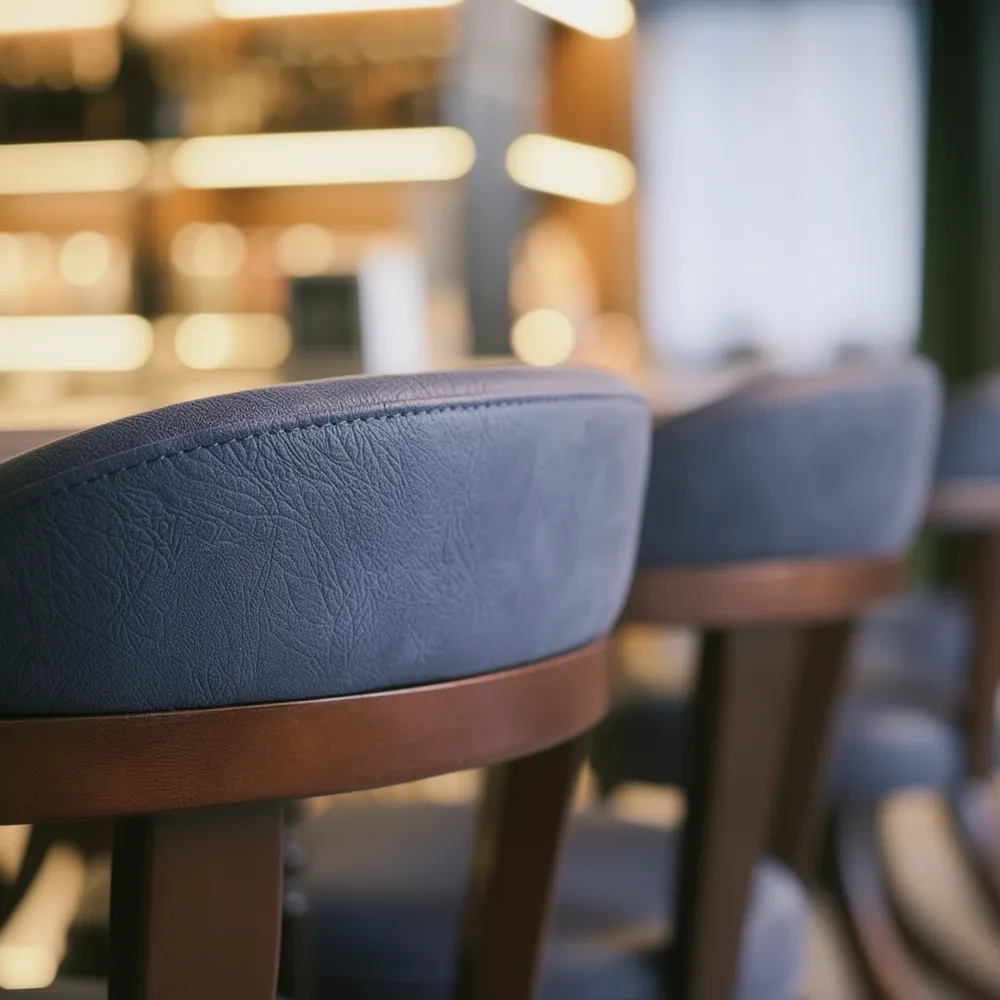
Vinyl-coated fabrics are commonly used for marine seating because they’re tough and easy to wipe clean.
Choosing long-lasting materials means you won’t have to replace or fix seats as often. That’s important, since changing upholstery on boats can take time and cause delays.
When you’re picking marine upholstery fabric, durability matters just as much as looks or meeting the rules.
Choosing marine upholstery fabric
Choosing marine upholstery means weighing up a few key factors.
Besides colour, texture, and design, you’ll want materials that offer:
- Resistance to saltwater exposure
- Reliable UV stability
- Appropriate fire safety performance
- Long-term durability under heavy use
These features help your marine seating stay strong and look good for years.
When you choose materials built for tough conditions, you can trust your seating will stand up to life at sea.
FAQs
What is marine upholstery fabric?
Marine upholstery fabric is a material designed specifically for seating used on boats, ferries, and marine leisure craft. These fabrics are typically engineered to withstand saltwater exposure, UV radiation, and frequent cleaning.
What is marine vinyl certification?
Marine vinyl certification refers to testing or compliance processes that confirm a vinyl upholstery material meets specific performance or safety requirements for marine environments.
Why is UV resistance important for marine upholstery?
Marine seating is often exposed to sunlight for extended periods. UV-resistant fabrics help prevent fading, cracking, and deterioration caused by prolonged sun exposure.
Can standard upholstery fabrics be used in marine environments?
Standard upholstery fabrics may not provide the salt resistance, UV stability or durability needed for marine conditions. Marine-grade materials are typically designed to withstand these specific challenges.
How long should marine upholstery fabric last?
The lifespan of marine upholstery depends on the material, environmental exposure, and maintenance practices. Durable vinyl upholstery fabrics designed for marine use are typically intended to perform reliably over many years of regular use.
Related Products
A considered selection of materials connected to the themes, surfaces or applications explored in this piece.