















Insights
British-Made upholstery fabric: Does it actually make a difference?
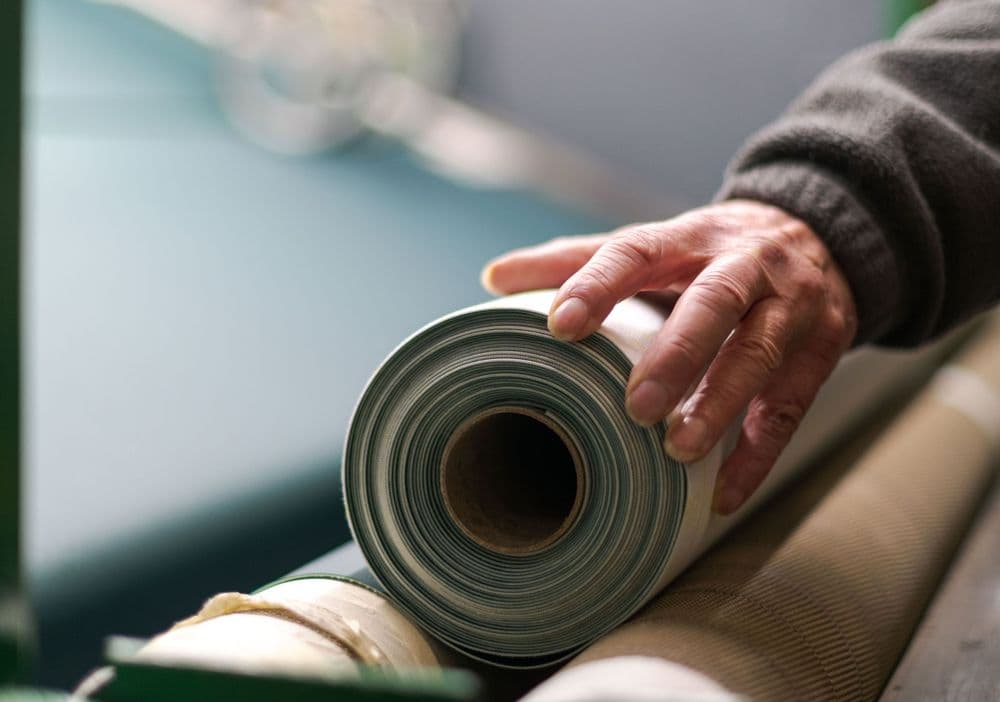
The term ‘British-made upholstery fabric’ is often used as a simple label, but it actually means the material is designed, manufactured, and quality-checked here in the UK.
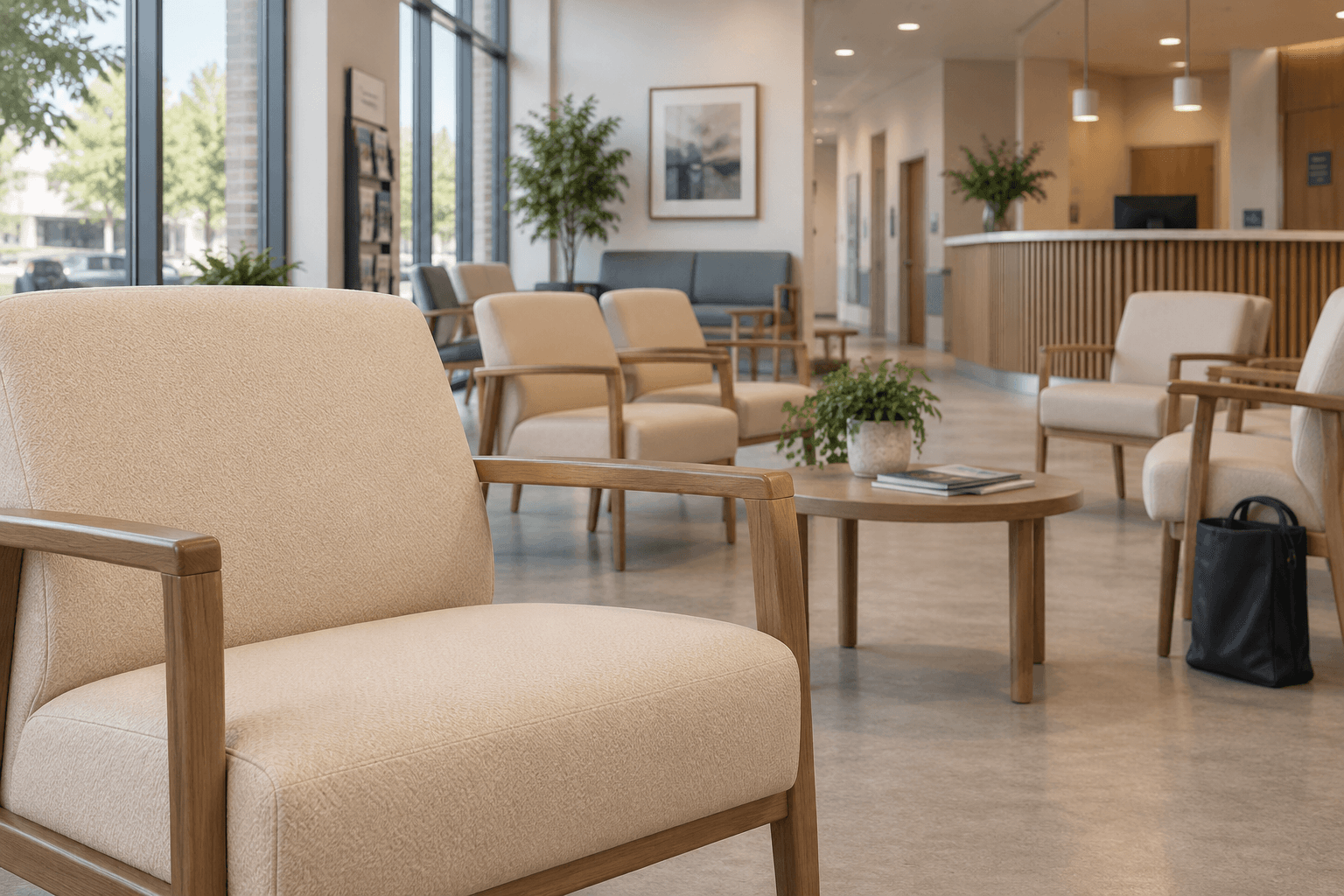
Commercial interiors are built for constant use. Whether it's a healthcare waiting area, hotel lounge, workplace breakout space or transport interior, upholstery is expected to cope with daily wear while continuing to define the look and feel of the space.
The right material needs to do more than simply look good on a sample card. It should retain its appearance, withstand regular cleaning and perform consistently throughout the life of the interior.
A sample can help you choose the right colour and finish, but it can't show how a material will age. That's where the real test begins, once the space is in daily use
Table of Contents
The first impression of an interior is often shaped by colour, texture and finish. Upholstery contributes significantly to how a space feels, influencing comfort, atmosphere and overall perception.
However, commercial interiors are designed to be lived in, not simply admired.
Daily use places continuous demands on upholstered surfaces. Seating is occupied hundreds or even thousands of times, cleaning regimes become routine, and environmental conditions vary throughout the year. Materials that initially look impressive but struggle under these conditions can quickly undermine the quality of the entire space.
Choosing upholstery is therefore as much about long-term confidence as immediate visual impact.
Put simply: performance isn't defined by a single technical specification. Instead, it's the combination of characteristics that allow a material to continue looking and functioning as intended.
Important considerations include:
These qualities work together to help upholstery retain both its appearance and functionality throughout years of regular use.
For commercial projects, consistency often matters as much as outright durability. A reception area or hospitality venue should continue presenting the same professional appearance months and years after installation, avoiding unnecessary disruption through premature repair or replacement.
Material samples remain an essential part of the specification process, but they only tell part of the story.
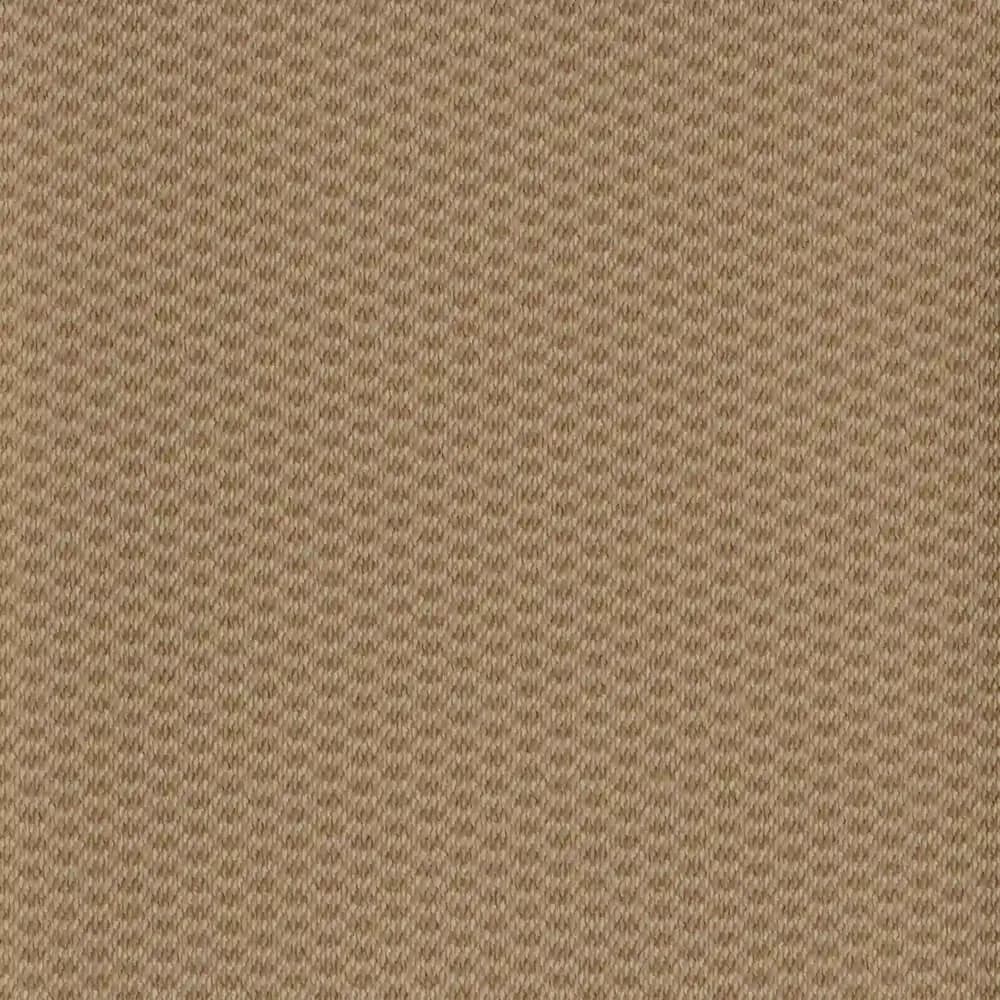
A swatch allows designers to assess colour, grain and texture, yet it cannot demonstrate how a material will respond to repeated cleaning, constant contact or changing environmental conditions.
This is where technical performance becomes equally important.
Understanding how upholstery behaves once installed provides greater confidence throughout the specification process. Rather than choosing between appearance and performance, the strongest materials allow both to work together.
Looking beyond the sample also means considering details that are often overlooked during early design stages, including surface texture, maintenance requirements and long-term appearance retention.
The result is an interior that remains true to the original design intent rather than gradually drifting away from it as materials age.
Every commercial environment presents a different set of challenges.
A boutique hotel lounge experiences upholstery differently from a hospital waiting area. A workplace collaboration space sees different patterns of use compared with passenger transport or a sports venue. Although each requires durable materials, the demands placed upon them are rarely identical.
Before selecting upholstery, it's worth considering several practical questions:
Answering these questions early helps identify materials that are suited to the realities of the space rather than simply its visual concept.
When upholstery is specified with the environment in mind, it becomes an integral part of the interior's long-term performance rather than a future maintenance concern.
Technical performance should never come at the expense of user experience.
The materials people interact with everyday influence how a space feels just as much as its lighting, layout or furnishings. The texture of a restaurant booth, the flexibility of healthcare seating or the tactile quality of a workplace lounge all contribute to the overall experience.
Surface feel, softness and visual warmth play an important role alongside measurable performance characteristics.
The most successful interiors achieve a careful balance, combining resilient materials with finishes that support the atmosphere designers set out to create.
Ultimately, upholstery should enhance the experience of a space while quietly delivering the durability required behind the scenes.
The specification process doesn't end when furniture arrives on site.
Long-term performance depends on how successfully a material continues to support the environment throughout its working life. Factors such as maintenance, appearance retention and resistance to everyday wear all influence whether an interior continues to perform as intended.
Choosing upholstery with longevity in mind can help reduce unnecessary replacement, minimise disruption and preserve the integrity of the original design.
When materials continue to perform year after year, they contribute not only to operational efficiency but also to a more consistent and enduring interior environment.
At Ambla, we believe confidence in a material comes from understanding how it performs in everyday use, not simply how it looks on a sample card.
As a British manufacturer of high-performance coated fabrics, we design materials to balance durability, cleanability and design flexibility across demanding commercial environments. Every collection is developed with the realities of specification, installation and long-term use in mind.
Rather than chasing short-term trends, our focus remains on creating materials that retain their quality through years of service. For us, responsible material choices begin with longevity. Materials that perform consistently and remain in use for longer help preserve design intent while reducing the need for unnecessary replacement.
Durability, cleanability, comfort, appearance and long-term performance should all be considered. The right material depends on how the space will be used, how often it will be cleaned and the expected lifespan of the installation.
Commercial upholstery experiences repeated daily use. Durability, cleanability, comfort, appearance and long-term performance should all be considered. The right material depends on how the space will be used, how frequently it will be cleaned, whether it will be exposed to sunlight or moisture, and the expected service life of the installation.
Yes. Successful commercial interiors balance technical suitability with thoughtful design. Colour, texture and finish shape how the space feels, while the material’s performance helps preserve that design intent through everyday use.
The way a material performs after installation has a significant impact on the lifespan of an interior. Cleaning requirements, everyday wear and long-term maintenance all influence how successfully the space continues to perform.
Upholstery contributes to how long furniture retains its appearance and remains appropriate for use. Selecting a material suited to the environment and maintaining it correctly can help reduce premature replacement, limit disruption and preserve the original design intent for longer.
Suitability depends on the environment and the demands placed on the material. Abrasion resistance, cleanability, flexibility, colour stability and surface durability may all be relevant, but they should be considered alongside the intended use, cleaning regime, furniture construction and any project-specific requirements.
A considered selection of materials connected to the themes, surfaces or applications explored in this piece.
Thoughtful perspectives on materials, environments and the standards that define them. Where material knowledge meets real-world application across the sectors we serve.
The term ‘British-made upholstery fabric’ is often used as a simple label, but it actually means the material is designed, manufactured, and quality-checked here in the UK.
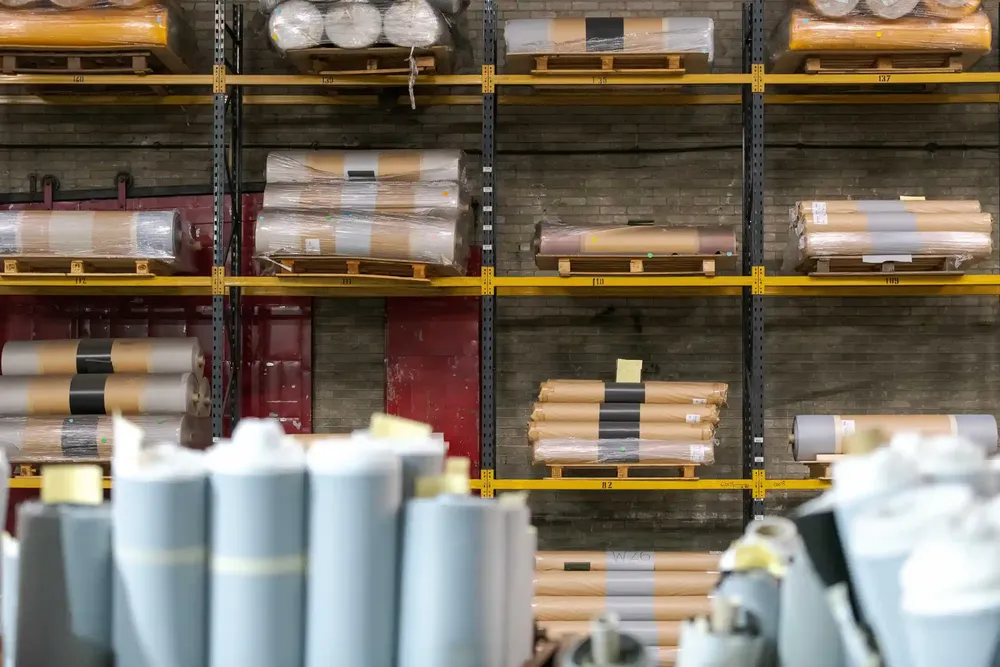
Vinyl-coated fabrics are widely used across sectors such as healthcare, hospitality, and transport because they are durable and easy to clean. But not all coated fabrics handle installation the same way.

Healthcare interiors present a complex design challenge; spaces must meet strict hygiene and safety standards while still supporting patient comfort and dignity.