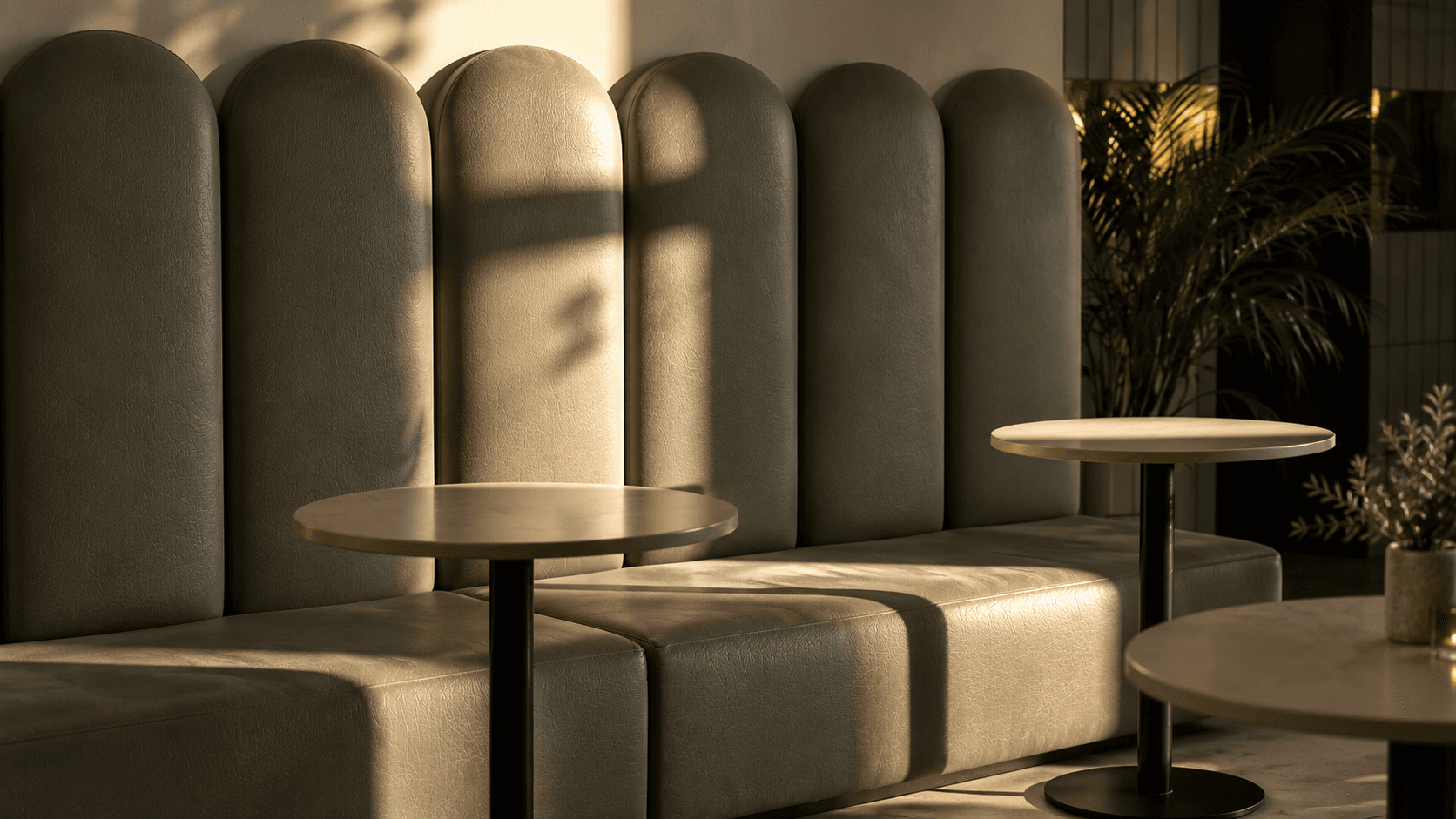
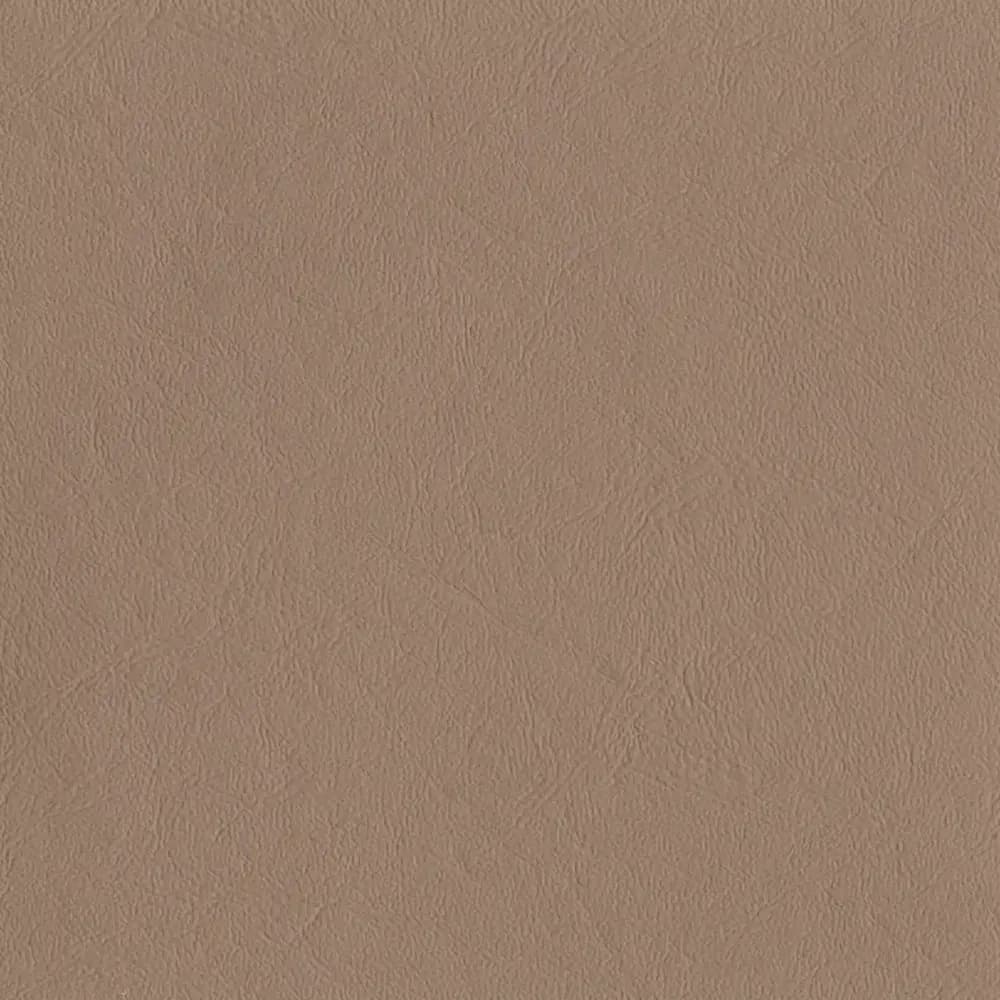
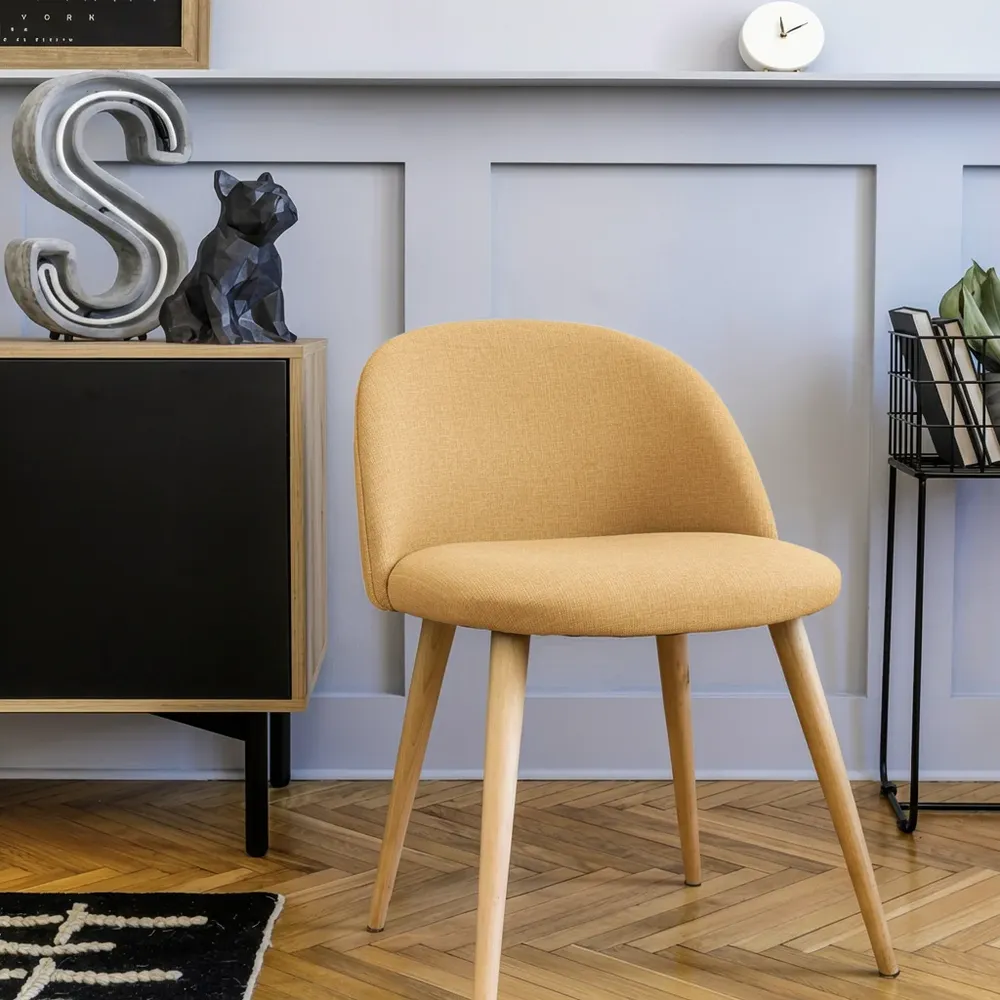
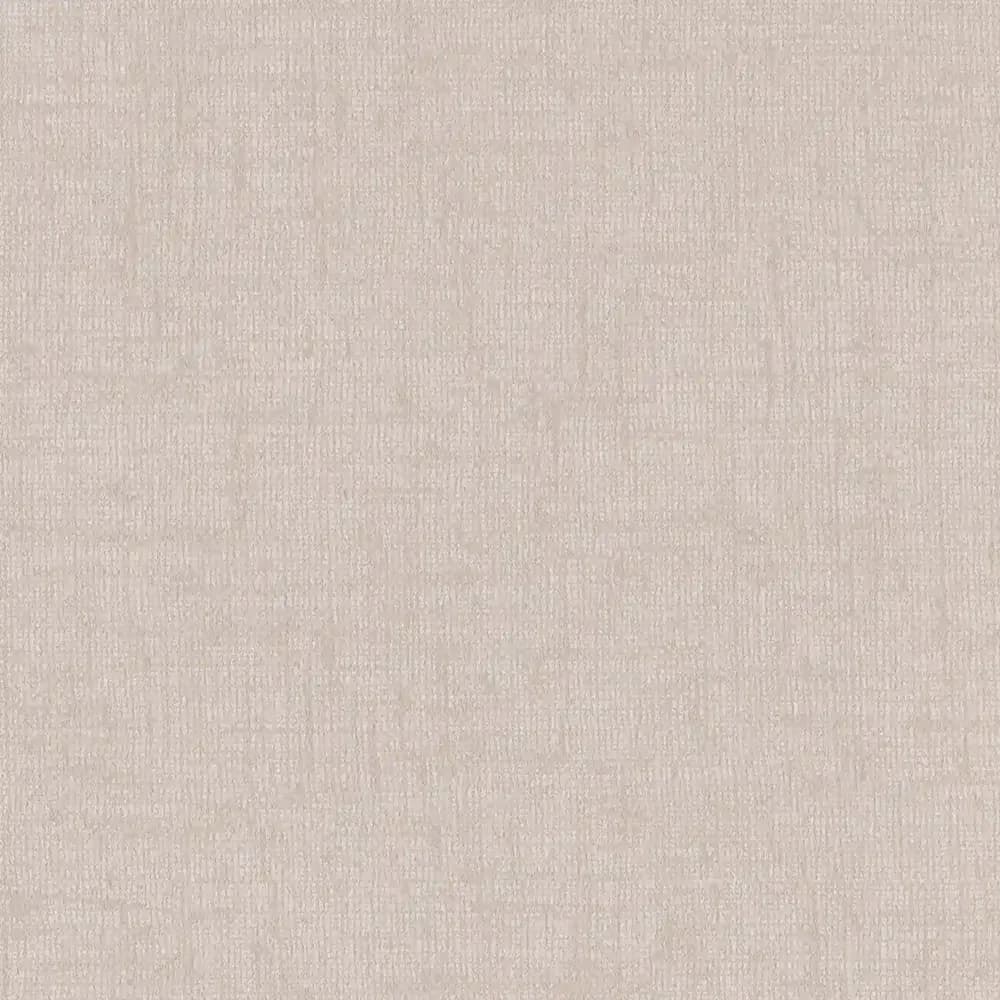
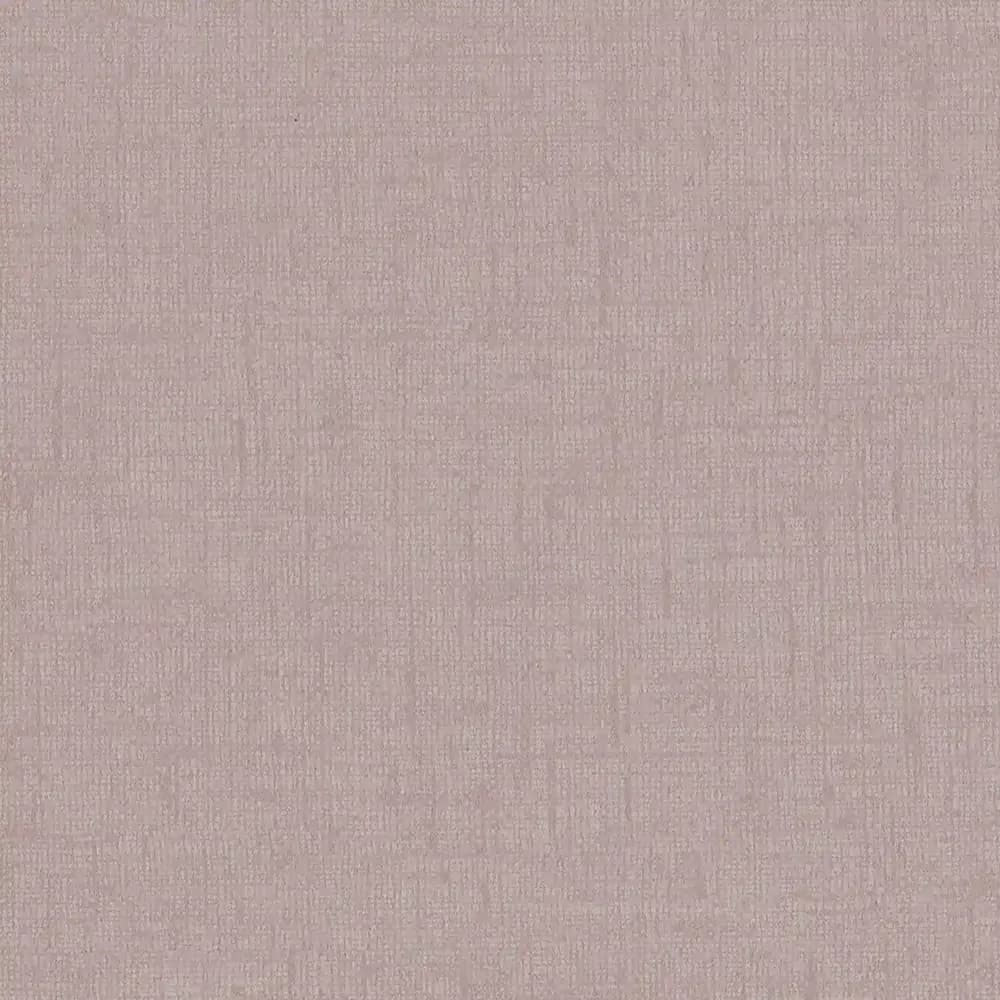
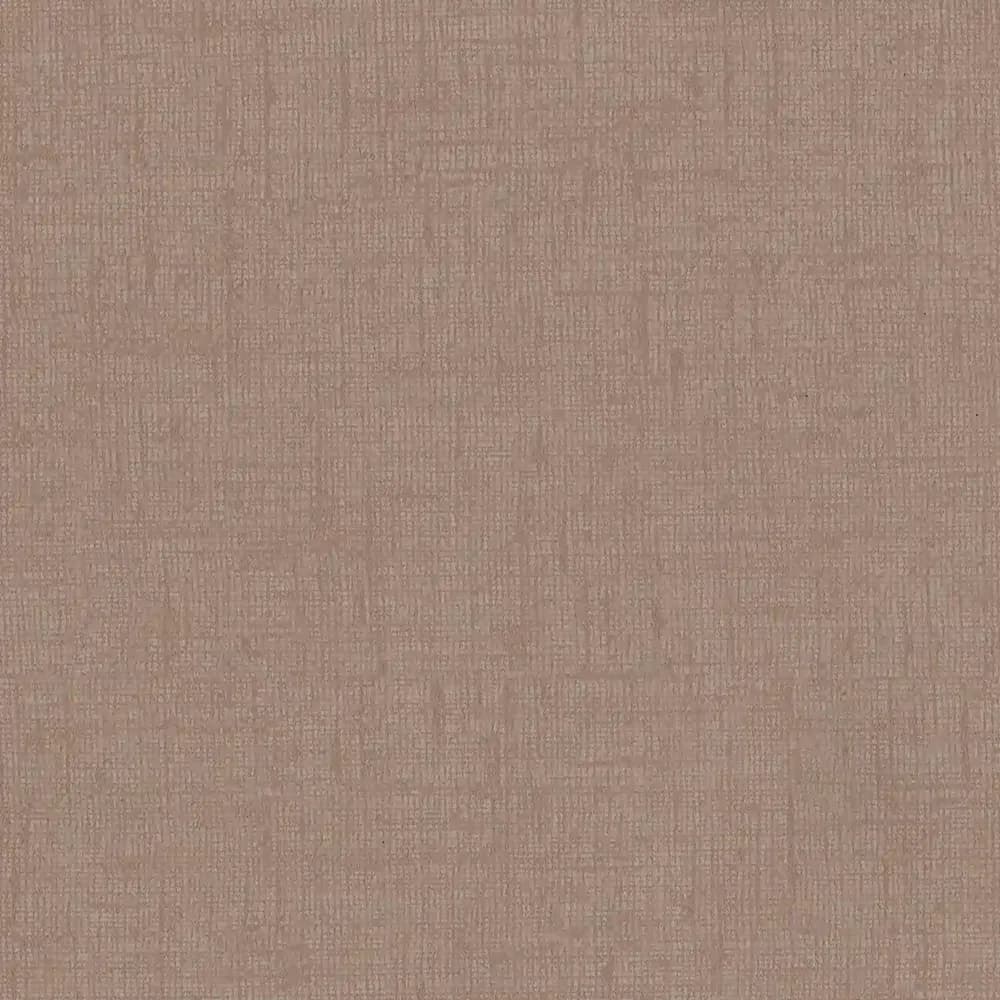
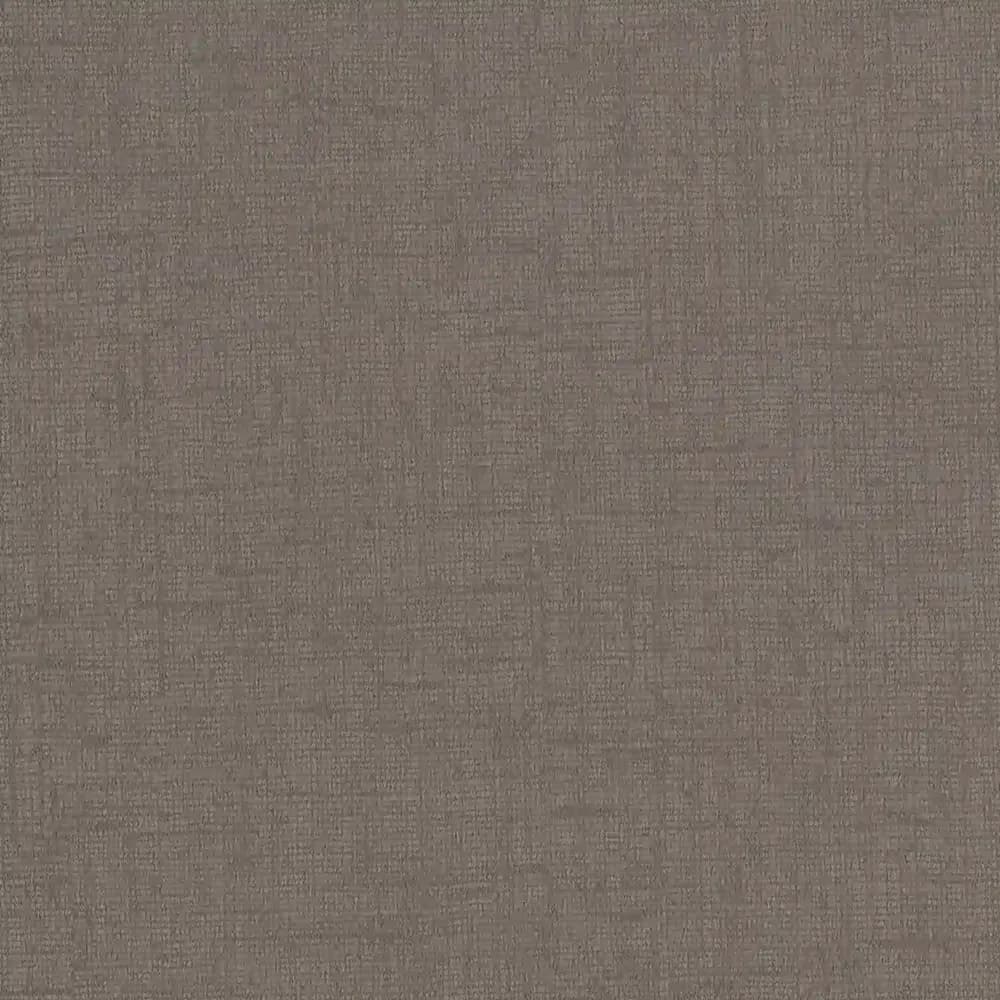
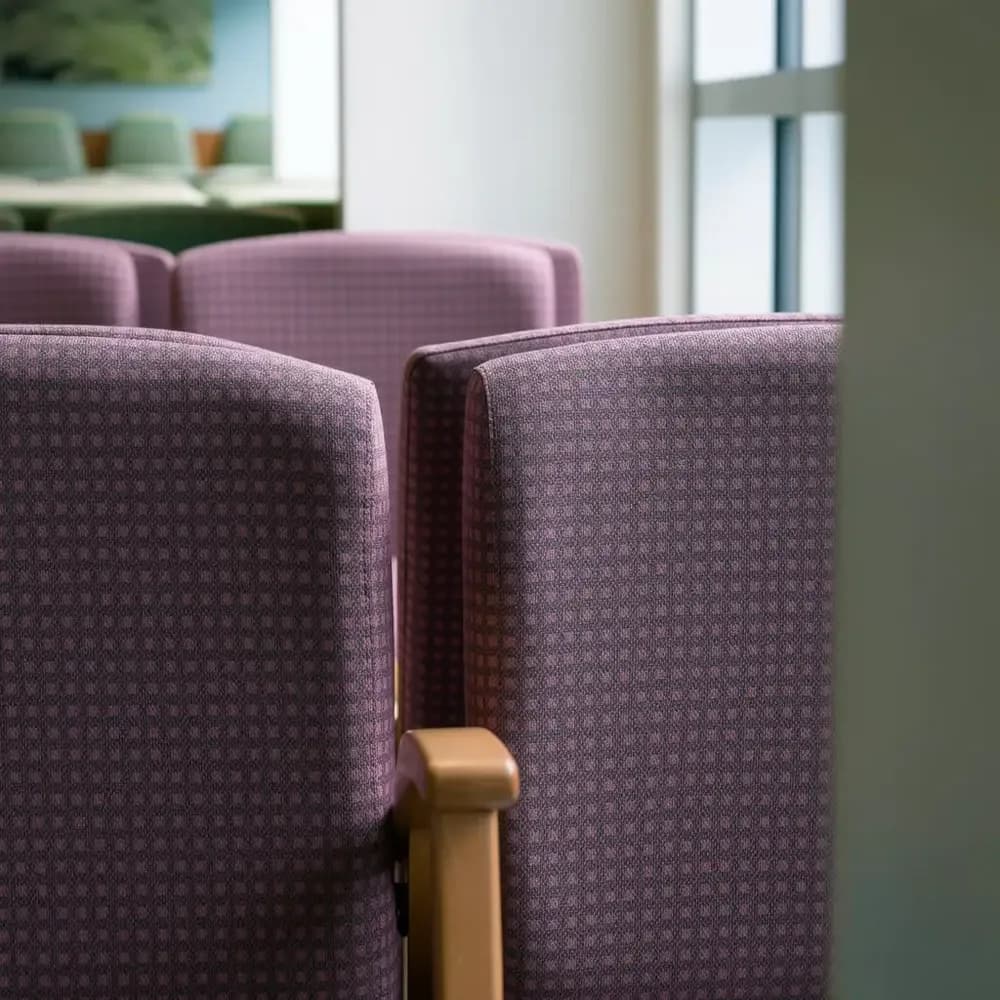
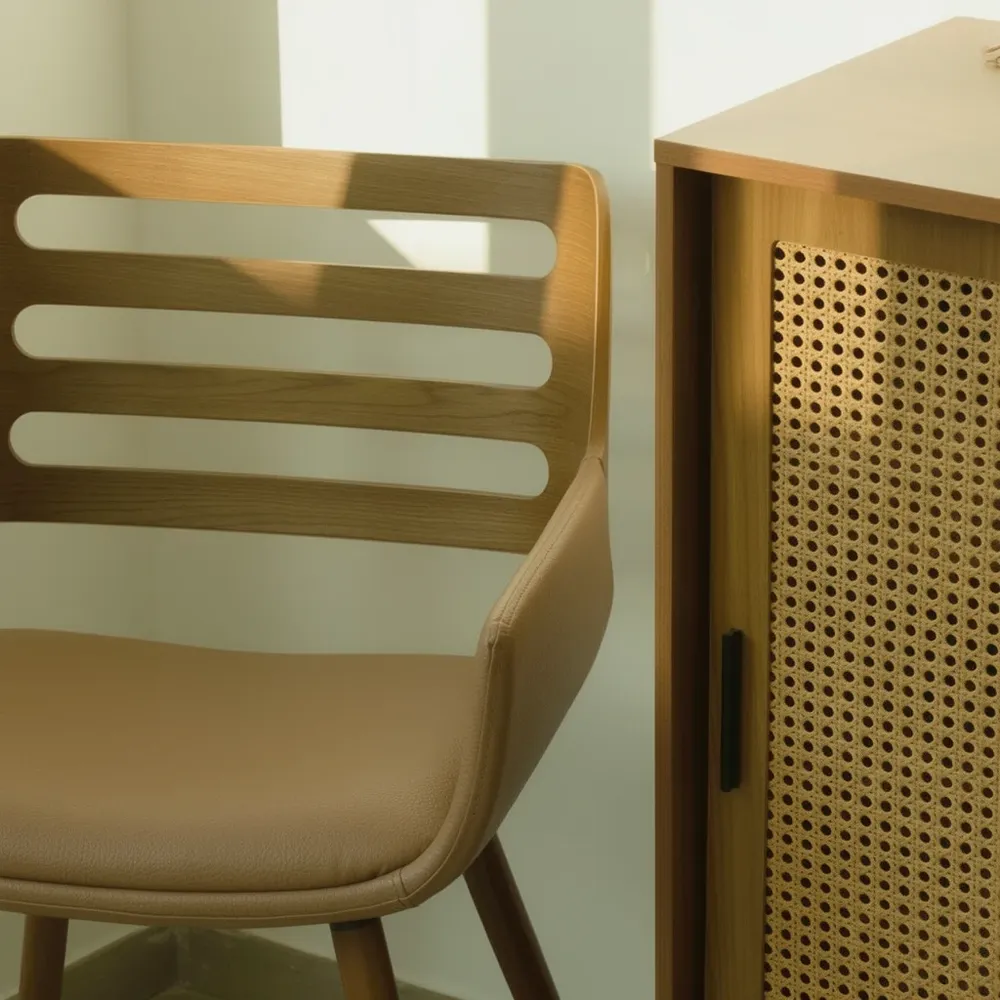
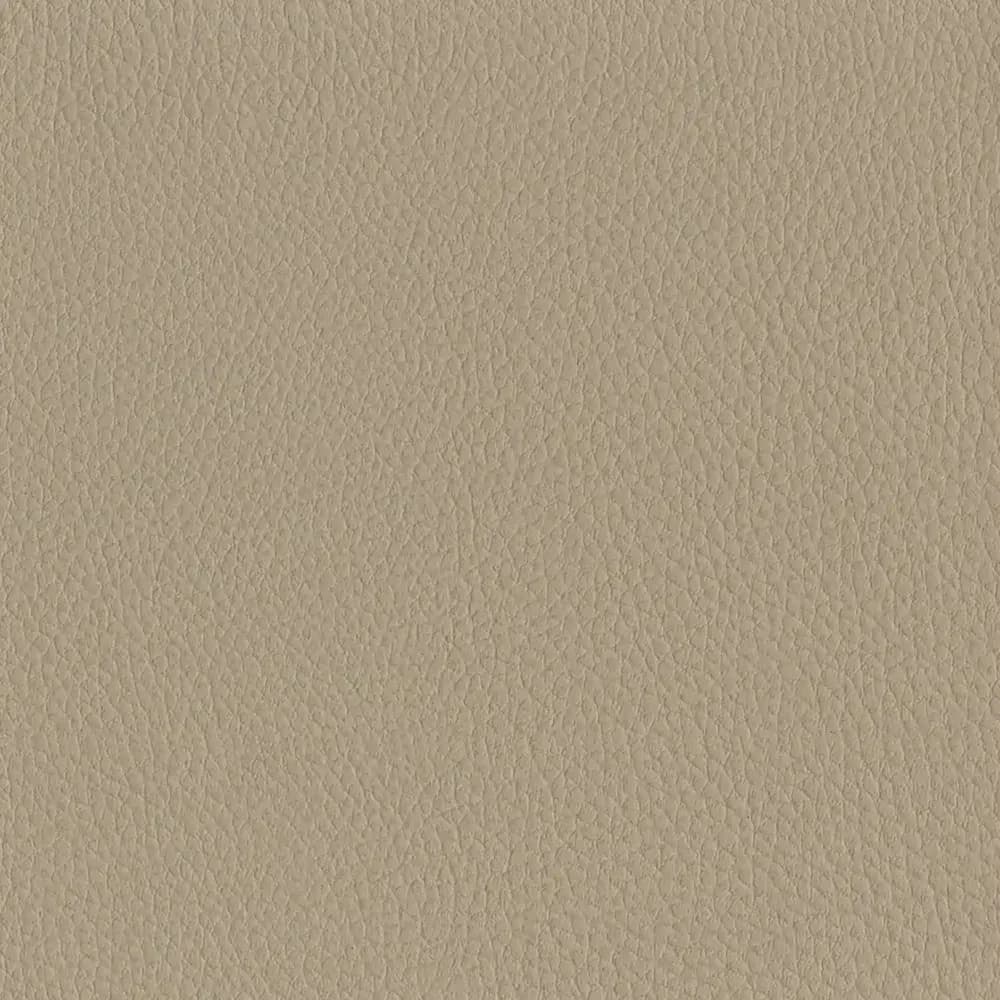
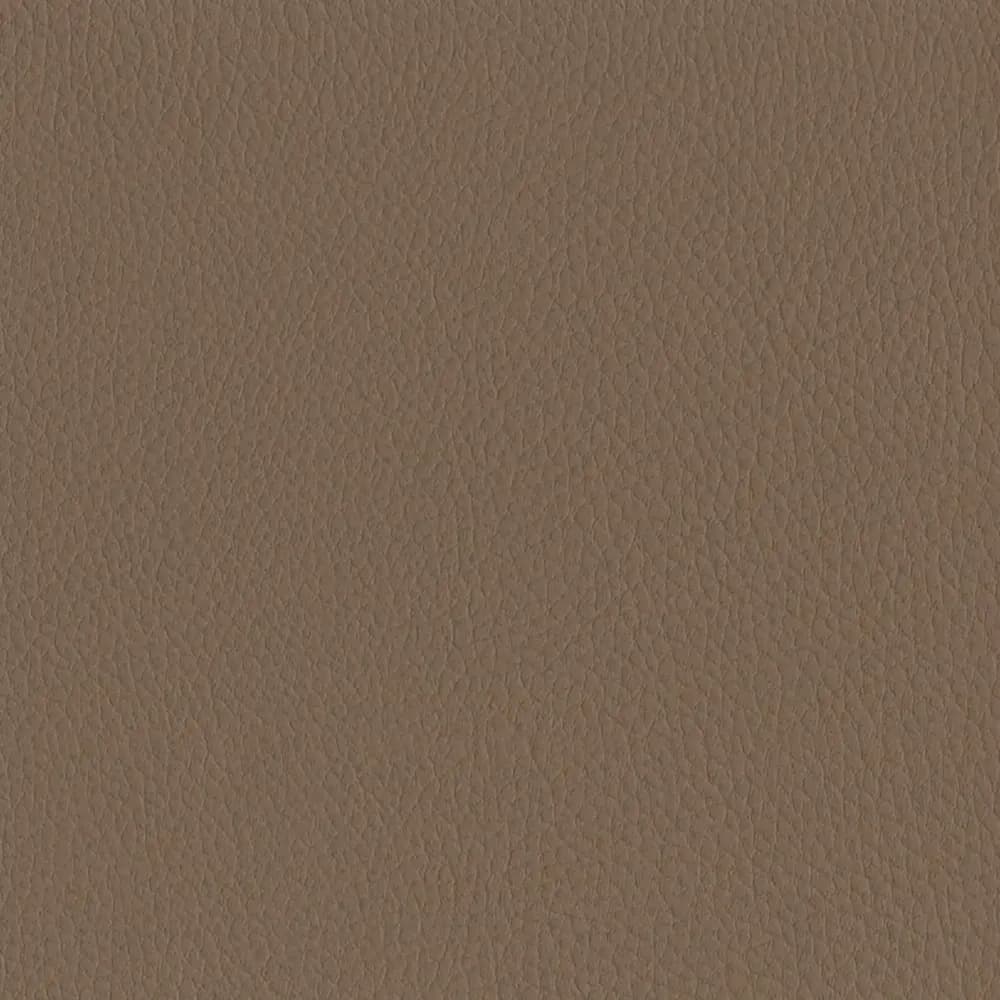
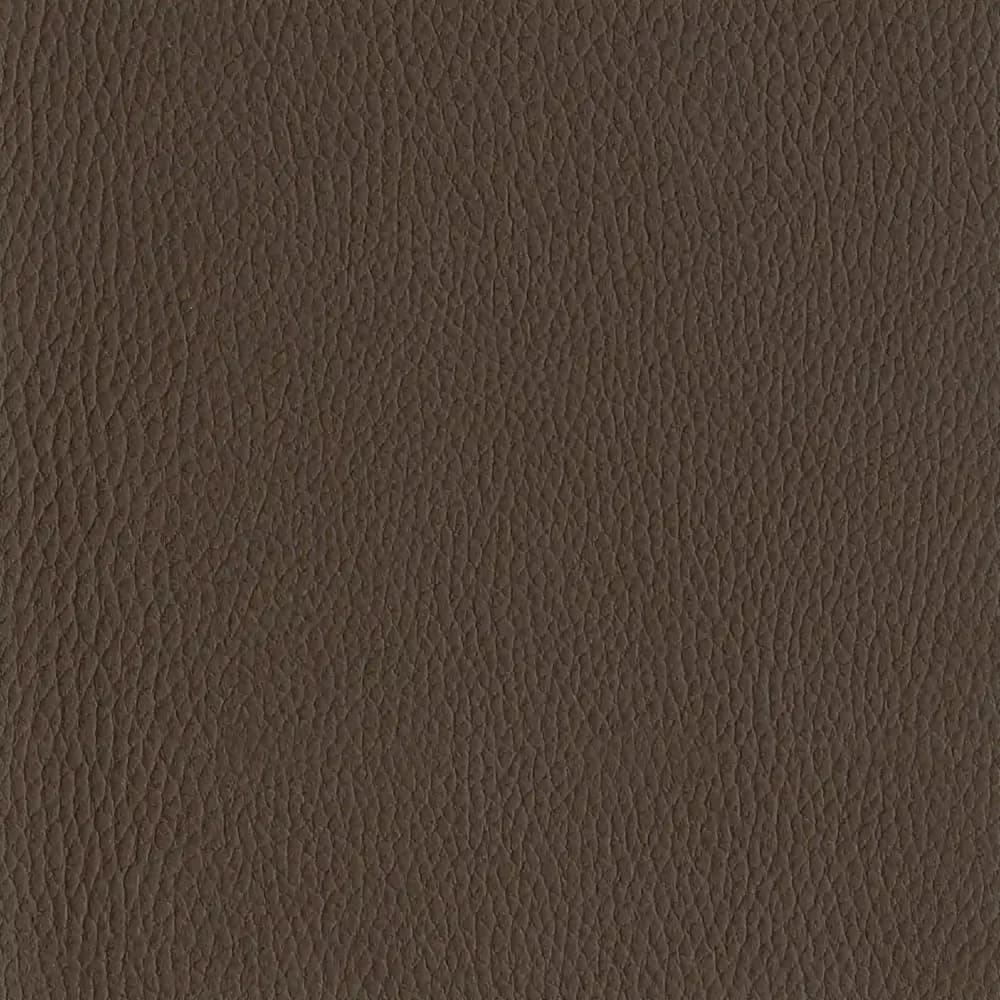
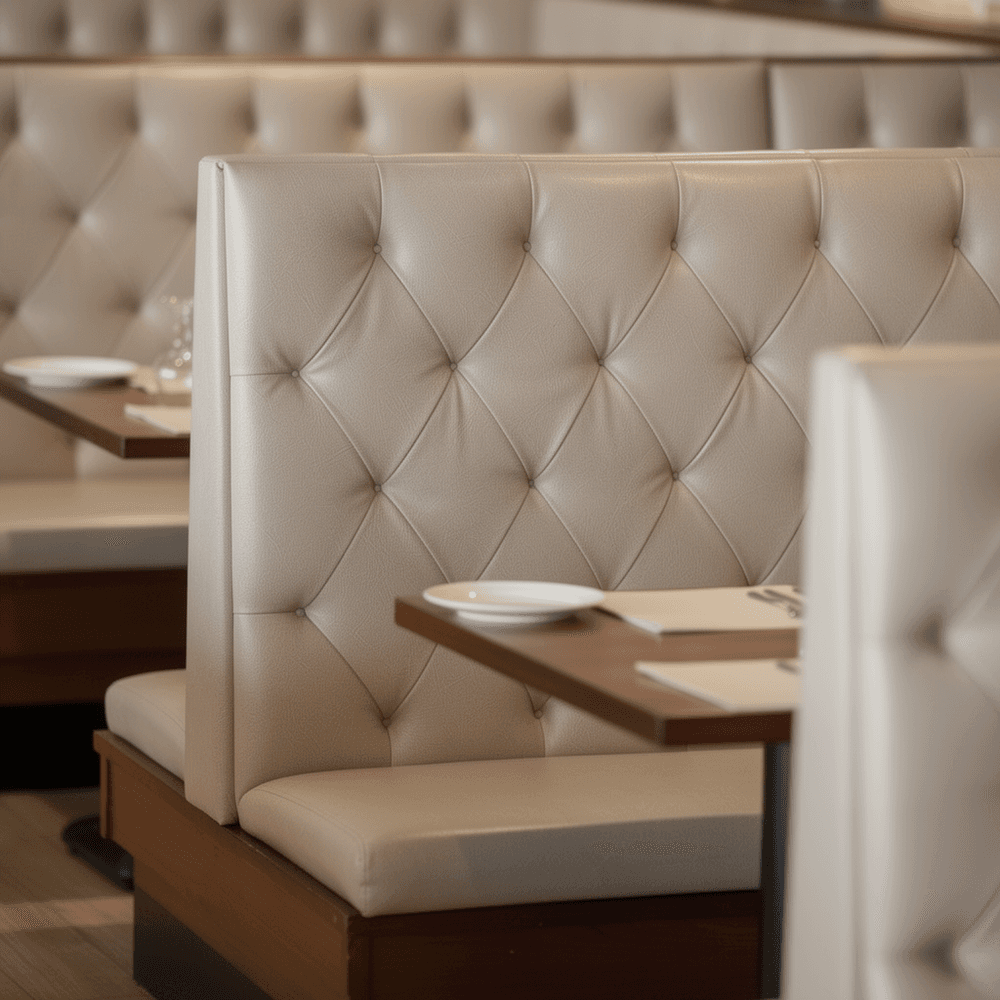
Quite simply, a sample is the starting point - it isn’t the finished environment.
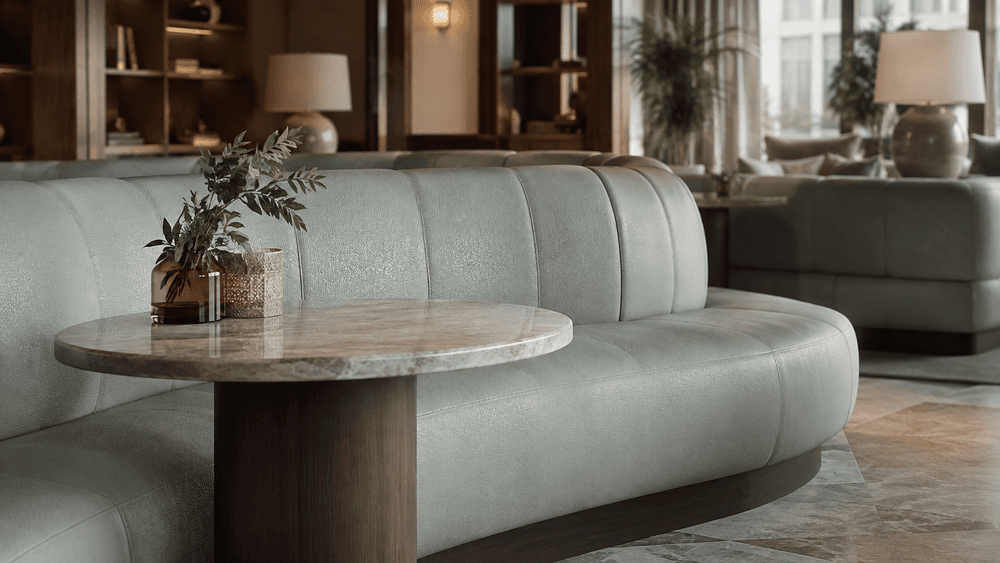
During initial material selection, colour might be considered alongside a palette, texture judged by hand and finish viewed under studio lighting. In the finished interior, those same qualities are experienced differently. The material is seen across a much larger surface, alongside other finishes and under changing natural and artificial light. It also has to translate successfully through fabrication and upholstery before the original material choice becomes a finished piece.
Protecting design intent is about maintaining that connection: making sure the qualities that made a material right at sample stage still come through in the finished space.
Table of Contents
- The gap between selection and installation
- A sample needs to be representative
- Performance belongs in the design conversation
- Substitution is rarely a neutral decision
- Workability affects the finished result
- Consistency matters beyond handover
- From sample to site
A sample needs to be representative
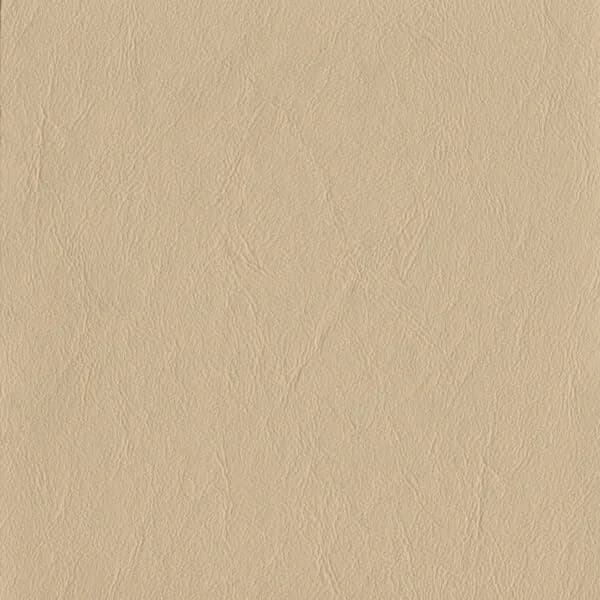
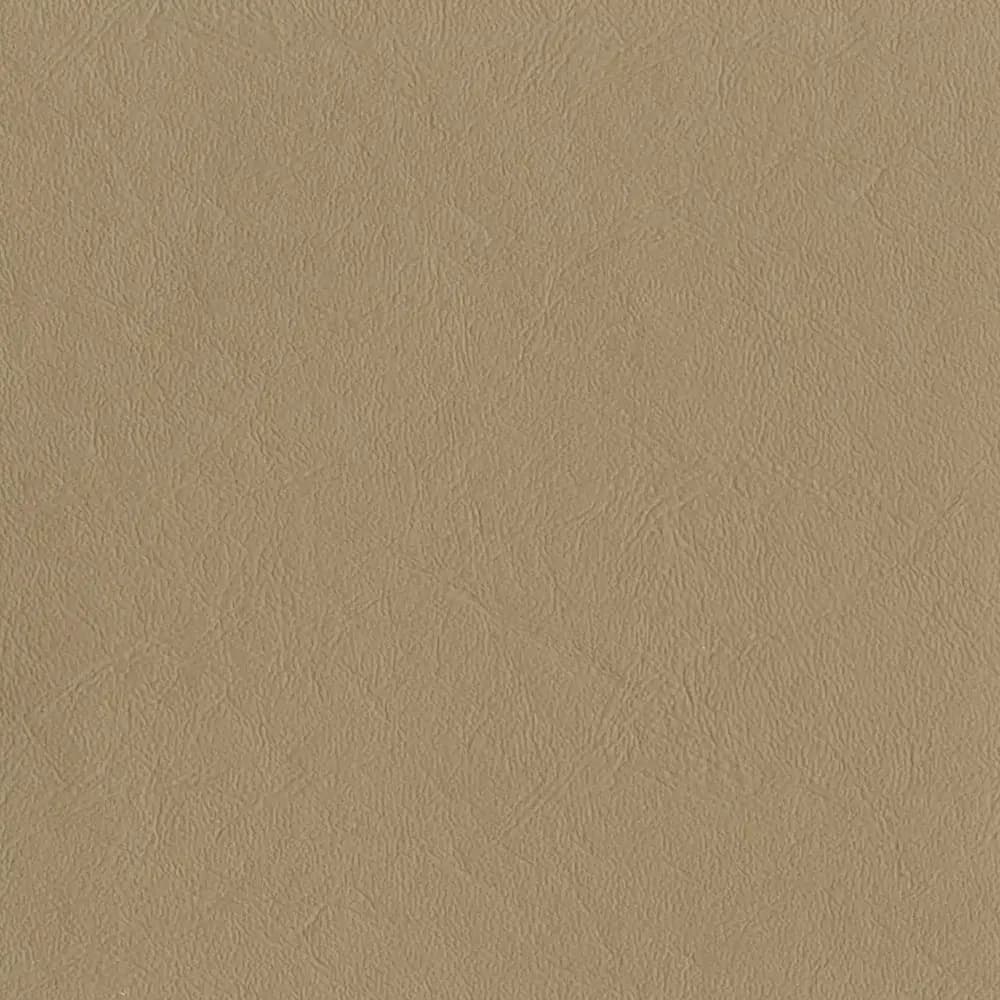
There’s only so much you can understand about a surface material from an image. Screens render colour differently, and qualities such as grain, texture and tactility really need light, scale and touch to be properly understood.
That makes the physical sample an important reference point. What matters next is the connection between that sample and what is eventually supplied. If the material changes noticeably between review, specification and installation, decisions made early in the project begin to lose their value.
For schemes where colour or finish is particularly sensitive, it can be worth going further. A larger sample or project-specific mock-up gives the material more room to reveal itself before it is used across an entire interior.
Performance belongs in the design conversation
It’s difficult to separate the way a material looks from what it will eventually be asked to do.
Fire performance, cleanability, durability and suitability for the intended environment can all affect whether a material is appropriate. Discovering a problem late can mean revisiting a finish that has already become part of the wider scheme.
Those conversations are better had early. Not because technical requirements should drive the aesthetic direction, but because designers need to know that the materials they are working with can support it.
That relationship is important to Ambla. Our coated fabrics bring colour, texture and finish together with the practical characteristics expected of a performance material.
Substitution is rarely a neutral decision
A substitution may appear straightforward on a specification sheet. In the finished space, the differences can be much harder to ignore.
Colour temperature can shift a palette. Grain influences the way light plays across a surface. Handle and flexibility affect how a material behaves around curves, seams and edges. And, of course, technical performance may not be identical either.
That’s why an alternative needs to be considered against more than price, colour name or a few headline specifications. What did the original material contribute to the scheme? How did it feel? How did it behave? Which performance characteristics mattered for that particular application?
If those questions aren’t asked, a small procurement change can have a surprisingly visible effect.
Workability affects the finished result
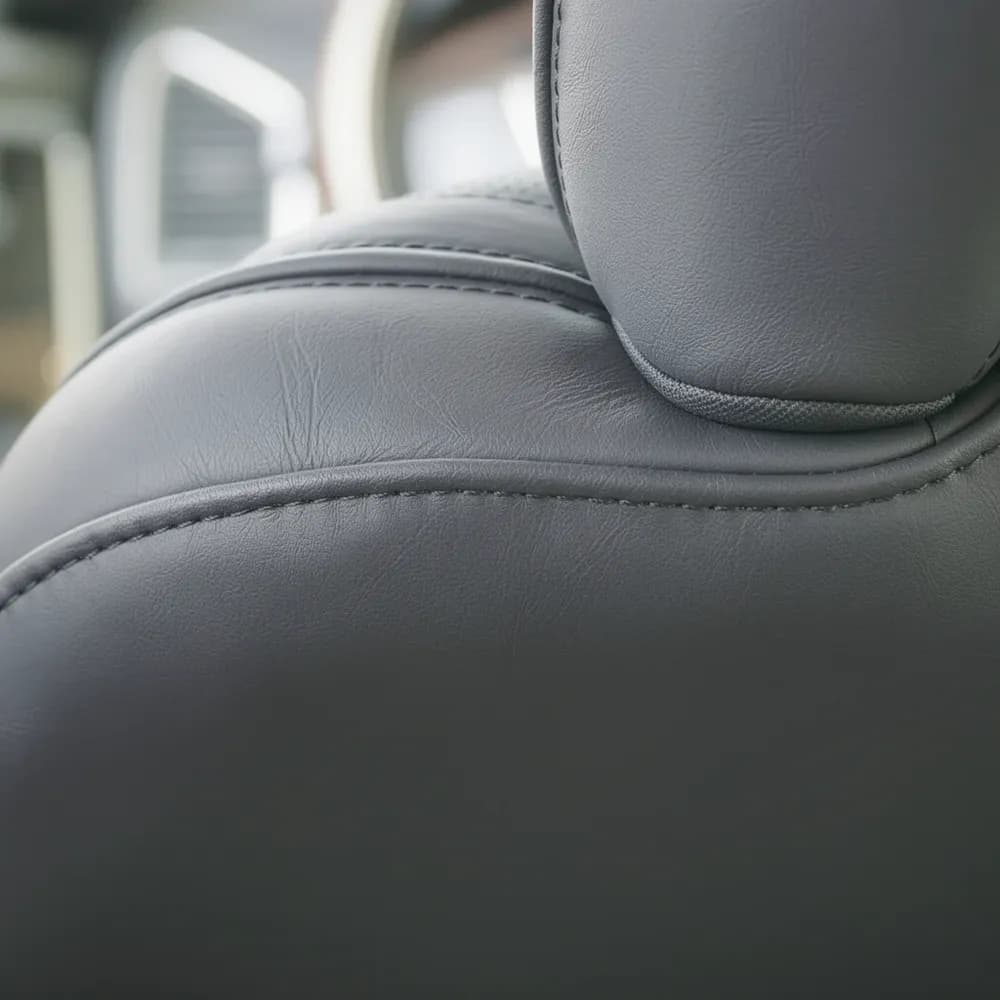
There’s another test waiting after specification: someone has to make something with the material. It needs to be cut, handled, sewn, stretched and fitted. The way it responds during those processes influences the final upholstery, particularly around details such as curves, seams and edges.
Workability is part of the design outcome for that reason. Ambla coated fabrics use a base cloth and vinyl coating engineered to provide strength and flexibility alongside the colour, texture and finish required for the application.
Ultimately, a material has to work beyond the sample table. The quality of the original choice needs to carry through into the finished form.
Consistency matters beyond handover
Installation isn’t the end of the story either. Once an interior is in use, surfaces are occupied, cleaned and handled repeatedly. In more demanding environments, the ability to retain an appropriate appearance over time becomes part of the design outcome.
A material that looks right at handover but deteriorates prematurely changes the character of the space. Durability therefore has a visual consequence as well as a practical one.
For Ambla, longevity is considered in those terms: materials should continue to perform while retaining the qualities that made them appropriate for the project in the first place.
From sample to site
There are a lot of decisions between choosing a sample and seeing it installed. Some belong to the designer, some to the specifier, some to procurement, and others to the people actually making and installing the finished piece.
The important thing is continuity between them.
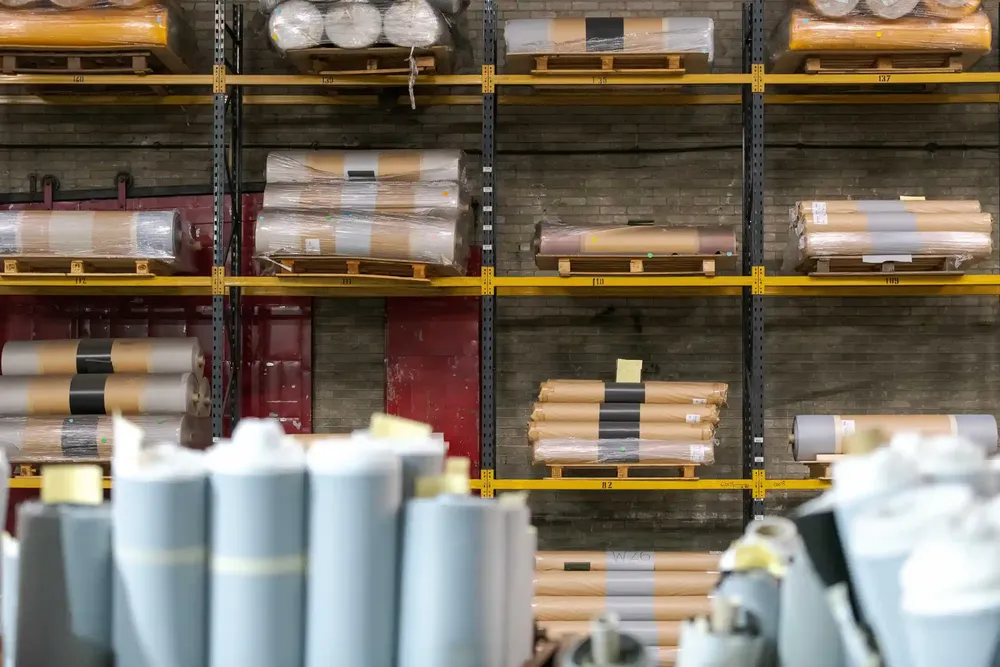
The sample establishes the material direction. Technical information tests whether it is appropriate. Larger samples and mock-ups can show how it behaves in context. Consistent manufacture protects the material choice as it moves into production, and good fabrication allows its character to come through in the finished piece.
Individually, these are ordinary project decisions. Collectively, they determine whether the material that arrives on site still delivers what was intended at the beginning.
Protecting design intent starts with understanding the material properly. Request an Ambla sample or speak to our team about your project.