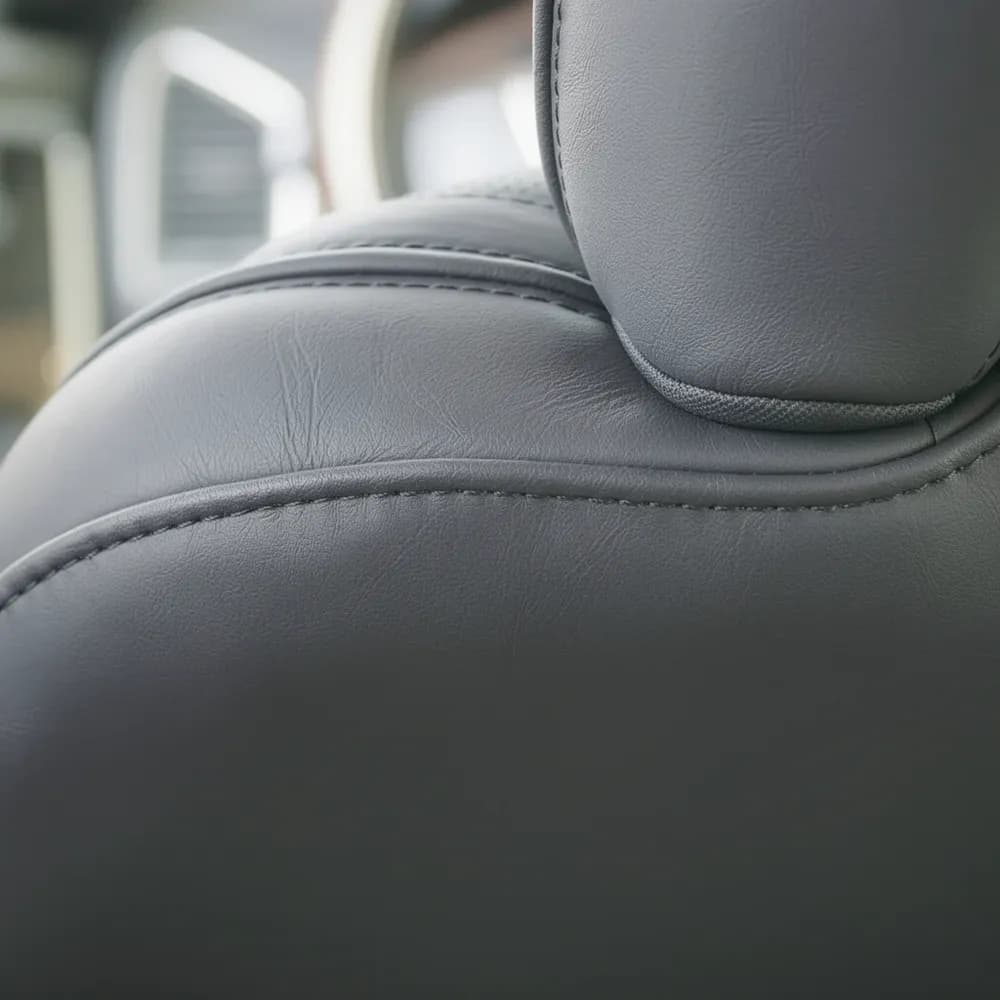
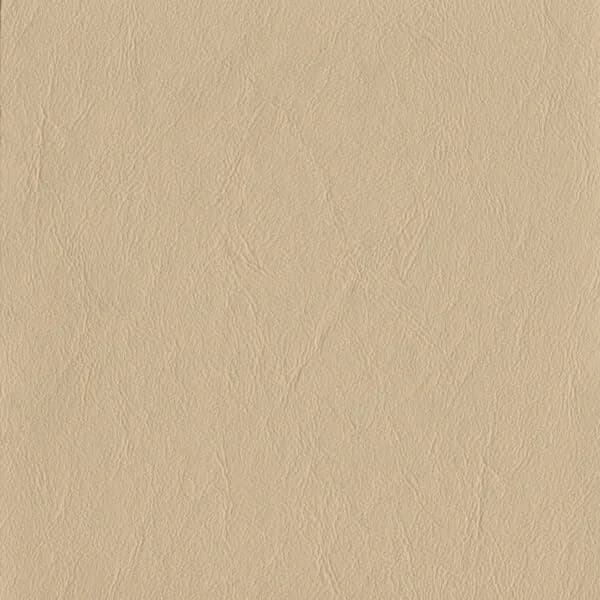
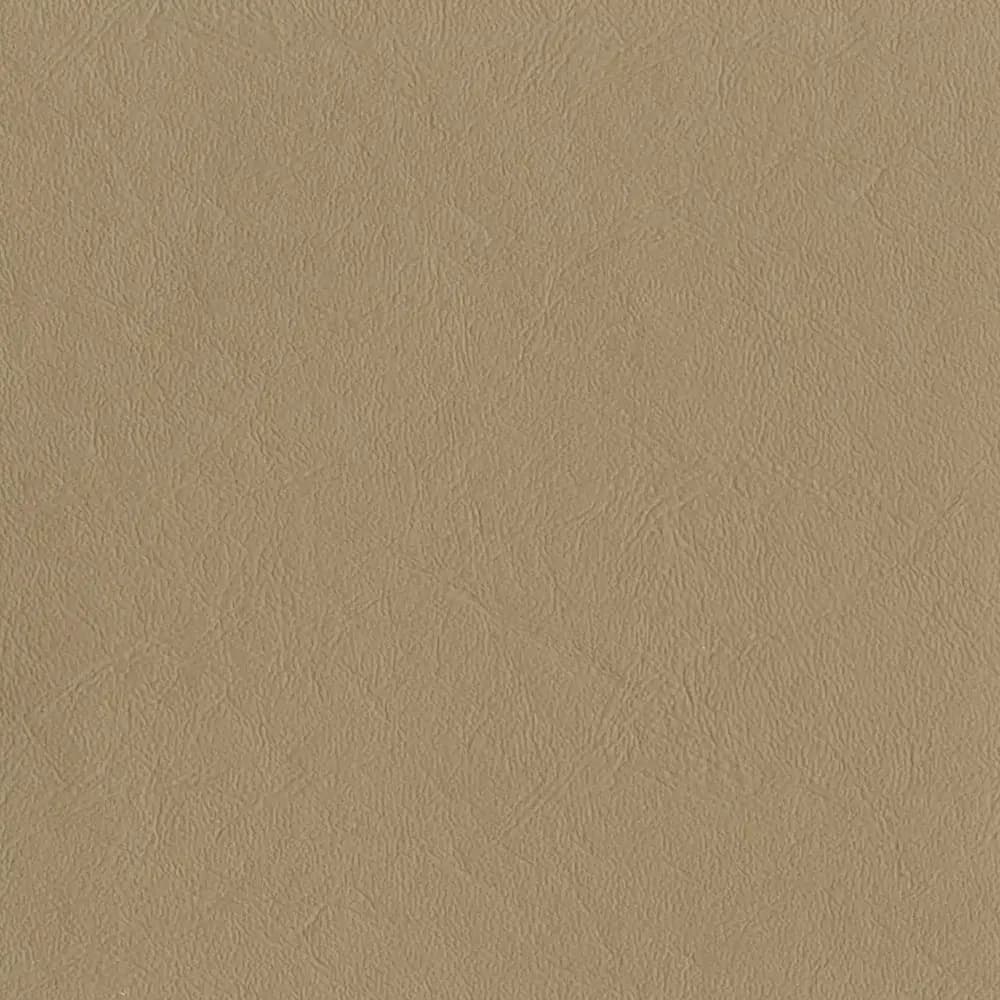
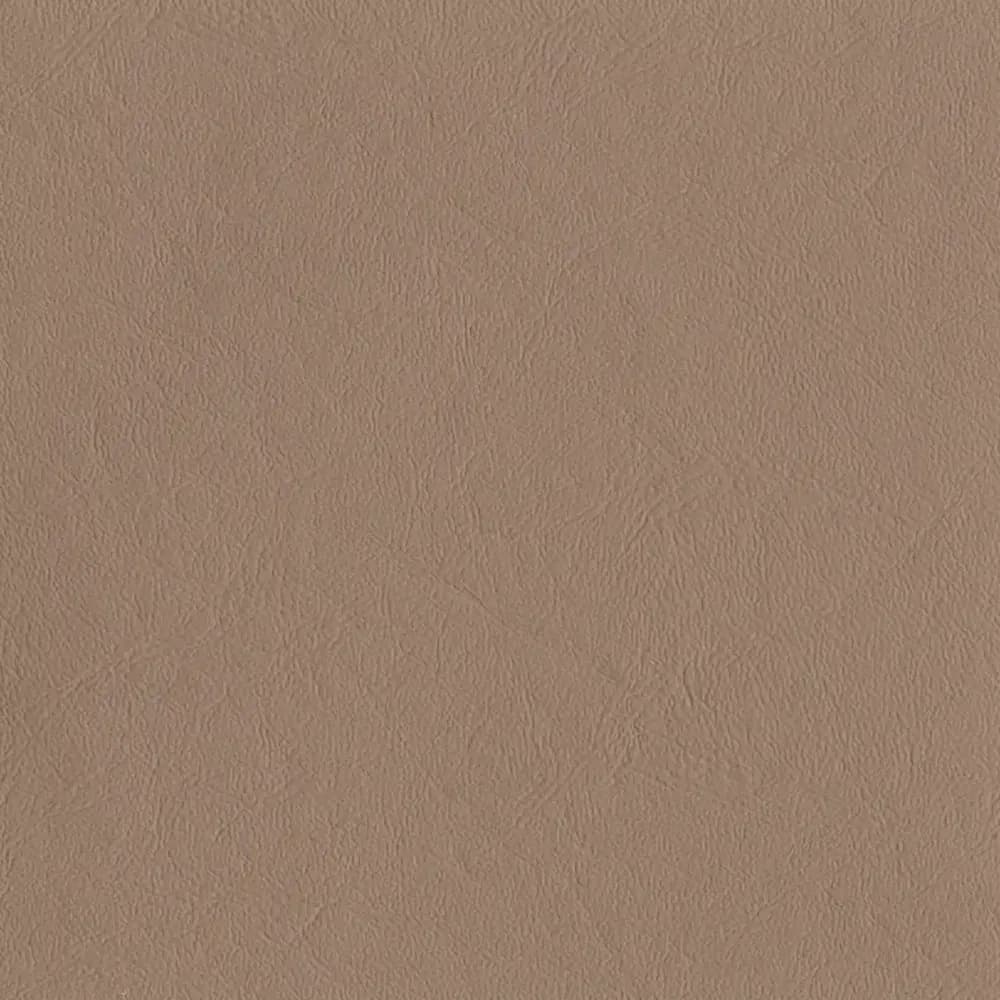
We remember interiors as a whole. A restaurant feels comfortable. A waiting room feels calm. A workspace feels considered. A seat on a long journey either supports the experience or becomes the one thing we can’t stop noticing.
Behind those impressions sit hundreds of material decisions - most of which the people using the space will never consciously register.
Upholstery is one of them.
Colour and texture earn a material its place on a scheme, but the experience of that material continues long after installation. Its temperature and handle, the way it responds to repeated contact, how well its appearance survives cleaning and wear, and whether it keeps supporting the original design - all of this shapes how an interior is experienced over time.
Good specification, then, is about more than choosing something that looks right. It’s about considering what that surface will quietly be asked to do.
Table of Contents
- The difference between seeing and experiencing a material
- Touch changes our reading of a space
- Colour does more than complete a palette
- What happens after installation
- Cleanability is part of the experience
- Why material consistency matters
- What longevity preserves
- The value of materials that do their job quietly
The difference between seeing and experiencing a material
Material selection usually begins visually. Samples are compared, palettes assembled, finishes judged against the wider interior.
But once a space is occupied, materials stop being purely visual objects.
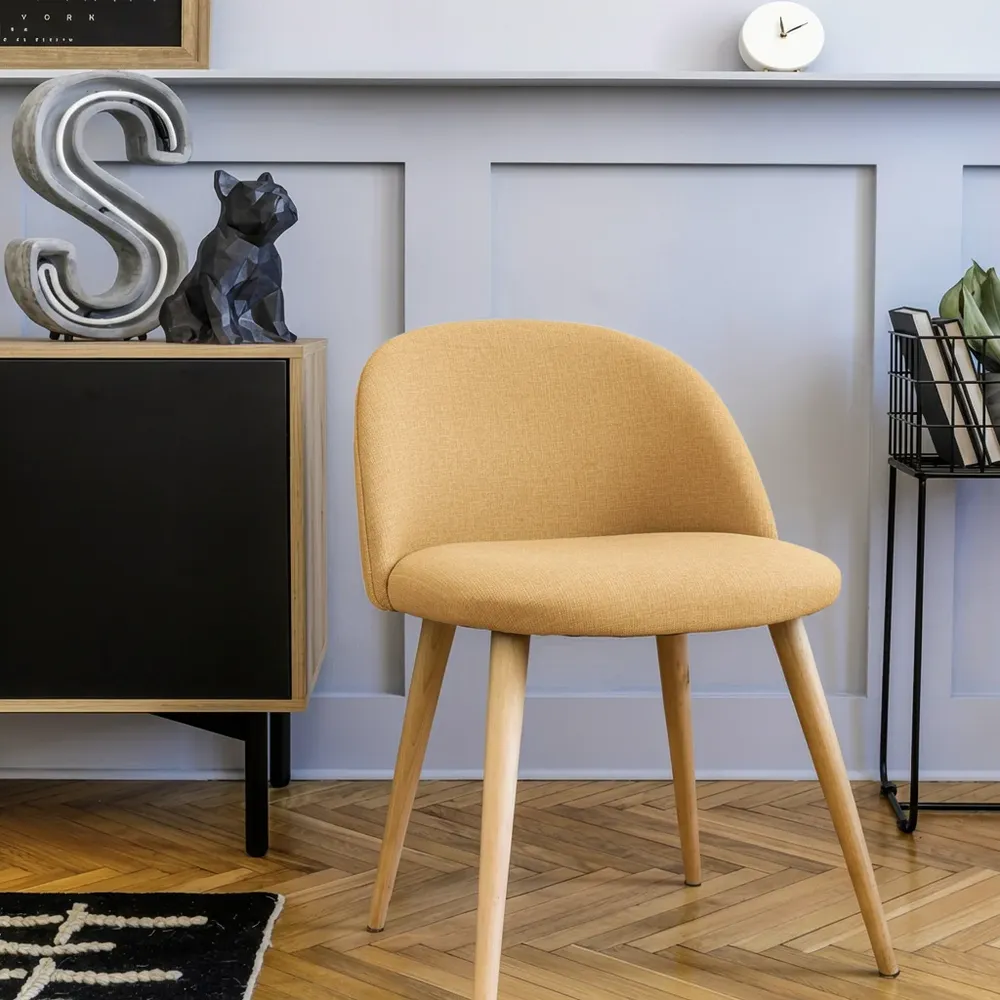
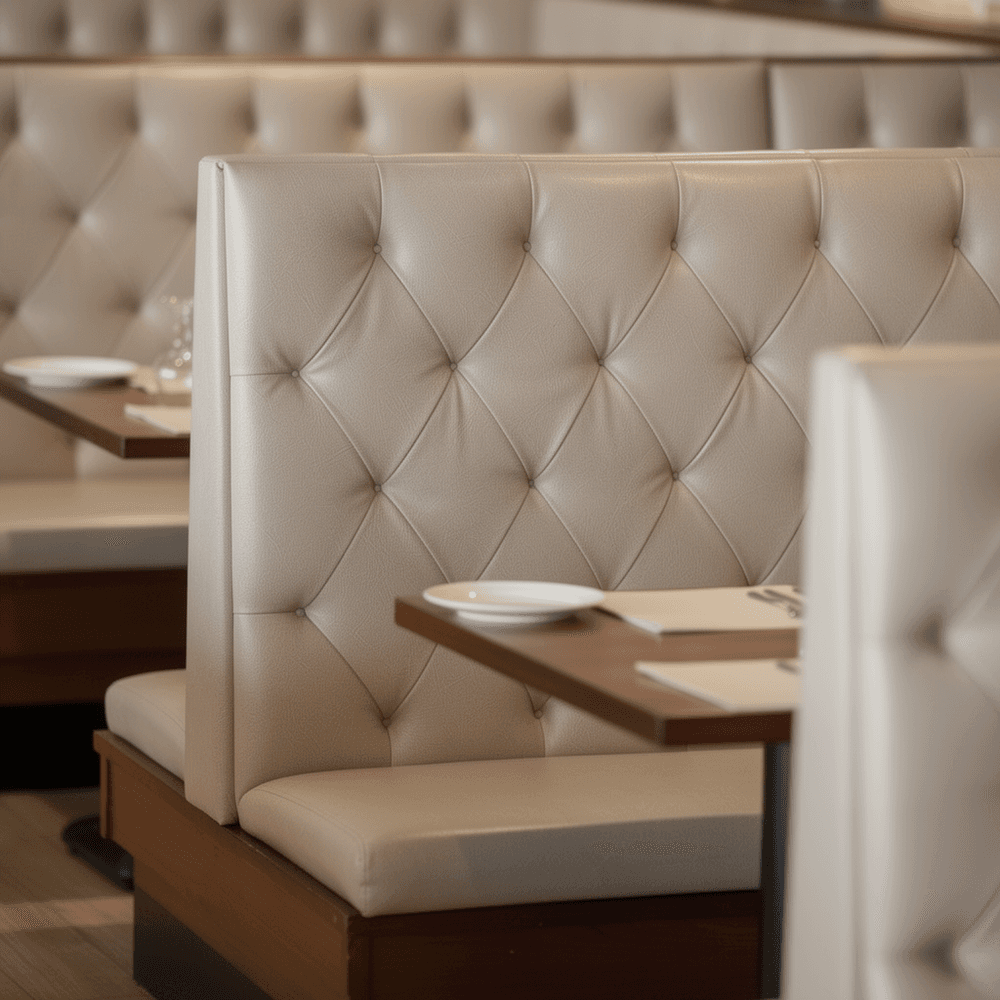
A chair is touched before it’s closely inspected. A booth seat is experienced through hours of use. A healthcare surface may be cleaned repeatedly. Transport upholstery encounters thousands of individual journeys. What started as a small sample becomes part of a much larger physical environment.
That distinction matters, because the qualities that photograph well aren’t necessarily the qualities that make a material succeed in use.
Surface character, flexibility, comfort, durability and the way a material changes through repeated use all shape the finished experience. The material has to make the transition from something selected to something lived with.
Touch changes our reading of a space
Texture is often treated as an aesthetic device - something used to add depth, contrast or visual interest. But its influence goes further than that.
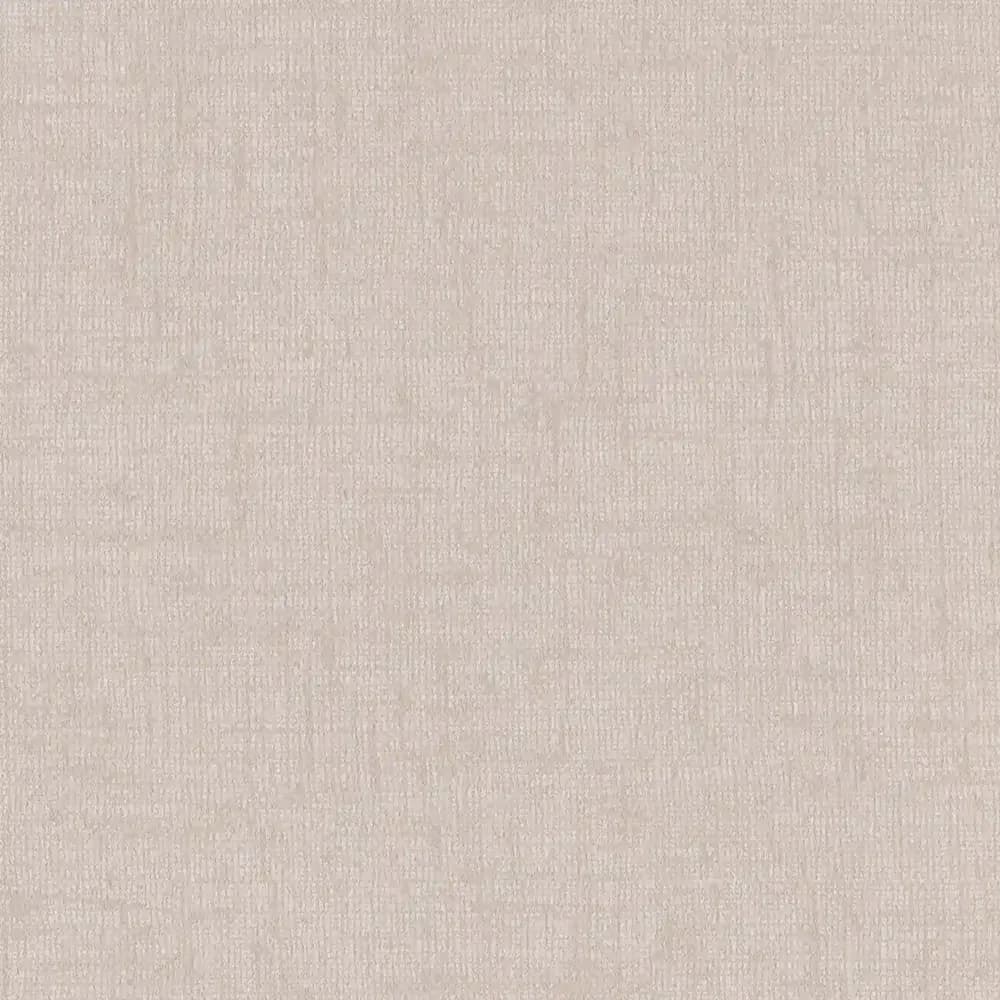
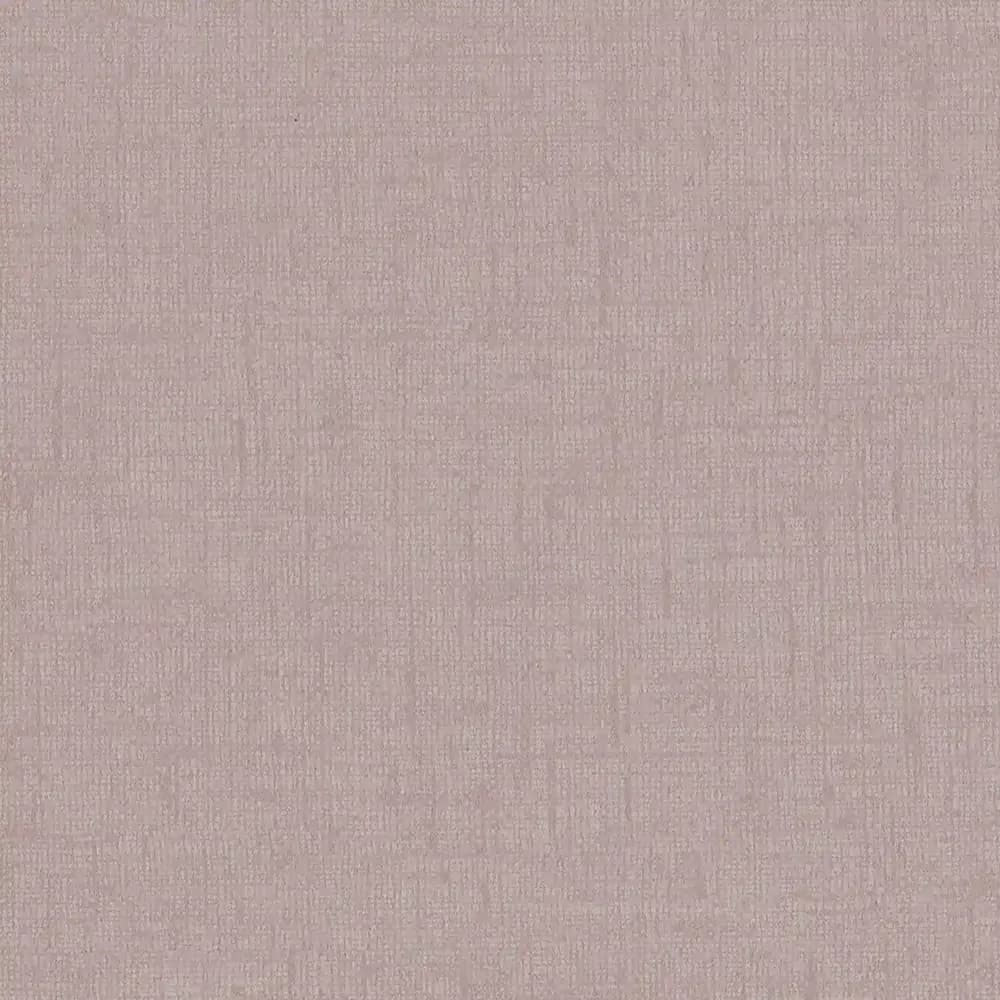
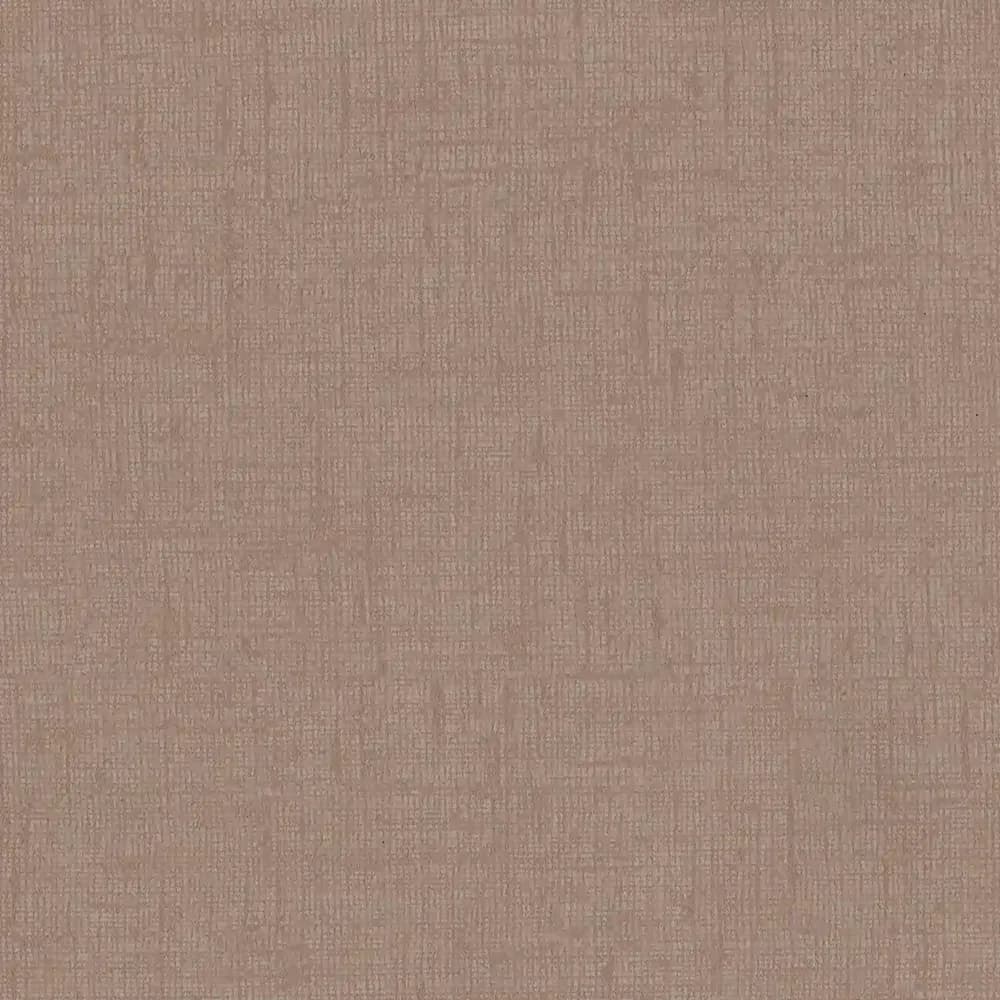
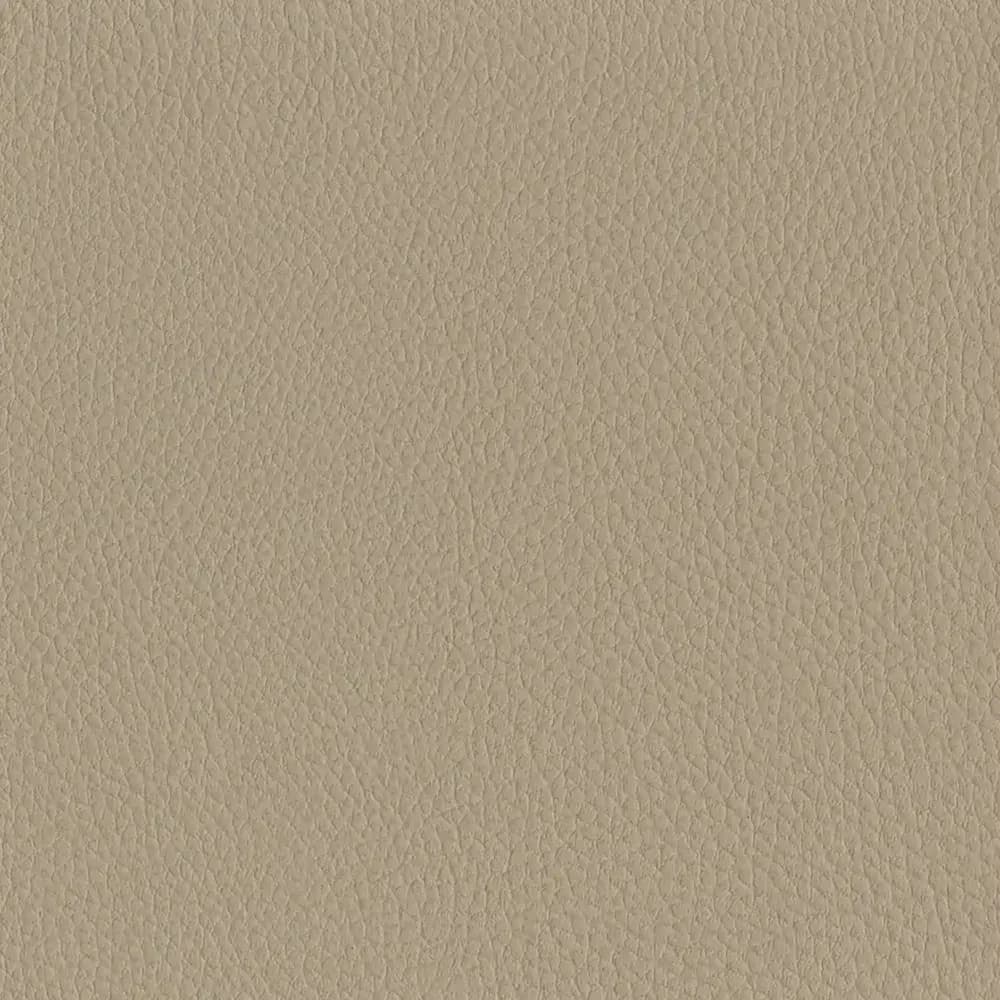
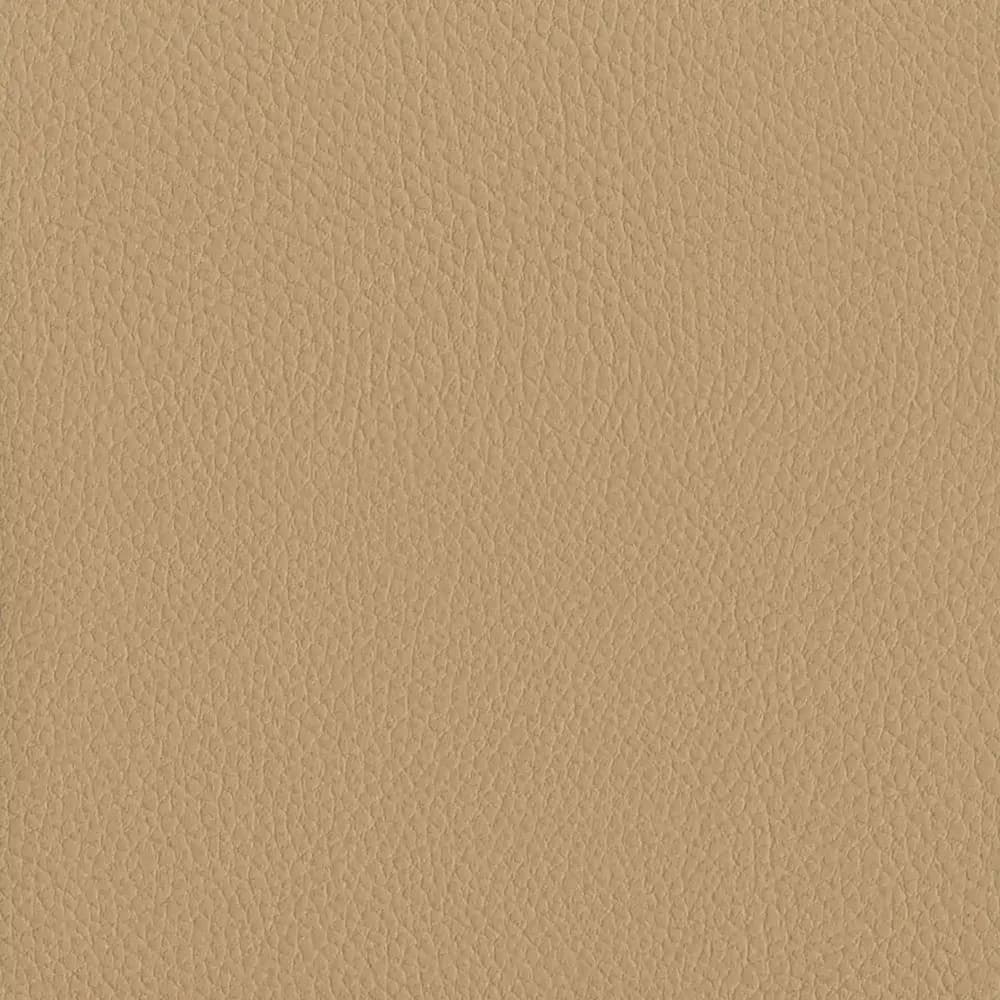
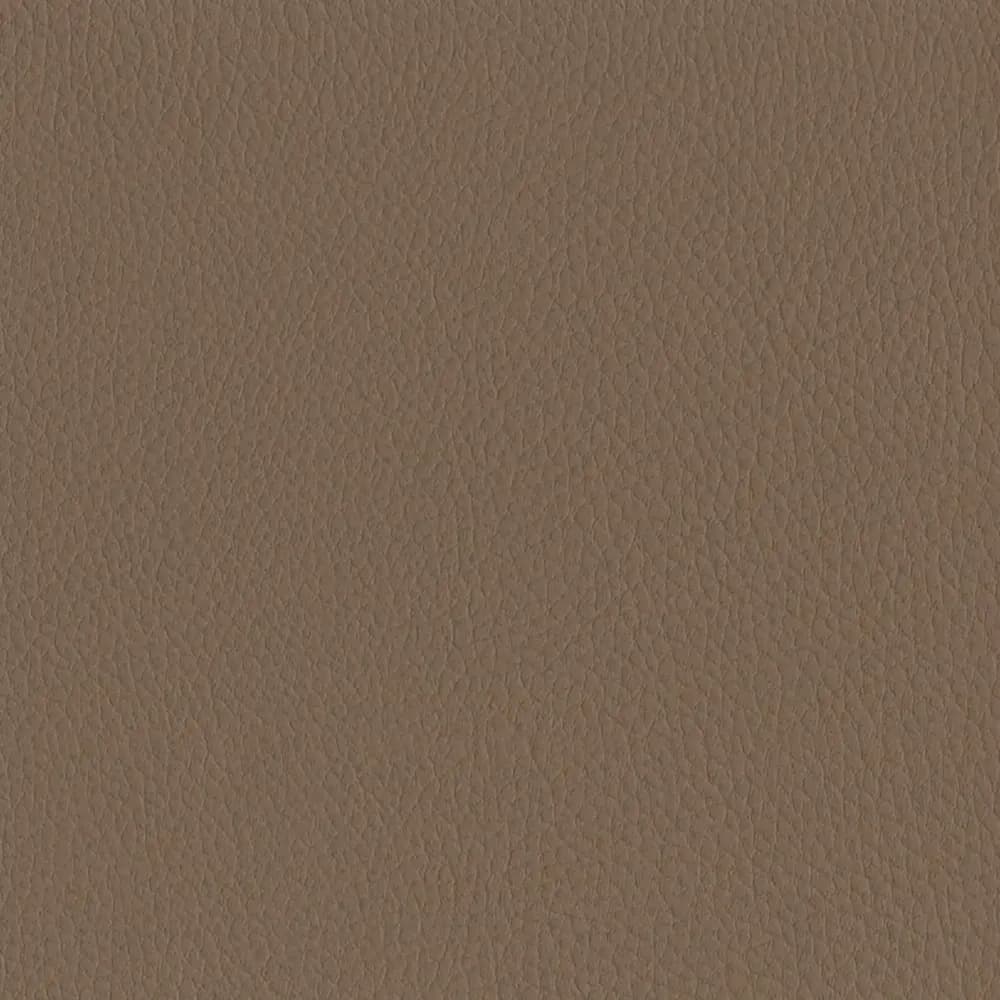
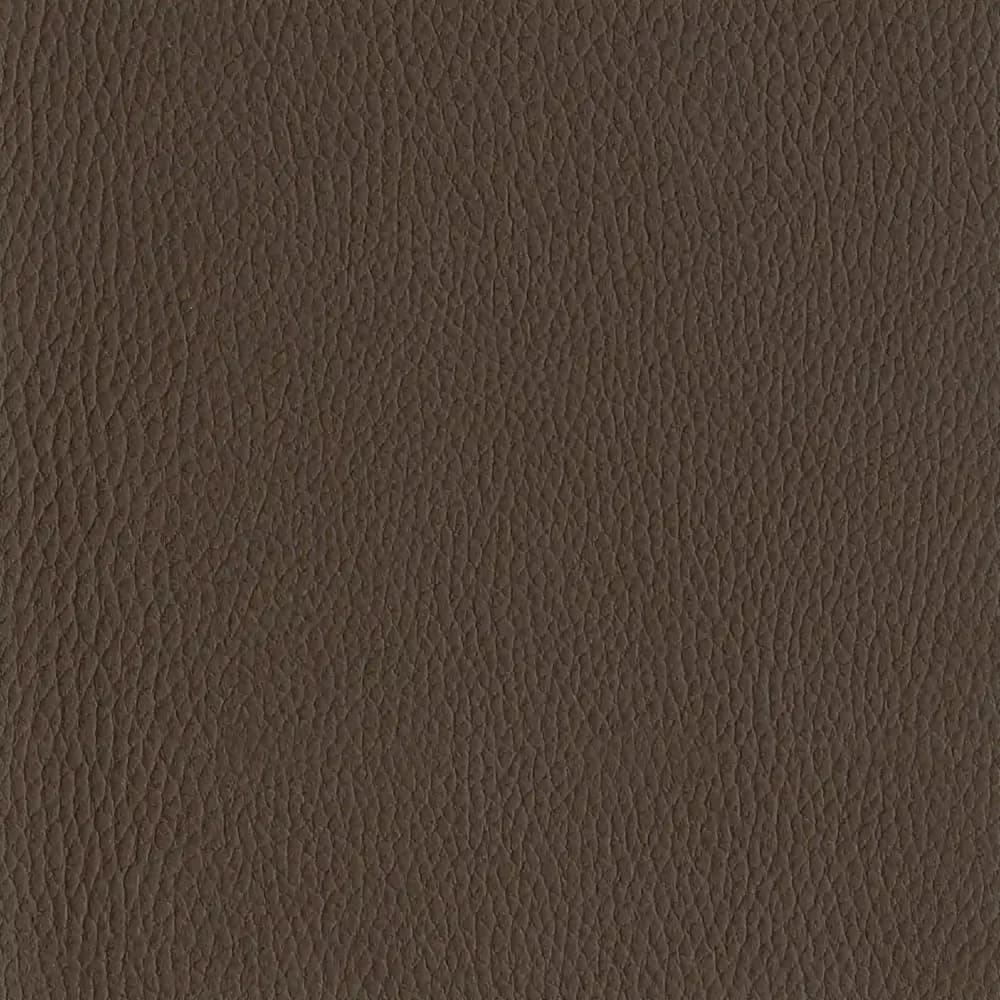
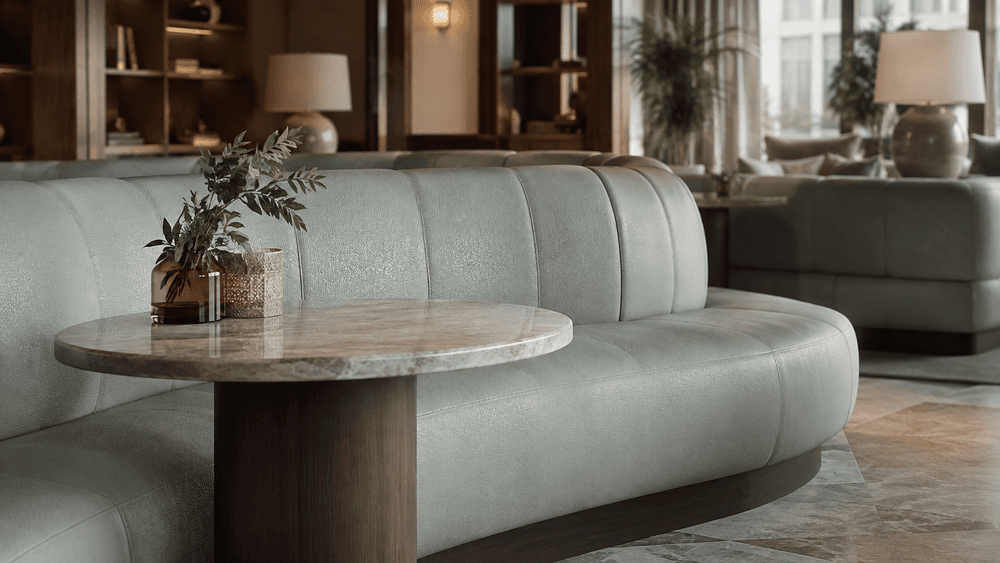
The character of a surface can shape how we read an interior before we’ve consciously thought about it. A fine grain feels restrained and precise. A more pronounced texture adds richness and tactility. Textile-inspired surfaces can soften spaces that might otherwise feel clinical or purely functional.
This matters especially for upholstery, which sits so close to the body. It isn’t a distant architectural finish - it’s a surface people repeatedly touch, sit against and interact with.
There’s a difference between a texture that simply looks convincing and one that genuinely contributes to a space’s atmosphere.
The strongest choices do both.
Colour does more than complete a palette
Colour is one of the most immediate material decisions, but its effect doesn’t end once the mood board is approved.
On upholstery, colour occupies physical volume. It wraps around forms, catches changing light and sits alongside other surfaces at close range. A shade that works as a small swatch has to keep working when it covers an entire banquette, a row of seating or multiple pieces throughout a room.
Its role can be functional, too - establishing hierarchy, distinguishing areas, reinforcing identity or creating continuity across a larger environment.
That’s why accuracy matters. The relationship between the sample that informed the decision and the material ultimately installed needs to be dependable. When colour or
finish shifts unexpectedly between those stages, the effect can extend well beyond one piece of furniture and unsettle the balance of the wider scheme.
Material confidence starts with knowing that what’s been selected will carry through into reality.
What happens after installation
A newly completed interior captures a very particular moment in a material’s life.
The more revealing question is what happens next.
Seats are occupied. Edges are handled. Surfaces are wiped down. Furniture is moved. Clothing, bags and equipment make repeated contact with upholstery - in some environments, hundreds or thousands of times between maintenance cycles.
These interactions gradually become part of the appearance of a space.
A material that loses its character prematurely can make an otherwise considered interior feel older than it is. A surface that keeps performing and holding its appearance, on the other hand, lets the original design stay legible for longer.
This is where durability becomes a design consideration, not just a line on a technical sheet.
Performance and aesthetics aren’t separate - performance determines how long those aesthetics survive.
Cleanability is part of the experience
Cleaning rarely features in the initial visualisation of an interior, yet in many commercial environments it’s one of the most frequent interactions a surface will have.
That raises a practical design question: can the material withstand the maintenance routine the space demands without its appearance or integrity suffering?
The answer affects more than facilities management.
A material that can be maintained effectively helps an interior keep feeling cared for. Marks, staining and visible deterioration can quickly shift perceptions of a space - particularly where cleanliness carries extra weight.
For coated upholstery, this is one reason surface construction matters. Ambla fabrics, for example, are designed for durability, practicality and easy cleaning, so these requirements can be considered alongside colour, texture and finish rather than treated as an afterthought.
The best maintenance strategy is one that works with the material, not against it.
Why material consistency matters
A material rarely exists in isolation. The same finish may appear across different pieces of furniture, different rooms or different phases of a project - and may need to sit alongside an approved sample months after the original decision was made.
Consistency plays a quiet but important role here.
When colour, texture and surface character stay dependable, a material becomes easier to integrate into the wider design language. Repetition starts to feel intentional, giving a project visual continuity.
This matters most where an interior needs to balance individuality with coherence. A material doesn’t need to dominate a room to contribute to its identity - sometimes its role is exactly the opposite.
It creates a stable visual thread that lets everything else work.
What longevity preserves
Replacing an upholstery surface never happens in isolation.
There’s the replacement material itself, but also removal, transport, labour, disruption and the possibility that adjoining finishes no longer match as they once did. In a commercial environment, replacement can also mean taking furniture or entire areas temporarily out of use.
A longer-lasting material can reduce how often that cycle needs to repeat.
That makes longevity relevant on several levels. It helps protect the appearance of the original scheme, reduces unnecessary intervention and makes fuller use of the material already manufactured and installed.
For Ambla, this is also central to how we approach environmental responsibility. Vinyl is a plastic-based material, and we don’t pretend otherwise. Our position is that durability matters - materials that stay useful for longer can reduce the frequency of replacement and the associated waste.
Longevity isn’t the whole environmental conversation, but it’s an important and often overlooked part of it.
The value of materials that do their job quietly
There’s a temptation to think an interesting material has to announce itself.
Often, the opposite is true.
Some of the most effective surfaces support a space’s intention without competing with it. They bring the right degree of colour, texture and tactility, withstand the demands placed on them and still feel appropriate long after the installation photographs have been taken.
Their success is measured less by whether someone stops to admire the upholstery and more by whether the whole environment continues to feel right.
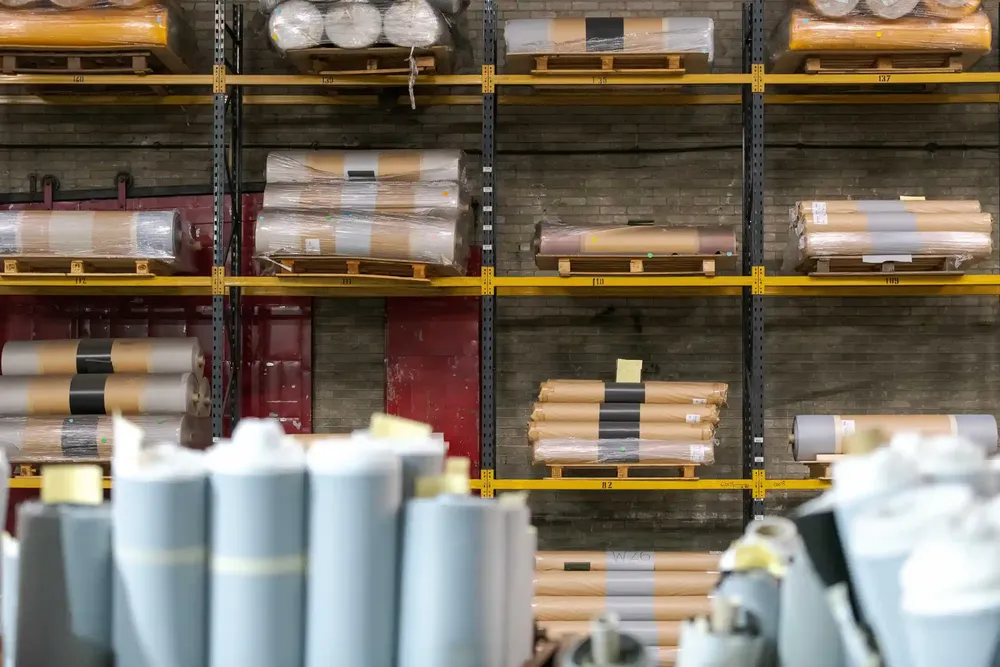
At Ambla, this balance sits at the heart of how we think about coated fabrics. Our materials are designed and manufactured in Lancashire with performance and design considered together - colour, texture and finish backed by the durability and practicality everyday use demands.
Because a material doesn’t have to be the loudest element in a room to affect everyone who uses it.
Look beyond the swatch
A sample is the start of a material decision, not the end of one. Explore Ambla’s collection of British-made coated fabrics, or request samples to consider how colour, texture and performance could work within your next project.