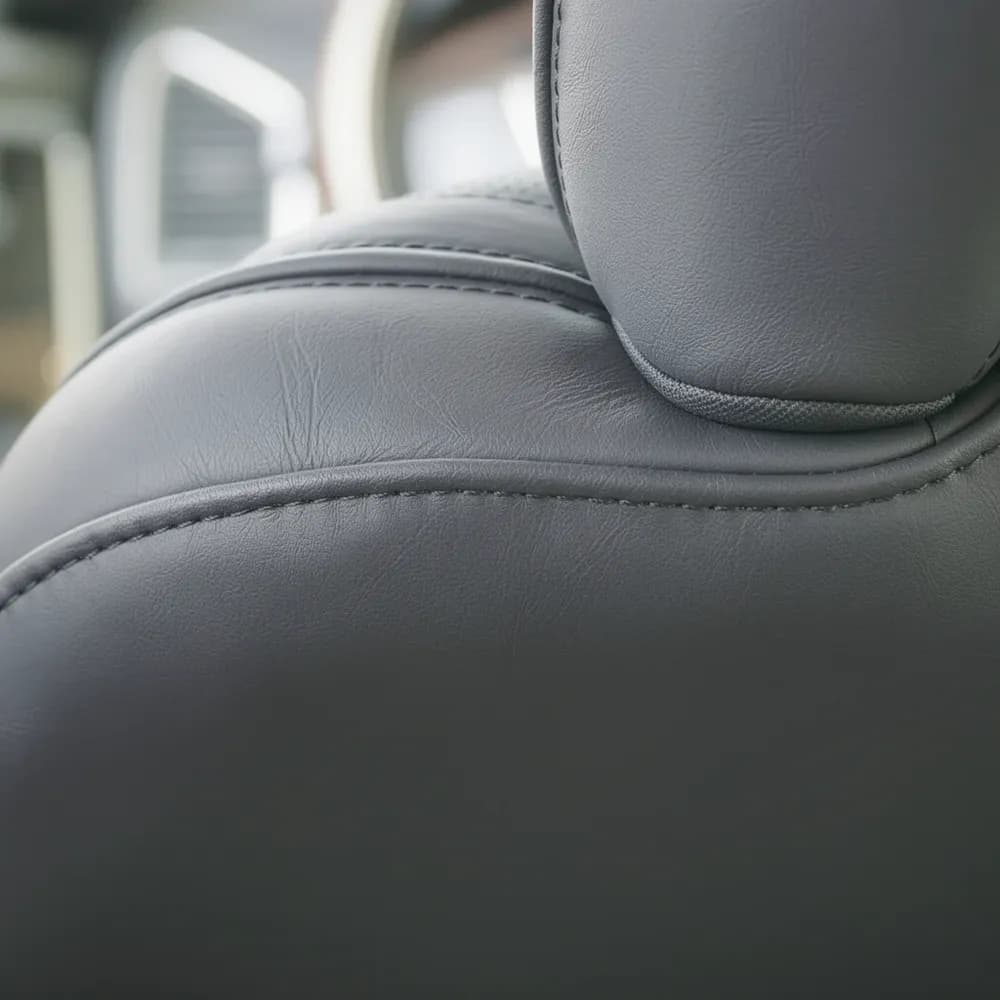
British-Made upholstery fabric: Does it actually make a difference?
The term ‘British-made upholstery fabric’ is often used as a simple label, but it actually means the material is designed, manufactured, and quality-checked here in the UK.
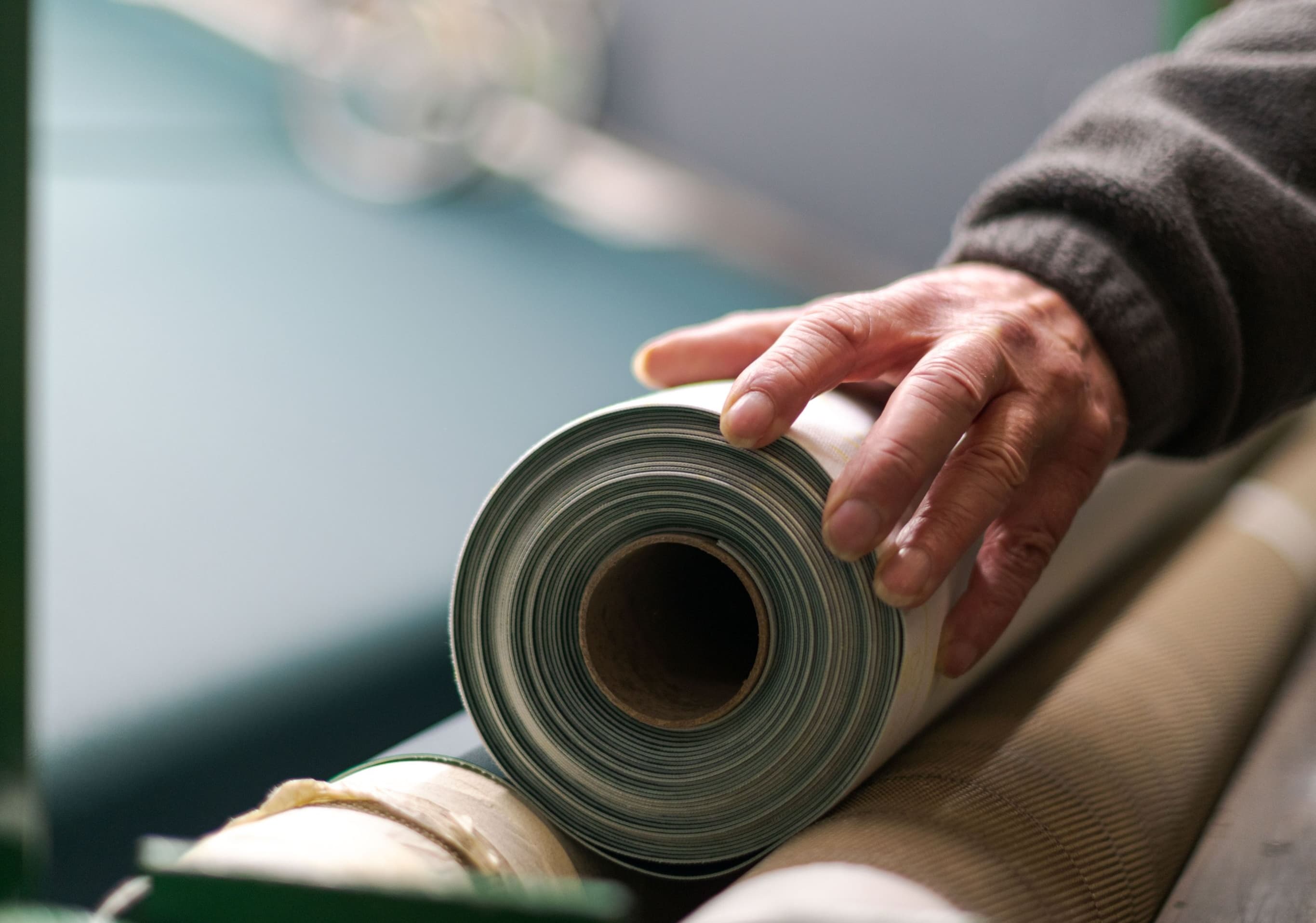
What does “British-made” really mean?
For specifiers and manufacturers, this proximity can matter. When materials are produced locally, there is greater visibility into how they are made, tested, and quality controlled.
In performance upholstery, especially for healthcare, transport, or hospitality, knowing what goes into the material matters just as much as how it looks.
When you work with a UK vinyl manufacturer, you can talk directly to the people who make the material, not just those handling the supply chain.
Why manufacturing proximity matters
Global supply chains make sourcing materials more complicated. Long shipping delays, extended lead times and limited visibility into production can all add uncertainty.
Local manufacturing brings everything closer together.
When upholstery materials are made in the UK, manufacturing, testing, and delivery all happen more directly. This makes it easier to manage decisions, especially when you need reliable timelines and consistent material quality.
If you work in a sector where seating gets heavy use and must meet strict standards, being close to the manufacturer helps you communicate clearly about testing and performance.
Knowing who makes your material
When specifying upholstery, the connection between the maker and the specifier often matters more than the sale itself.
If you can reach the manufacturer, you can talk directly with the team about performance, cleaning, durability, or compliance.
This provides a clearer understanding of:
- How the material is engineered
- How performance characteristics are tested
- How quality is maintained during production
Instead of going through several distributors, you can speak directly with the teams responsible for engineering the material.
Predictability in supply and delivery
People often overlook material availability as a risk in upholstery projects.
Long global supply chains can cause problems, especially if there are transport delays or production issues far from your project.
If upholstery fabrics are made and stored in the UK, logistics are simpler. Delivery usually means shorter trips and fewer outside factors to worry about.
For manufacturers, upholsterers, and specifiers, this predictability helps with clearer schedules and more confidence in planning.
Consistency from roll to roll
In upholstery, consistency is critical.
Differences in colour, coating, or finish can stand out quickly, especially in busy commercial spaces.
When coated fabrics are made near where they’ll be used, it’s easier to keep an eye on quality. Problems can be spotted early and fixed before lots of material goes out.
This level of control helps ensure materials perform and appear consistently across batches, particularly important in long or phased projects
Vinyl-coated upholstery fabrics are carefully engineered. How they perform depends on things like the coating formula, the base material, and how they’re made.
In the UK, manufacturers must also align with strict regulatory expectations across areas such as:
- Fire safety
- Hygiene requirements
- Durability and abrasion resistance
Making coated fabrics in the UK means testing and compliance can match these requirements directly.
For specifiers, knowing the material is engineered to meet regulations gives greater confidence that it will perform as needed in real-world settings.
What a 10-year guarantee should really mean
A long guarantee is often presented as a simple marketing claim. In practice, it should reflect confidence in the engineering and testing of a material.
A credible 10-year guarantee usually depends on several factors:
- Controlled manufacturing processes
- Rigorous durability testing
- Materials designed for long-term use
It also shows something less obvious: the manufacturer believes the material will keep performing over time.
For both specifiers and manufacturers, long-term reliability can be just as important as how the material looks or what it costs at first.
Is British-made upholstery fabric worth it?
For many commercial upholstery projects, local manufacturing brings real, practical benefits.
These include:
- Closer visibility into how materials are made
- Predictable supply and delivery
- Consistent manufacturing standards
- Direct access to technical expertise
Ultimately, specifying upholstery materials is rarely just about where they are made. It is about how reliably they perform, and how confidently they can be specified in demanding environments.
When local manufacturing brings clarity, accountability, and steady quality, it really can make a difference.
FAQs
Is British-made upholstery fabric more expensive?
Local manufacturing might cost more at first, but steady quality, reliable supply, and long-lasting materials can mean better value over time.
What makes a UK vinyl manufacturer different from an importer?
A UK manufacturer makes coated upholstery materials here, keeping direct control over the formula, how they’re made, and quality checks.
Does local manufacturing improve delivery times?
Shorter transport and simpler logistics usually mean more reliable delivery times.
Is a 10-year guarantee common in upholstery fabrics?
Not always. Longer guarantees usually show the manufacturer trusts the material’s durability and how it’s made.
Does local manufacturing make upholstery materials more sustainable?
Manufacturing location alone does not determine environmental impact. However, durable, long-lasting materials can help reduce the need for frequent replacement.
Related Products
A considered selection of materials connected to the themes, surfaces or applications explored in this piece.