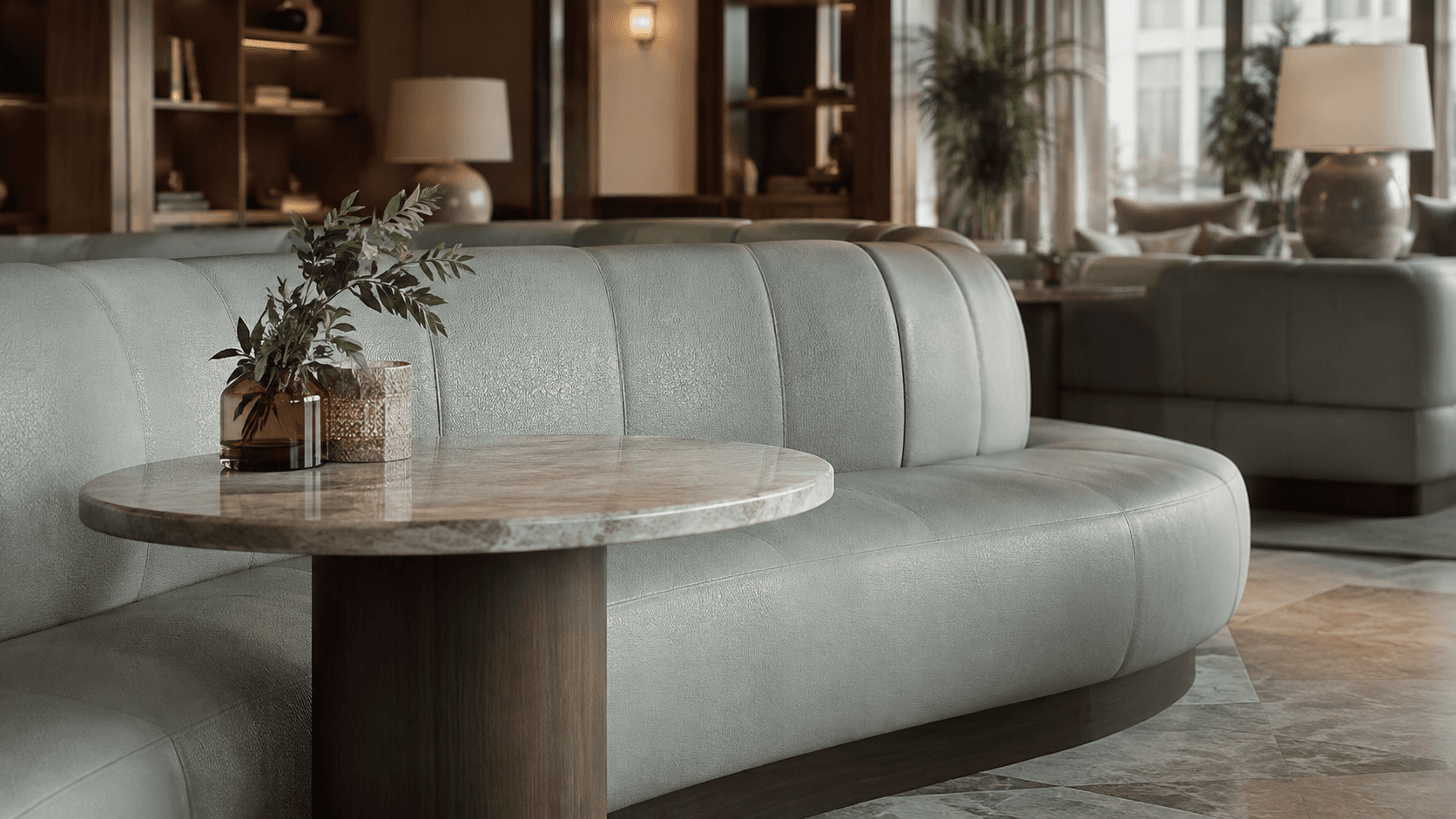
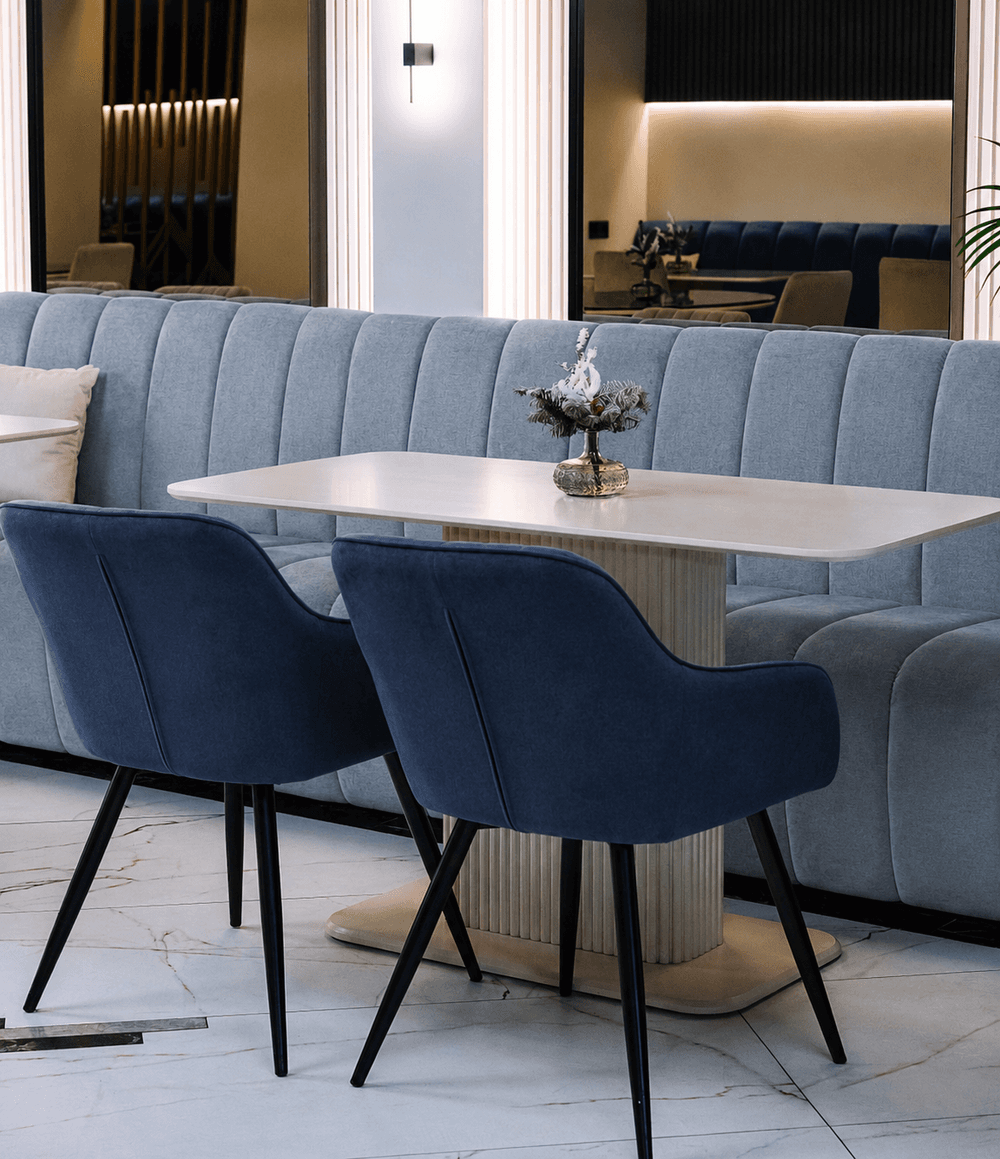
In this article, we explore what gives commercial hospitality interiors that lasting quality, and why timeless design is often shaped as much by what happens after opening day as the decisions made before it.
Opening day is the moment every hospitality project works towards. The furniture has arrived, the lighting has been adjusted for the final time, and every material looks exactly as it did on the original mood board.
From that point onwards, however, the interior begins to change.
A busy restaurant might serve hundreds of guests every week. Chairs are pulled in and out from tables thousands of times, banquette seating is cleaned between every service, and hotel reception areas see a constant flow of luggage, coffee cups and wet umbrellas.
As months become years, individual pieces of furniture are repaired or replaced, layouts evolve, and successful venues often refurbish one part of a space while the rest continues operating as normal.
None of those moments feature in the original design presentation, yet they often determine whether an interior still feels considered five or ten years later.
Perhaps that’s what timeless hospitality design is really measured by: not how a space looks on the day it opens, but how well it responds to everything that follows.
Contents
- What makes an interior timeless?
- Designed to evolve
- Built for everyday use
- Consistency over time
- Beyond short-lived trends
- Supporting the guest experience
- The Ambla perspective
What makes an interior timeless?
There is no single feature that makes a hospitality interior timeless. More often, lasting quality is the result of a series of thoughtful decisions that continue to support the space as it is used, maintained and adapted. They aren't necessarily the most obvious decisions, but together they help a space feel every bit as considered years later as it did when it first welcomed guests.
Most successful hospitality interiors tend to share five characteristics.
- They're designed to evolve.
- They're built for everyday use.
- They maintain consistency over time.
- They avoid chasing short-lived trends.
- They continue supporting the guest experience.
Designed to evolve
Firstly, it is crucial to remember that very few successful hospitality interiors remain exactly as they were when they first opened.
An extra banquette might be added after a busy first year. A hotel may refurbish guest rooms one floor at a time while continuing to welcome guests. Seating layouts are adjusted, reception spaces evolve, and individual furniture pieces are replaced as they reach the end of their service life.
None of these changes suggests the original design has failed. They're simply part of the life of a successful commercial interior.
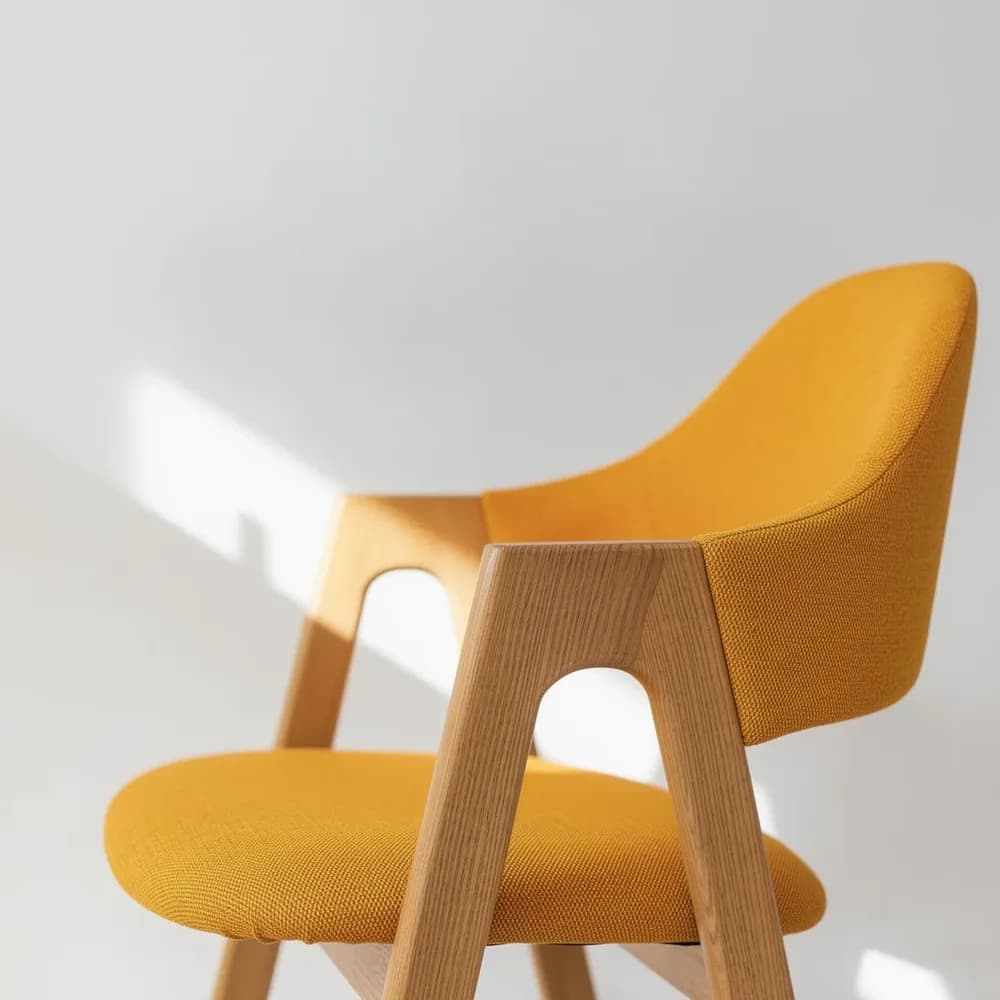
The challenge is making sure those changes don't interrupt the original design. New furniture, finishes and upholstery should feel as though they belong alongside what was specified from the beginning, allowing the space to evolve without losing its identity.
Timeless interiors aren't the ones that never change. They're the ones that continue to feel considered as they do.
Built for everyday use
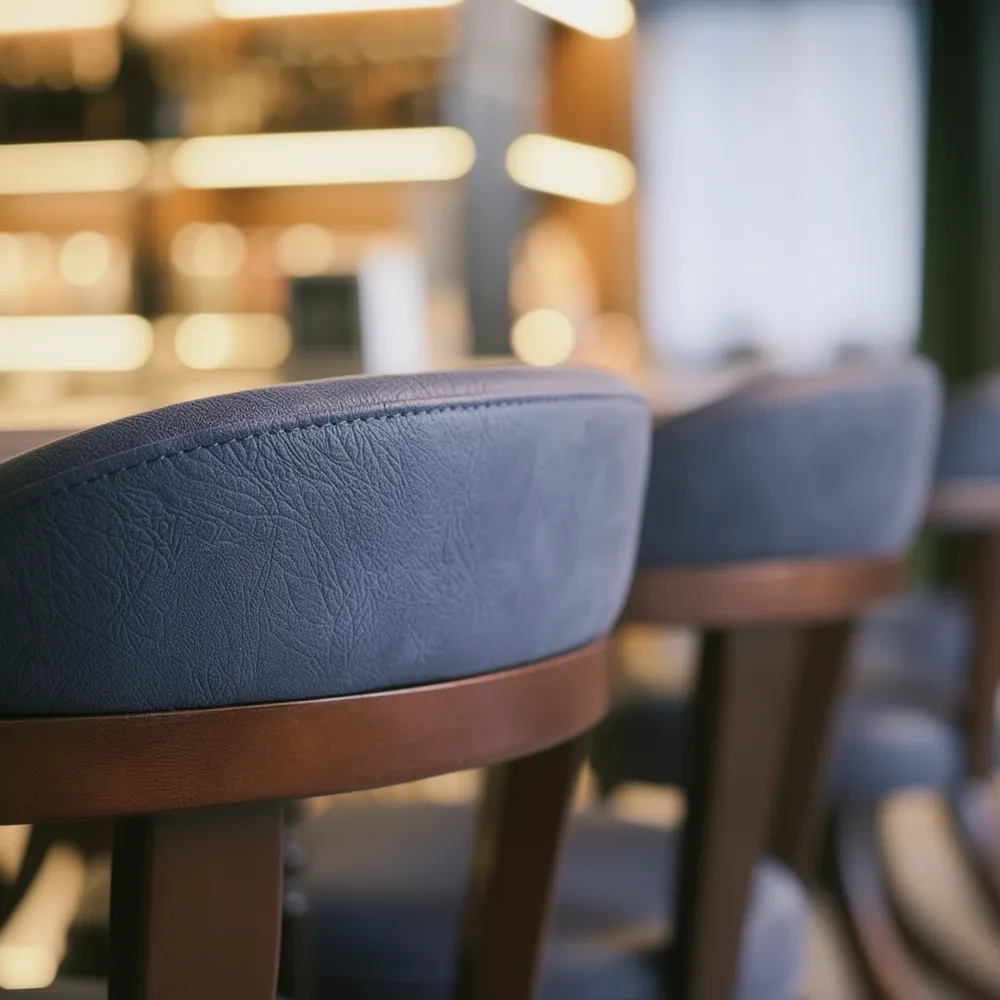
Secondly, hospitality interiors are among the hardest-working commercial spaces there are. Restaurant seating may be used by hundreds of people every week. Hotel reception areas see a constant flow of guests, luggage and movement throughout the day, while café seating is cleaned repeatedly between services.
That level of use doesn't automatically make an interior feel old. More often, it's how materials respond to years of everyday wear that shapes how a space is perceived.
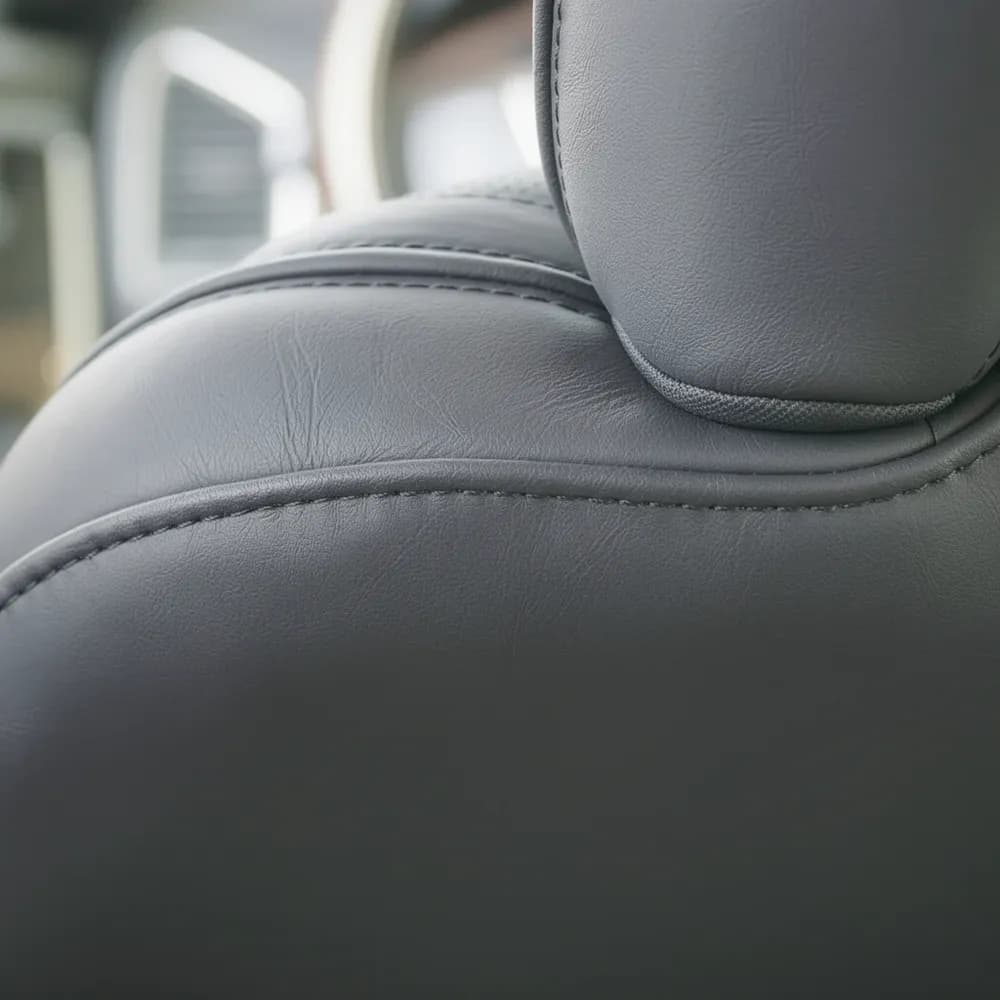
When upholstery retains its appearance, surfaces remain easy to maintain, and finishes continue to look as they were intended, the original design has a better chance of lasting well beyond opening day. It's these practical considerations, often invisible to guests, that quietly support the longevity of the space.
Consistency over time
One of the biggest challenges in hospitality interiors comes years after opening day.
Refurbishments rarely happen all at once. A restaurant might replace seating section by section, while a hotel updates guest rooms over several phases. New furniture sits alongside existing pieces, often while the venue continues trading.
To keep the original design feeling intact, consistency matters. That means being able to specify materials that remain true to the original in terms of:
- Colour
- Finish and texture
- Material availability
When those elements remain consistent, refurbishment feels like a continuation of the original design rather than a compromise. Years later, guests may never notice what's changed - and that's often the best measure of a timeless hospitality interior.
Continuity depends on more than selecting a colour once. It requires accurate records, reliable production standards and an early conversation about how the material may need to be supported in the future. Exact availability cannot always be assumed, but planning for phased refurbishment can reduce the risk of later compromise.
For many projects, that's one of the less obvious advantages of working with a British manufacturer; manufacturing in Britain provides closer oversight of production and quality control, as well as a more direct route for discussing future project requirements.
Beyond short-lived trends
Many hospitality interiors naturally reflect the time in which they’re designed. That isn’t a weakness. A space can feel contemporary, expressive and relevant without depending entirely on the visual signals of a single moment.
The most enduring interiors tend to be built around materials, colours and finishes that continue to feel appropriate as tastes evolve.
Trends can introduce energy, character and freshness. The risk comes when they replace a stronger underlying material and spatial language rather than adding to it.
That doesn't mean timeless interiors have to feel neutral or predictable. Character often comes from thoughtful combinations of colour, texture and detail rather than bold statements that may soon fall out of fashion.
The result is an interior that continues to feel relevant, even as tastes gradually evolve.
Supporting the guest experience
Finally, ask someone what they remember about a favourite restaurant or hotel, and they're unlikely to mention the upholstery. They'll remember the atmosphere. The conversation. The food. The people they were with.
That's exactly how it should be.
The best hospitality interiors mean the customer experience takes centre stage. Materials support the space quietly, providing comfort, consistency and durability without competing for attention.
When they continue performing as intended, guests rarely notice them at all. They simply remember a place that still feels every bit as welcoming as it did the last time they visited.
The Ambla perspective
At Ambla, decades of coated-fabric manufacturing have shown us that the life of an interior often depends on decisions that are barely visible on opening day.
How does a surface respond to repeated cleaning? How well do its colour and finish hold through everyday use? And how confidently can the original specification be supported when the space begins to change?
Timeless interiors are rarely the result of a single design decision. More often, they’re shaped by a series of considered material choices that continue supporting the original vision through years of use, maintenance and gradual change.
Because when materials continue performing as intended, the design they support has the opportunity to do the same.
If you'd like to learn more about how Ambla's British-manufactured coated fabrics support commercial interiors across healthcare, hospitality and workplace environments, explore our collections or speak to our team.