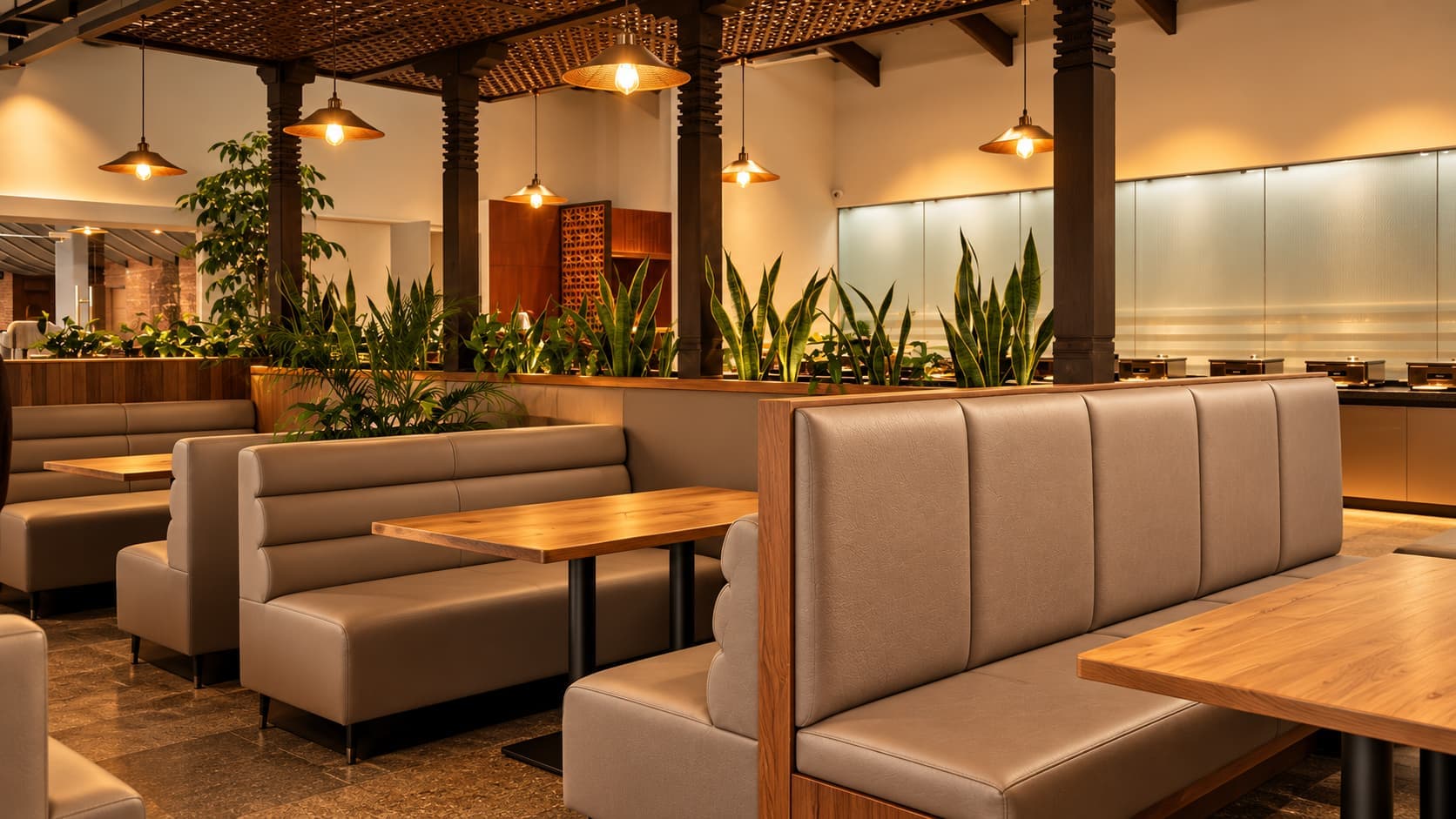
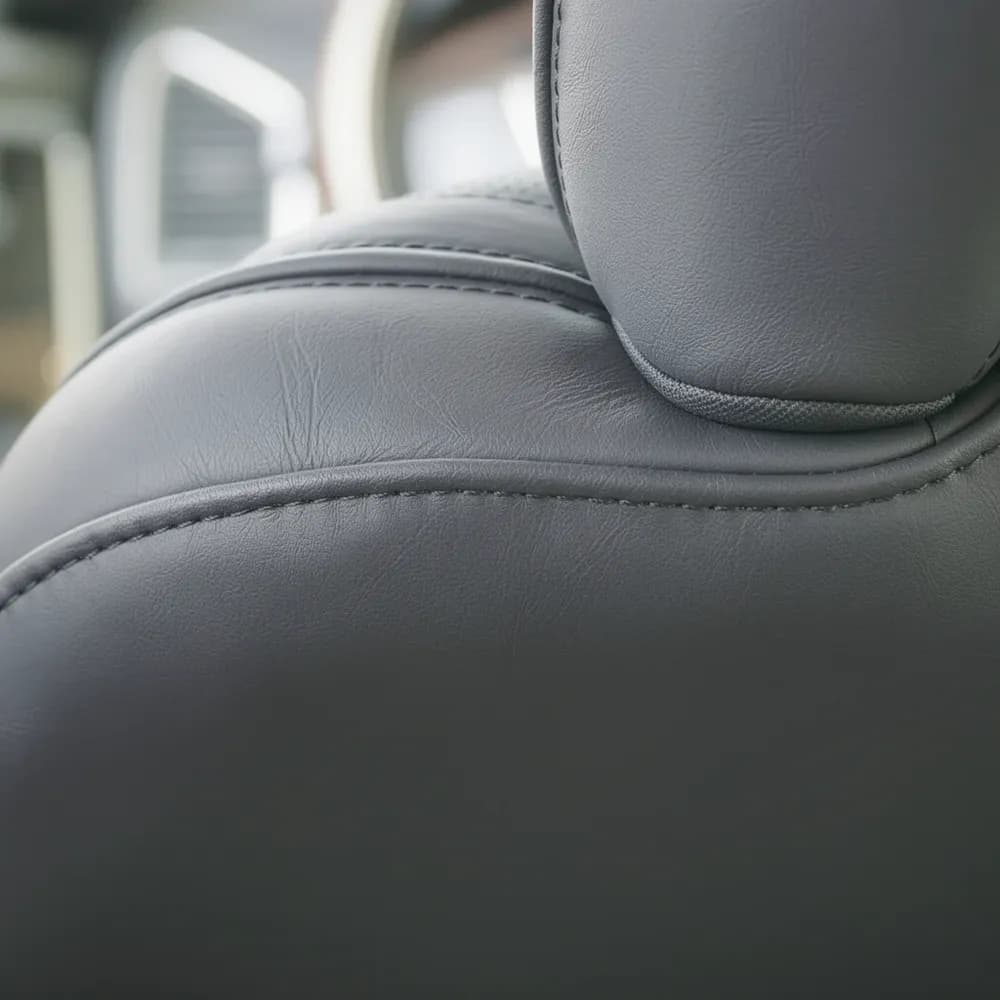
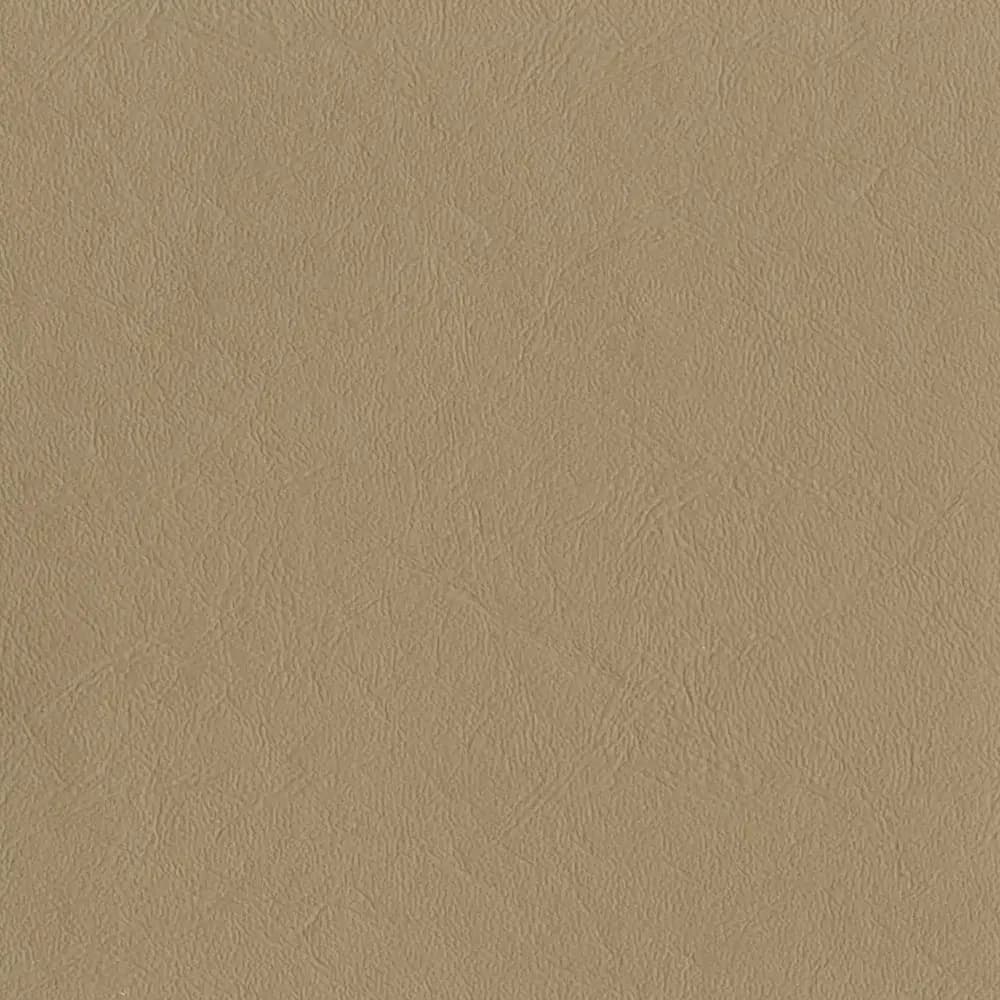
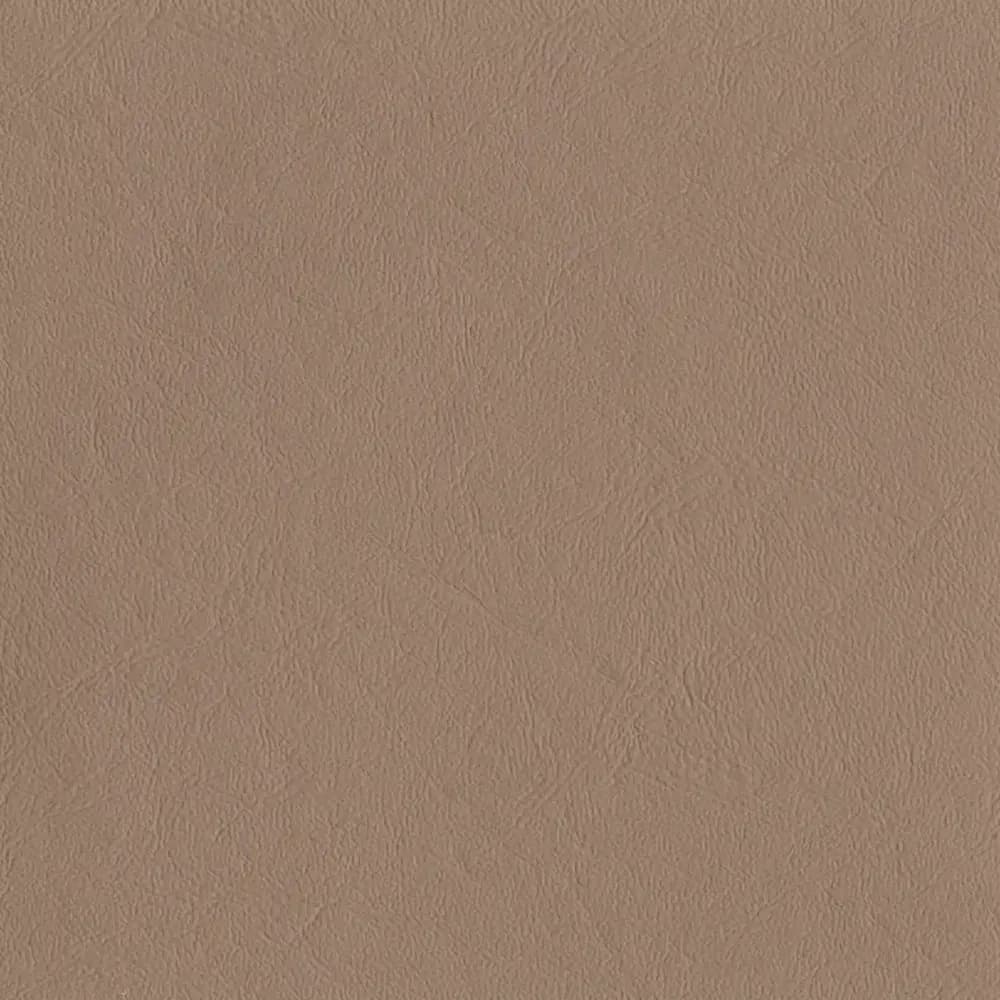
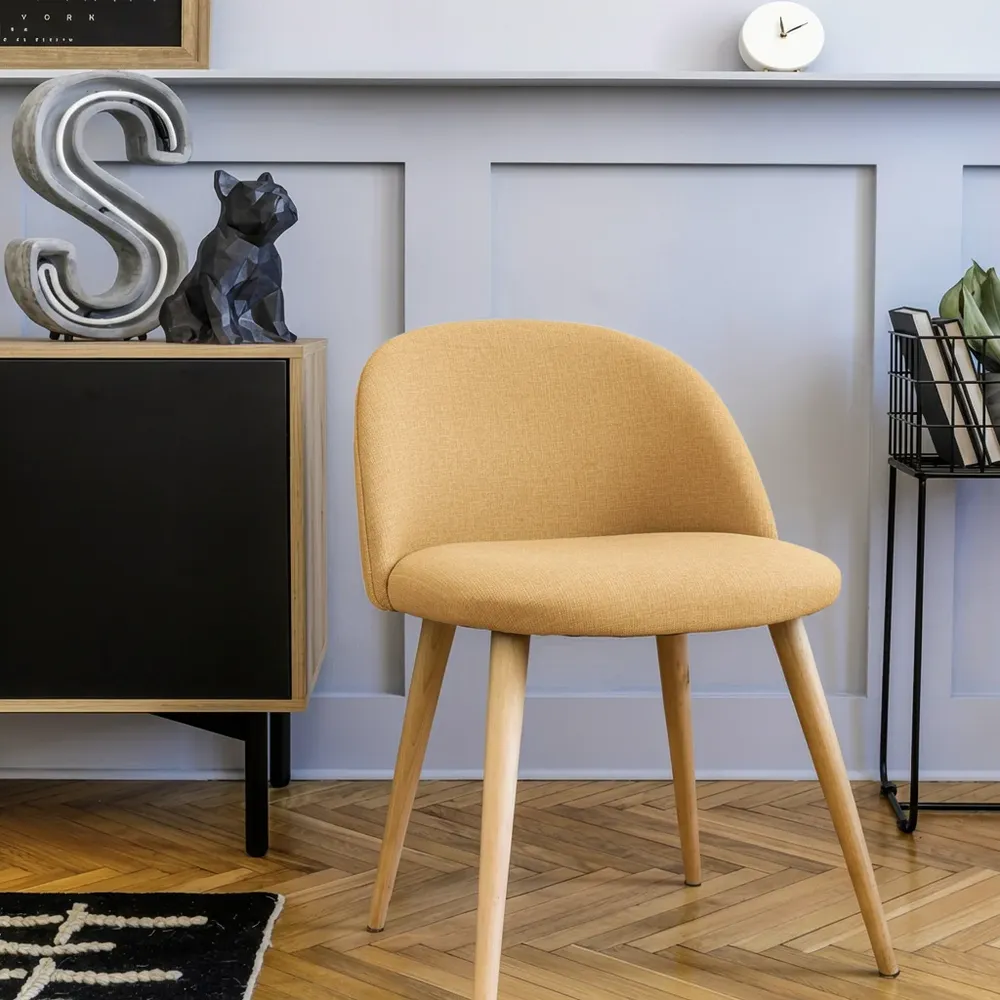
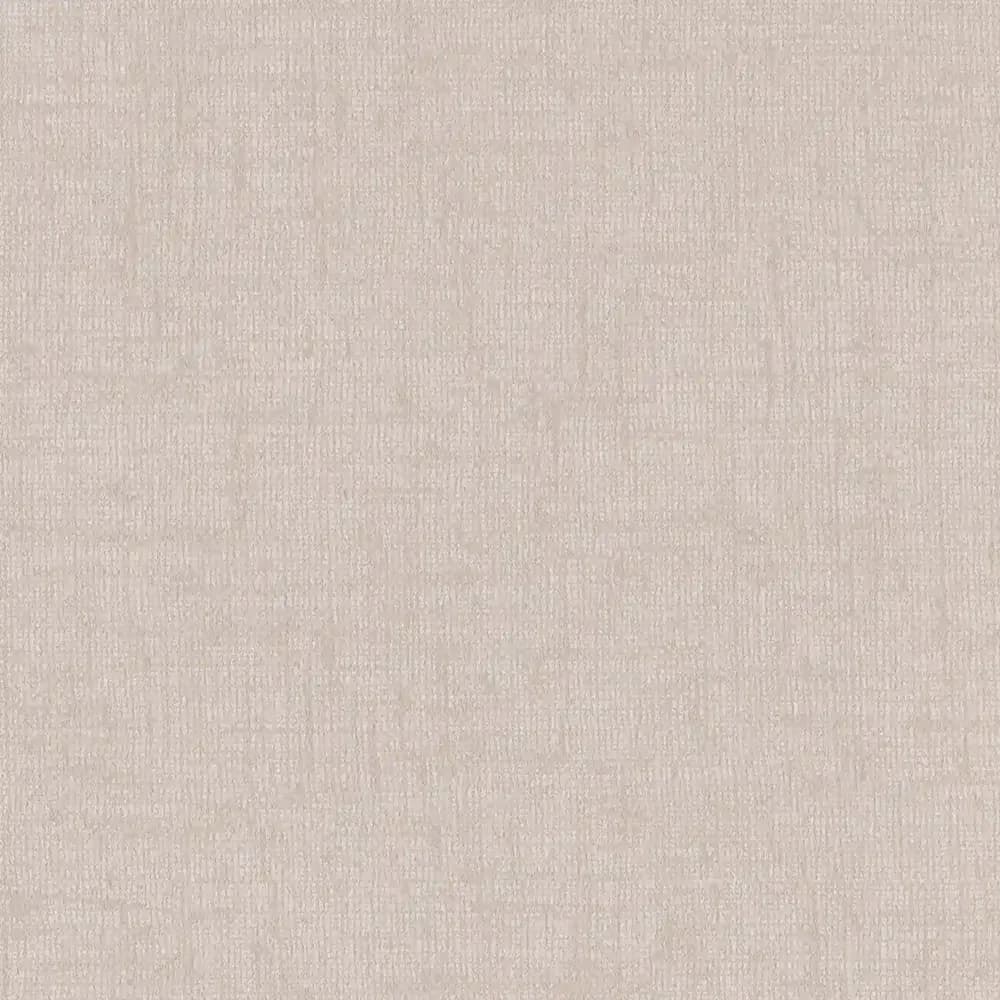
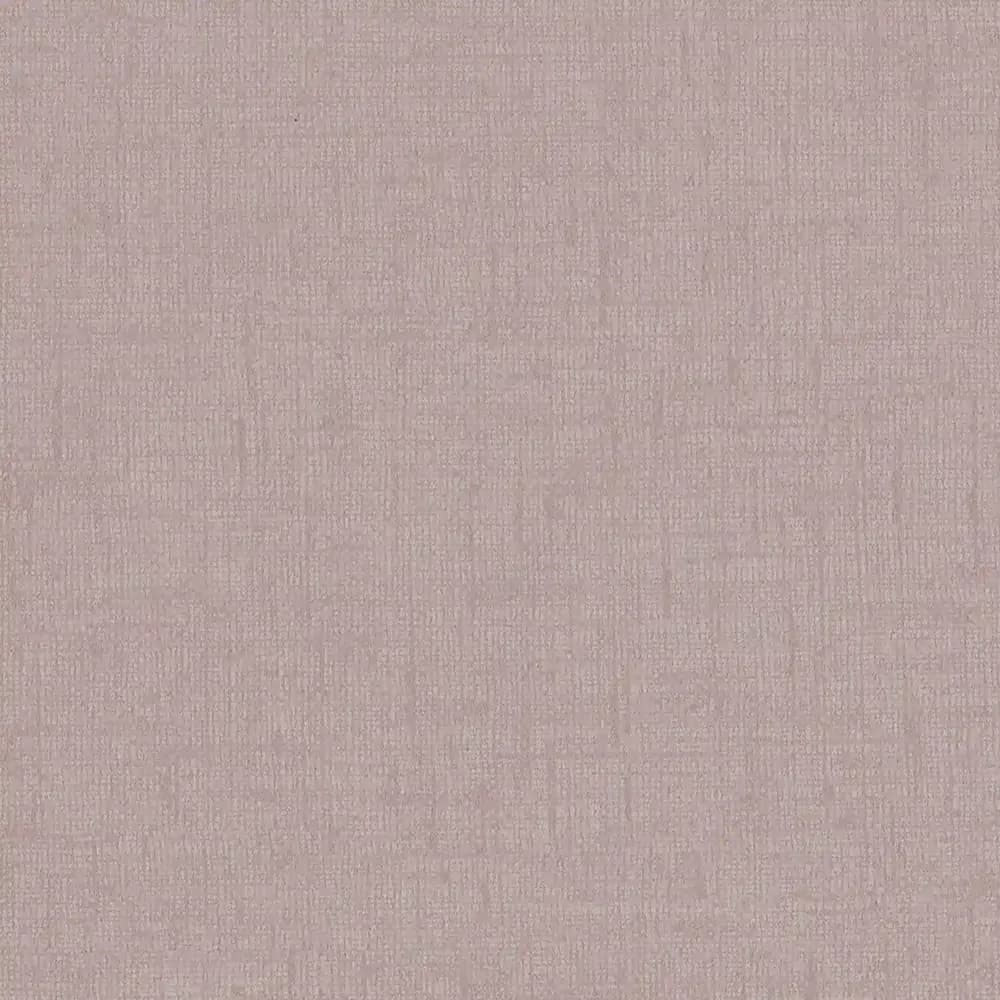
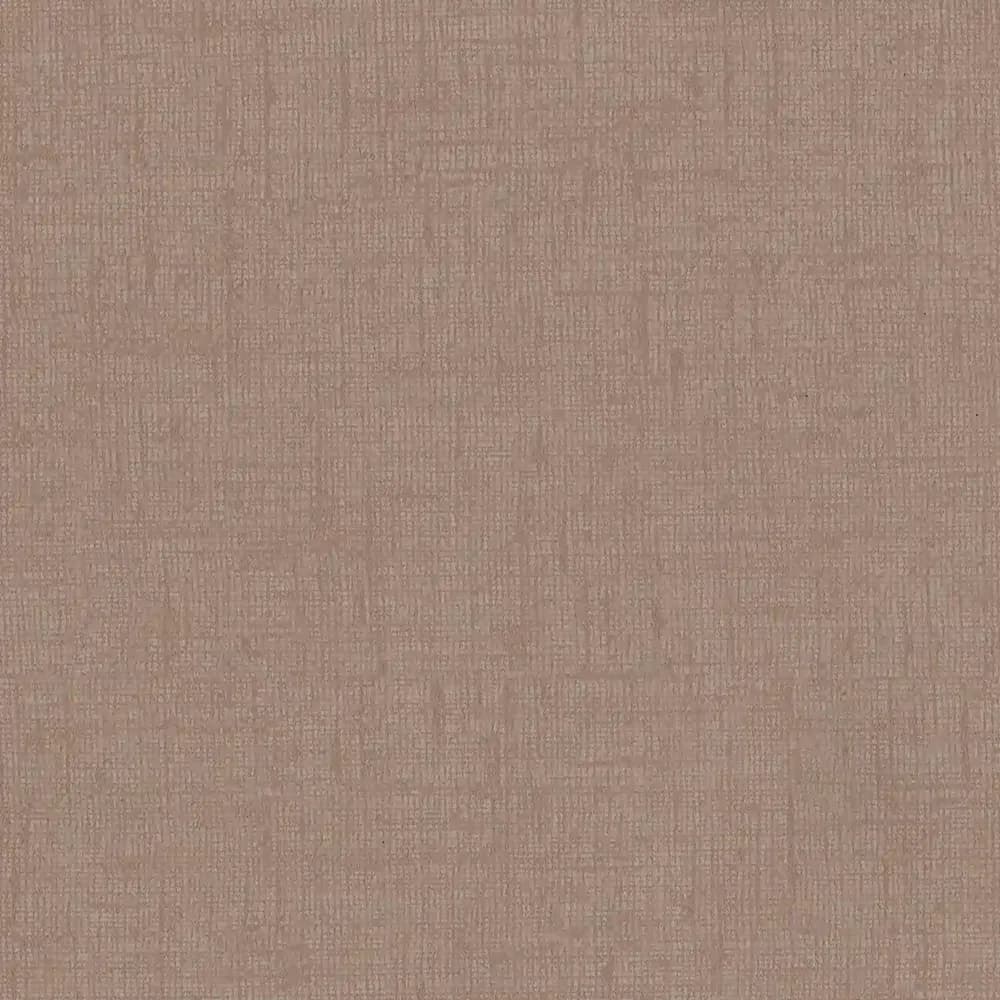
A material can be carefully chosen for its colour, texture and performance, yet one of the most important questions about its future is often left until much later: how will it actually be cleaned?
Once an interior is in use, cleaning becomes part of the material's everyday life. Upholstery encounters spills, repeated contact, dirt and, depending on the environment, frequent cleaning or disinfection. That makes cleanability more than a maintenance concern - it is part of material performance, with direct implications for appearance, durability and how long a surface remains fit for purpose.
Thinking about it at the point of specification means considering the reality of the finished environment, rather than simply how a surface looks when it is new.
Table of Contents
- Cleanability is part of material performance
- Different environments create different demands
- Cleaning and material compatibility need to work together
- Appearance, durability and the maintenance connection
- Hygiene performance does not replace good cleaning practice
- Better specification starts with realistic questions
1. Cleanability is part of material performance
When evaluating an upholstery material, attention naturally falls on colour, texture, handle, durability and the relevant technical requirements. Cleanability can seem secondary - particularly at the point of specification, when the focus is on how a material looks and feels.
Once installed, though, cleaning becomes routine. A frequently used surface may be cleaned repeatedly throughout its life, so how it responds to that maintenance is itself an important part of long-term performance.
The real question isn't whether a spill can be removed. It's whether the material can be maintained the way the finished environment actually requires, without compromising its appearance or integrity over time. A material can have excellent physical durability and still be poorly suited to a particular maintenance regime - so cleanability needs to be weighed alongside the other practical requirements from the outset, rather than treated as a care instruction added on after everything else has been decided.
2. Different environments create different demands
There's no single definition of an easy-to-clean interior, because the demands on a surface depend on where and how it's used. A hotel lounge needs regular cleaning that preserves colour and finish. A busy workplace has to contend with food and drink spills. Public transport brings high passenger turnover and intensive daily use. Healthcare environments often require structured disinfection protocols.
These differences matter because cleaning isn't defined by frequency alone. Routine dirt removal is different from disinfection; occasional spot cleaning is different from a prescribed process carried out several times a day. The products, concentrations, methods and frequency involved can all place different demands on the material.
That makes "Can it be cleaned?" too broad a question to be useful during selection. A better one is: "Can it be cleaned in the way this environment actually requires?" Answering that at the point of specification avoids discovering, once the interior is in use, that a surface which looked right for the scheme isn't suited to how the space needs to operate.
3. Cleaning and material compatibility need to work together
More aggressive cleaning doesn't mean better cleaning. The products and methods used need to suit the material itself, especially when that process will be repeated throughout its working life.
Cleaning is the result of several interacting factors: the material, the type of contamination, the cleaning agent and its concentration, the application method and the frequency of cleaning. A process that works well in one setting can be inappropriate in another.
For Ambla coated fabrics, everyday maintenance is intentionally straightforward: mild soap and a soft-bristle brush are recommended for routine care. Where stronger cleaning is required, specified chlorine-based agents and appropriately diluted disinfectants can be used in line with Ambla's published care guidance, followed by thorough rinsing with clean water. Solvents, abrasive cleaners, wax polishes and aerosol sprays fall outside Ambla's recommended care approach.
The wider principle is simple: care guidance is part of the material specification, not an afterthought. Knowing how a surface should be maintained - and confirming that approach is realistic for the environment - helps protect the material long after specification is finalised.
4. Appearance, durability and the maintenance connection
A successful interior isn't judged only on the day it's completed. Upholstery in particular is touched frequently, viewed at close range and exposed to concentrated wear, spills and repeated cleaning - so changes to its appearance can have a disproportionate effect on how the wider interior is perceived. A material that can be maintained appropriately is better placed to retain the visual and tactile qualities that made it right for the scheme in the first place.
The same logic applies to durability. Physical tests like abrasion resistance are useful for comparing materials, but an installed surface experiences more than mechanical wear - it encounters body oils, food and drink, dirt, and the cleaning processes used to remove them, often several times a day for years. There's limited value in specifying a surface for intensive use if the cleaning regime it subsequently encounters causes premature deterioration.
In both cases - appearance and durability - cleanability is the connecting factor. A material that can be cleaned appropriately is better placed to remain in service while retaining the appearance for which it was originally chosen.
5. Hygiene performance does not replace good cleaning practice
In environments where hygiene matters, additional material properties can help - but they should be understood for what they do, not treated as a substitute for an appropriate cleaning regime.
Ambla materials incorporate an antimicrobial additive within the material itself, rather than relying solely on a surface-applied treatment, to help protect against mould and mildew growth, with the additive designed to remain effective through regular cleaning. That doesn't remove the need to clean the surface.
Antimicrobial technology and cleaning do different jobs: one is an engineered characteristic designed to help protect the material; the other is an active process that removes contamination from it. Where hygiene requirements are significant, the more useful approach is to consider the whole system - surface construction, cleanability, durability, any relevant material technologies, and the cleaning procedures the environment actually requires.
6. Better specification starts with realistic questions
Terms like "easy clean" are convenient but reveal very little on their own. Good specification means asking practical questions early:
- What is the surface likely to encounter?
- How often will it need to be cleaned?
- Are particular cleaning or disinfecting products already prescribed on site?
- Who will be responsible for maintaining it - and is the recommended care process realistic within their normal routine?
Where stronger disinfectants or more intensive procedures are required, compatibility should be established before installation, not discovered through use. Care guidance should be clear, accessible and practical enough for the people actually maintaining the space to follow.
A surface that fits naturally into the maintenance requirements of its environment is more likely to be cared for correctly, and less likely to be subjected to unnecessarily aggressive or unsuitable methods. This has consequences beyond day-to-day appearance: when a material becomes unacceptable before the end of its potential working life, replacement brings additional material use, labour, disruption and waste.
Designing materials to perform over time - and providing clear guidance on how to maintain them - reflects Ambla's emphasis on durability and longevity.
Good specification anticipates use rather than responding to it after problems appear. The best time to think about cleaning isn't when the first mark appears - it's when the material is being chosen.
Choosing a material for a demanding interior?
If cleaning and maintenance are important considerations for your project, speak to the Ambla team about material suitability, care guidance and relevant performance requirements before you specify.
Talk to Ambla about your project on 01282 842 511.