



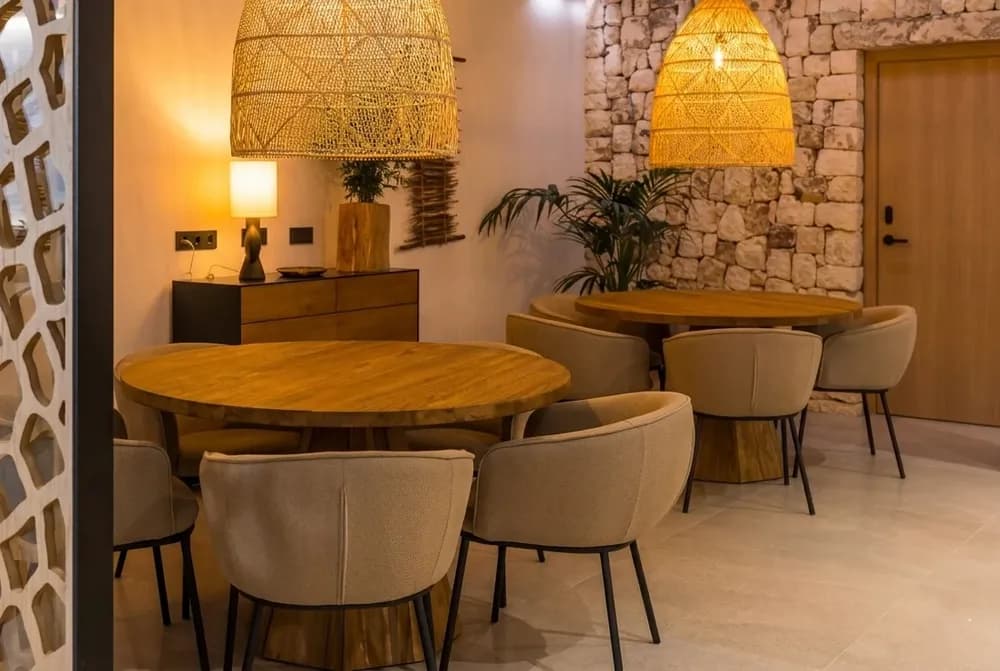
Inspirations
The best upholstery fabric for hospitality seating
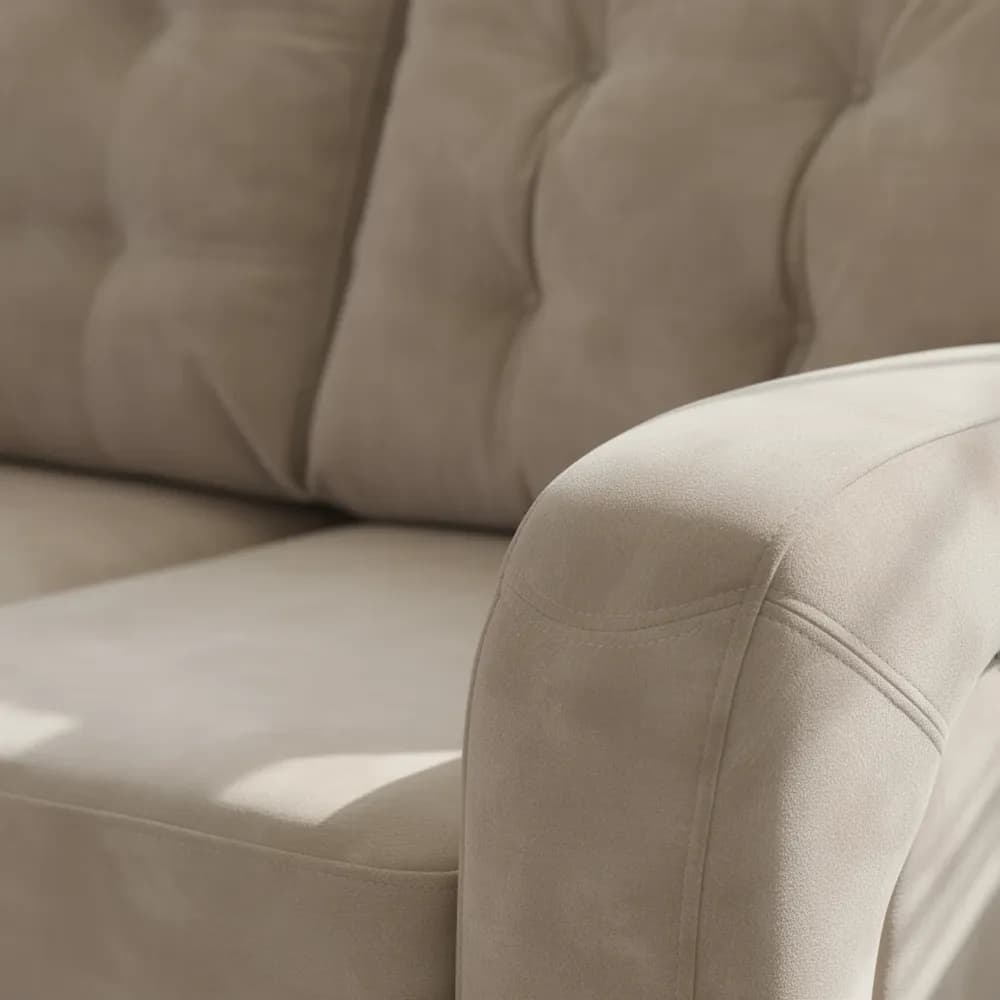
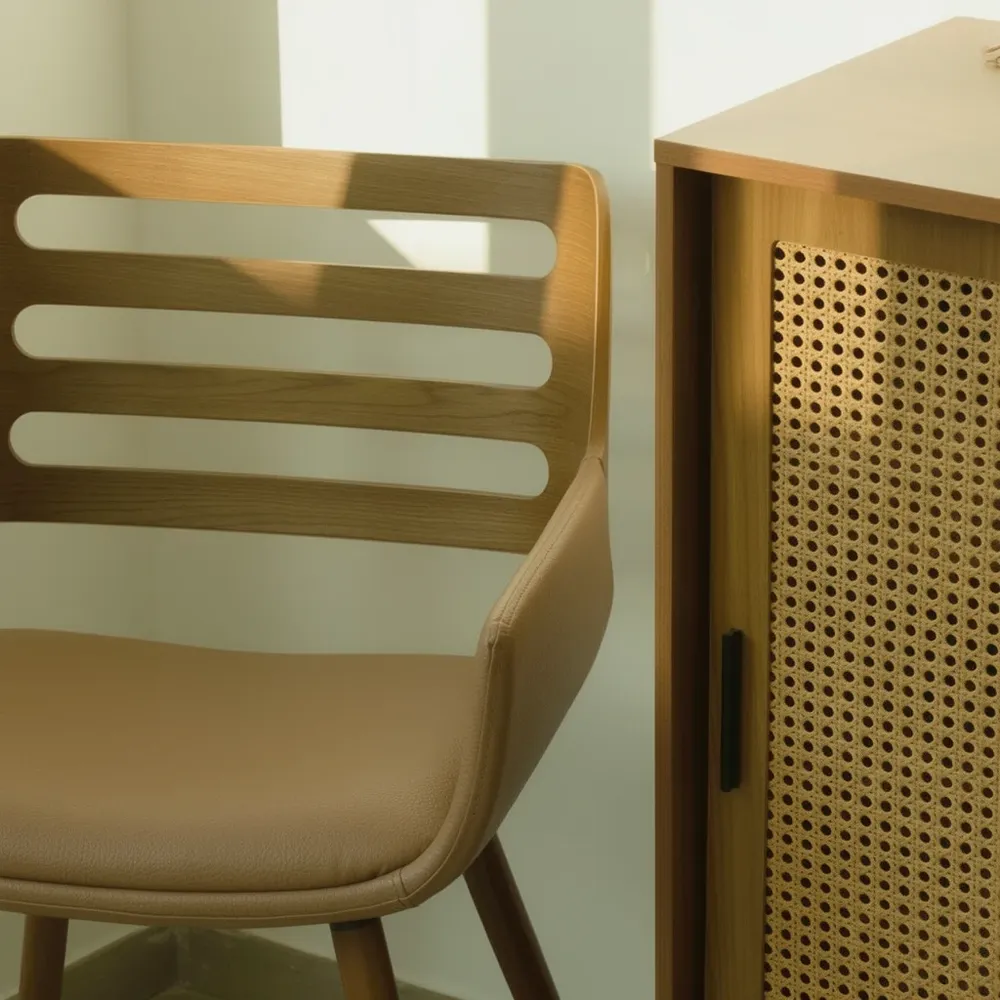
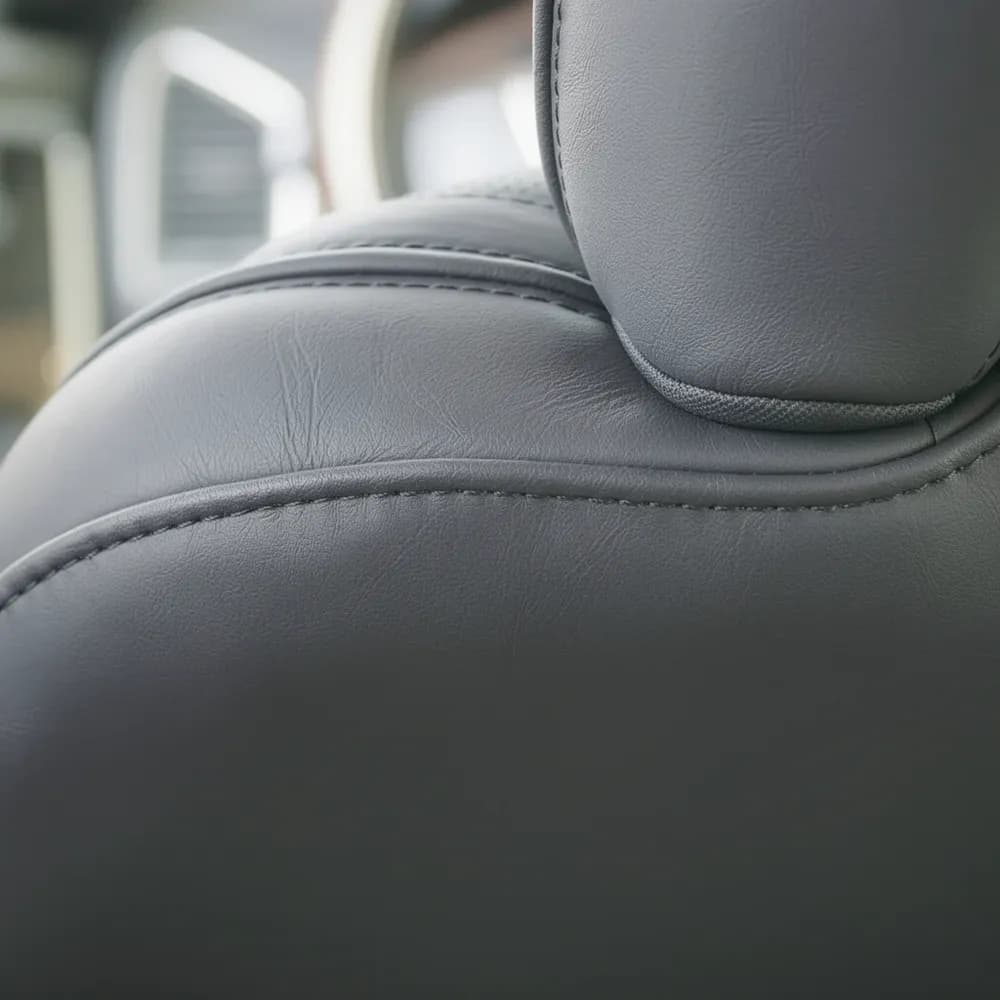
Upholstery materials for hospitality settings must perform under constant use while maintaining appearance over time.
Walk through any busy hotel, workplace or restaurant and you'll notice something interesting. Some interiors still feel fresh years after they opened, while others already seem to belong to another era.
That difference isn't always down to budget or craftsmanship. Often, it's the decisions made at the specification stage. Materials, colours and finishes all have a surprisingly long influence over how a space is perceived.
Creating an interior that lasts means thinking beyond durability. The challenge is to specify materials that continue to feel appropriate as expectations, brands and ways of working evolve.
Here are five reasons commercial interiors often date long before they wear out.
Spend enough time visiting hotels, offices or cafés and they can begin to blur together.
Nothing feels particularly wrong, but very little stands out either.
That's often the consequence of designing for the safest option. The space functions exactly as intended, yet it never develops much of an identity. As tastes change, those anonymous interiors can feel dated surprisingly quickly.
The spaces people continue to enjoy usually have something that holds them together. It isn't always a dramatic architectural feature or an expensive fit-out. More often, it's a carefully considered combination of materials, colours and textures that gives the interior its own character.
Distinctive doesn't have to mean bold. It simply means making choices that feel intentional rather than interchangeable.
Every design era leaves its fingerprints behind.
A few years ago, it might have been deep forest greens and ribbed wall panelling. Before that, polished concrete and exposed pipework dominated commercial interiors. Today's trends will eventually give way to something else.
There's nothing wrong with responding to changing tastes. The challenge comes when permanent elements of an interior become tied to fashions that move much faster than the furniture itself.
Lighting, artwork and accessories can be updated relatively easily. Upholstered seating and fixed finishes are different. Those choices are expected to perform for years, so they're often better served by materials with broader, longer-lasting appeal.
Designing with flexibility in mind makes future updates much simpler - and often much less expensive.
A material can be beautifully made and still be the wrong choice.
Think about the difference between a boutique hotel lounge and a busy healthcare waiting area. Both might use upholstered seating, but they ask completely different things of the materials surrounding them.
Specification isn't simply about choosing the highest-performing product. It's about understanding where that product will be used.
Natural light, footfall, cleaning regimes, surrounding finishes and the atmosphere of the space all influence whether a material feels comfortable in its surroundings. The best specifications acknowledge both performance and context.
People rarely judge an interior by appearance alone.
We've all sat in chairs that looked immaculate but never felt particularly comfortable. It changes the way we experience the whole environment.
That's why upholstery specification extends beyond abrasion resistance or cleanability. Texture, softness and the way a material performs day after day all contribute to how a space is remembered.
Comfort is difficult to measure, but it's surprisingly easy to notice when it's missing.
Commercial interiors tell people something before a word has been spoken.
A hotel, workplace or healthcare environment should feel consistent with the organisation behind it. Materials play an important role in creating that impression because they're among the elements people interact with most often.
When interiors are designed around a clear identity rather than a passing fashion, they tend to age more gracefully. They don't need to keep reinventing themselves because they were never trying to imitate the latest trend in the first place.
The most enduring commercial spaces often feel authentic rather than fashionable.
Commercial interiors are expected to work hard. They have to withstand daily use, support the people using them and continue representing a brand long after the project has been completed.
For that reason, specification isn't simply about meeting today's requirements. It's about making choices that still make sense years from now.
At Ambla, we manufacture high-performance coated fabrics in Lancashire for commercial interiors across hospitality, healthcare, workplace and transport. Every collection is developed to balance practical performance with considered design, helping specifiers create interiors that continue to work long after the opening day.
Looking for coated fabrics that combine durability with thoughtful design? Explore our collections to find materials developed for demanding commercial environments.
Materials can continue performing well for many years, but design preferences and user expectations change much more quickly. Colours, finishes and layouts that once felt contemporary may gradually lose their relevance, even though they're still fit for purpose.
Longevity starts with thoughtful specification. Choosing materials that balance durability with timeless design gives interiors greater flexibility to evolve without requiring frequent refurbishment. It's also worth considering which elements can be updated over time, such as lighting or accessories, and which are intended to remain in place for years.
Materials influence far more than durability. They affect how a space looks, feels and performs every day. The right specification considers practical requirements alongside factors such as texture, colour, maintenance and the overall character of the environment.
Yes. Coated fabrics are widely specified across hospitality, healthcare, workplace and transport settings because they're designed to withstand demanding conditions while remaining easy to maintain. The suitability of any material will always depend on the requirements of the individual project.
Interiors that remain functional and visually relevant for longer are less likely to require premature replacement or refurbishment. Specifying durable materials that continue to perform over time can help reduce unnecessary waste and extend the life of the finished space.
Ambla's coated fabrics are manufactured in Lancashire for commercial environments where durability, cleanability and design all matter. Developed for sectors including hospitality, healthcare, workplace and transport, the collections are designed to support long-term performance without compromising on appearance.
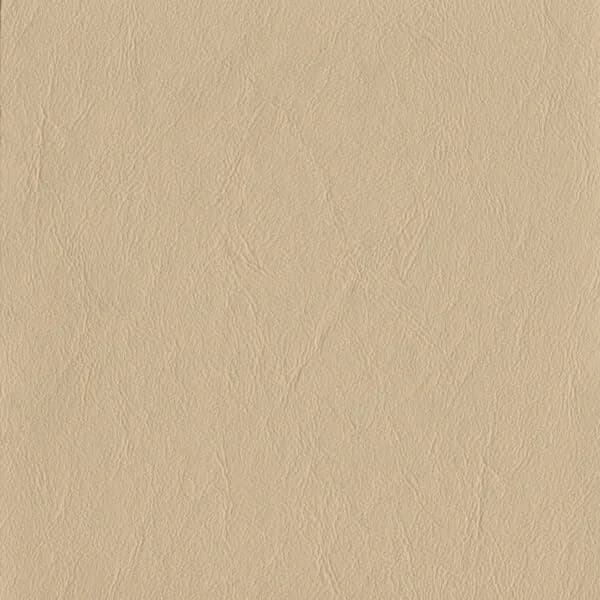
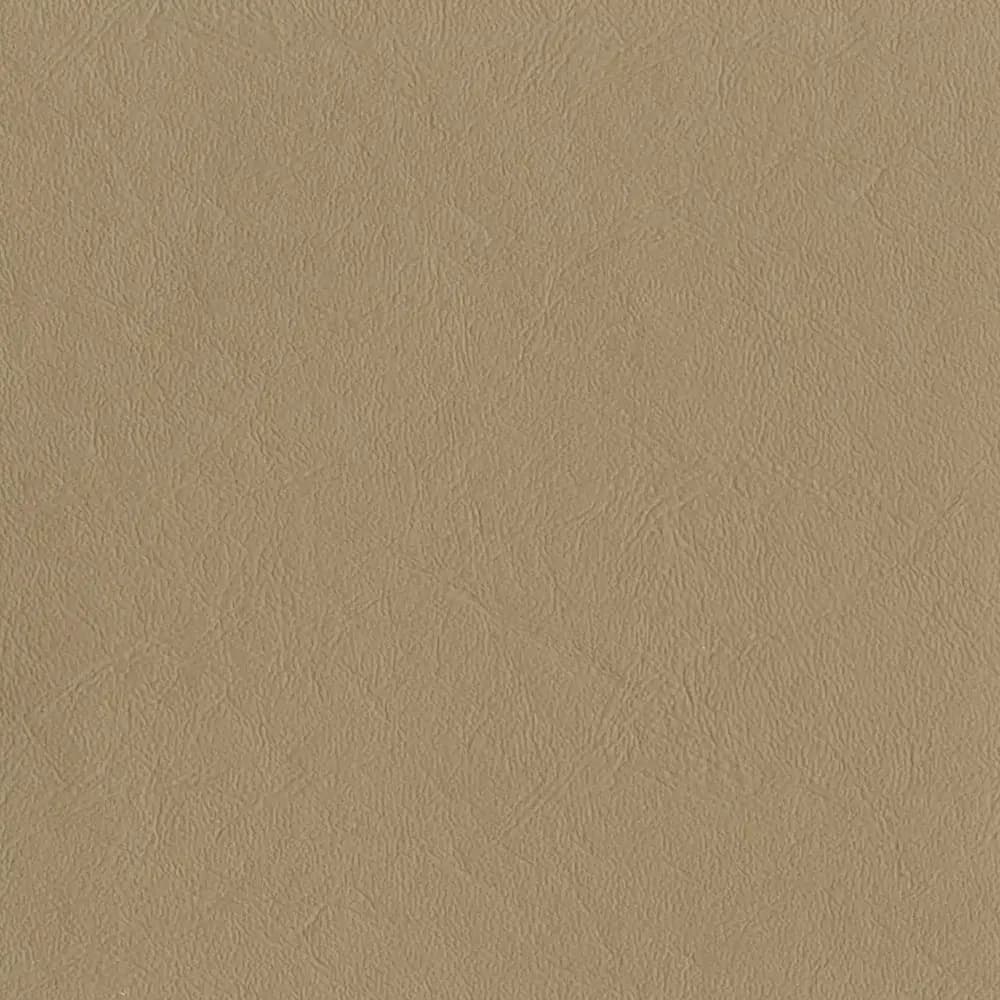
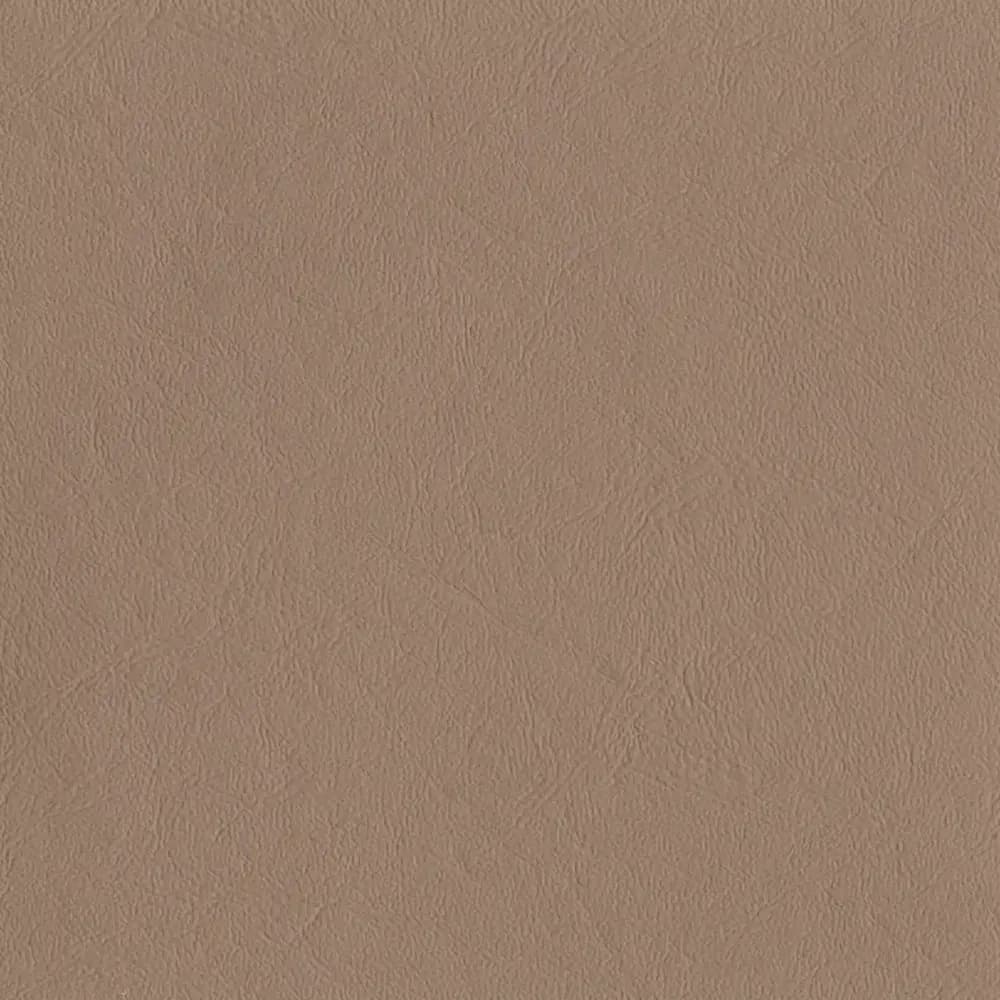
A considered selection of materials connected to the themes, surfaces or applications explored in this piece.
Thoughtful perspectives on materials, environments and the standards that define them. Where material knowledge meets real-world application across the sectors we serve.
Upholstery materials for hospitality settings must perform under constant use while maintaining appearance over time.
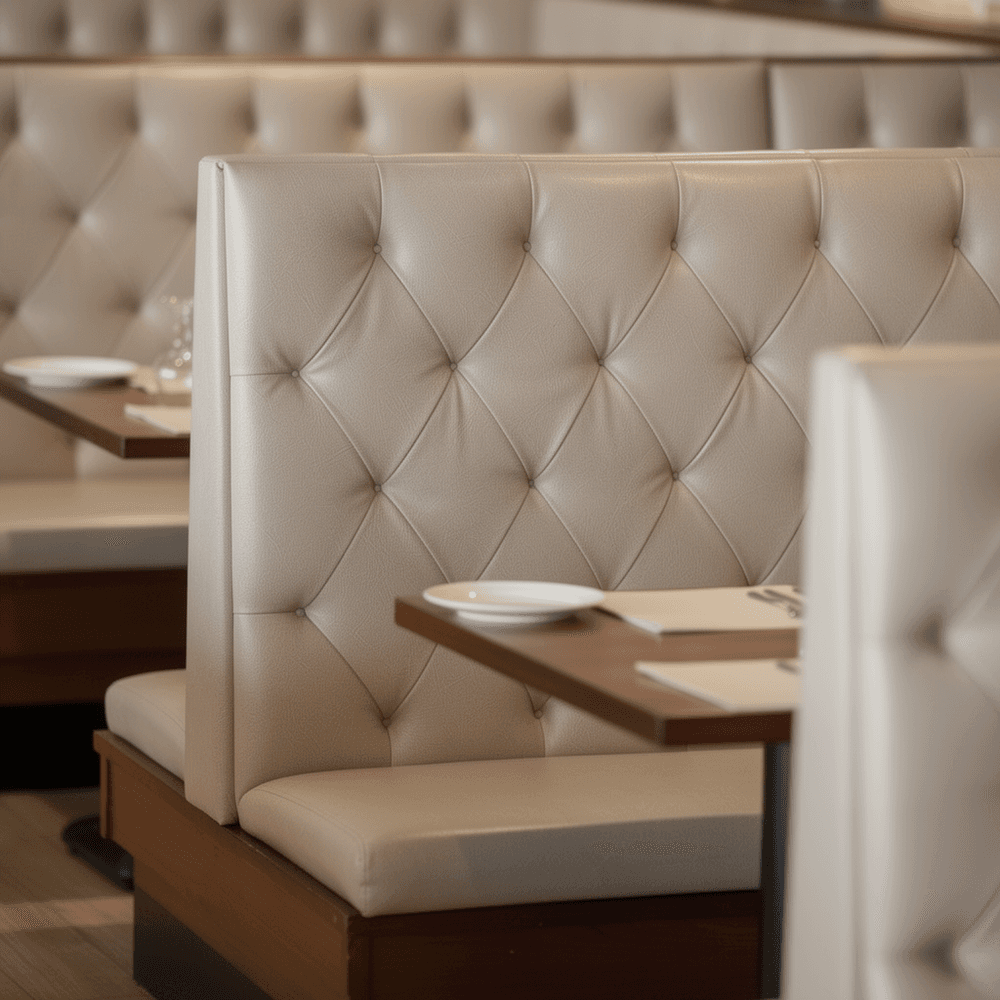
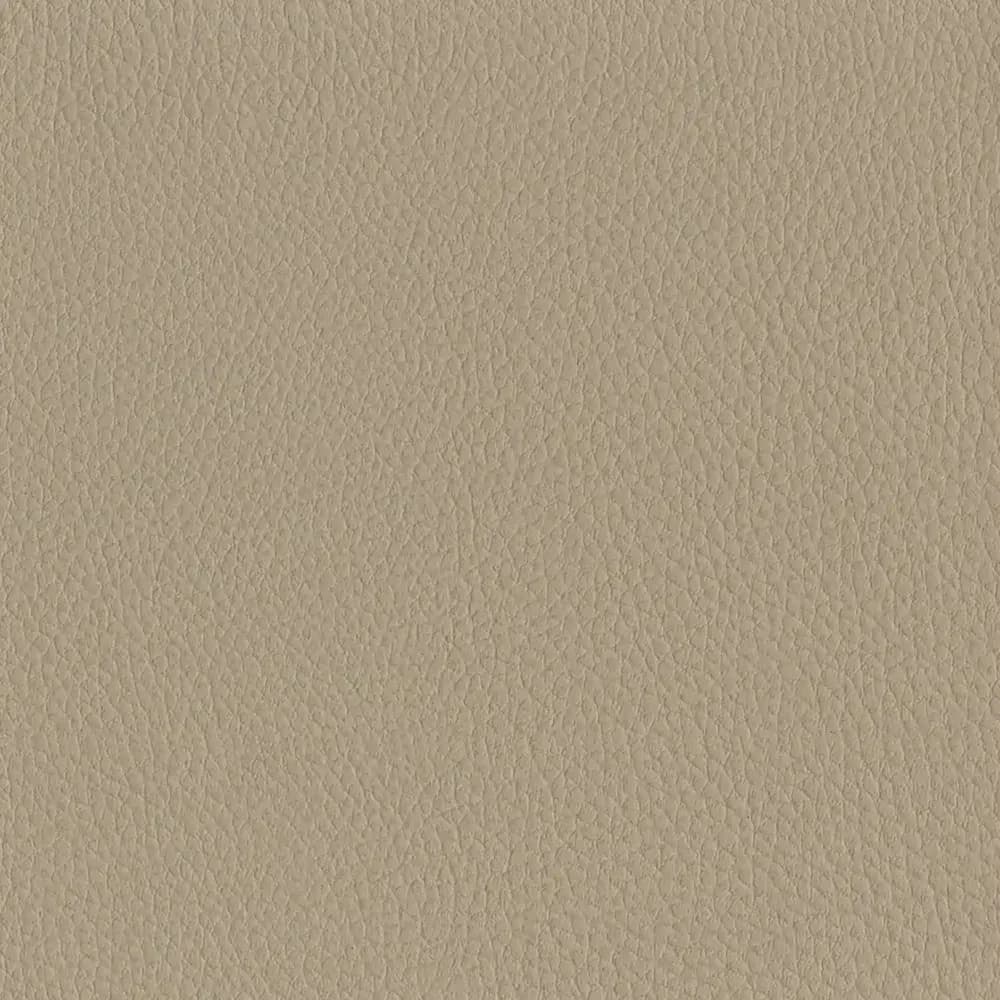
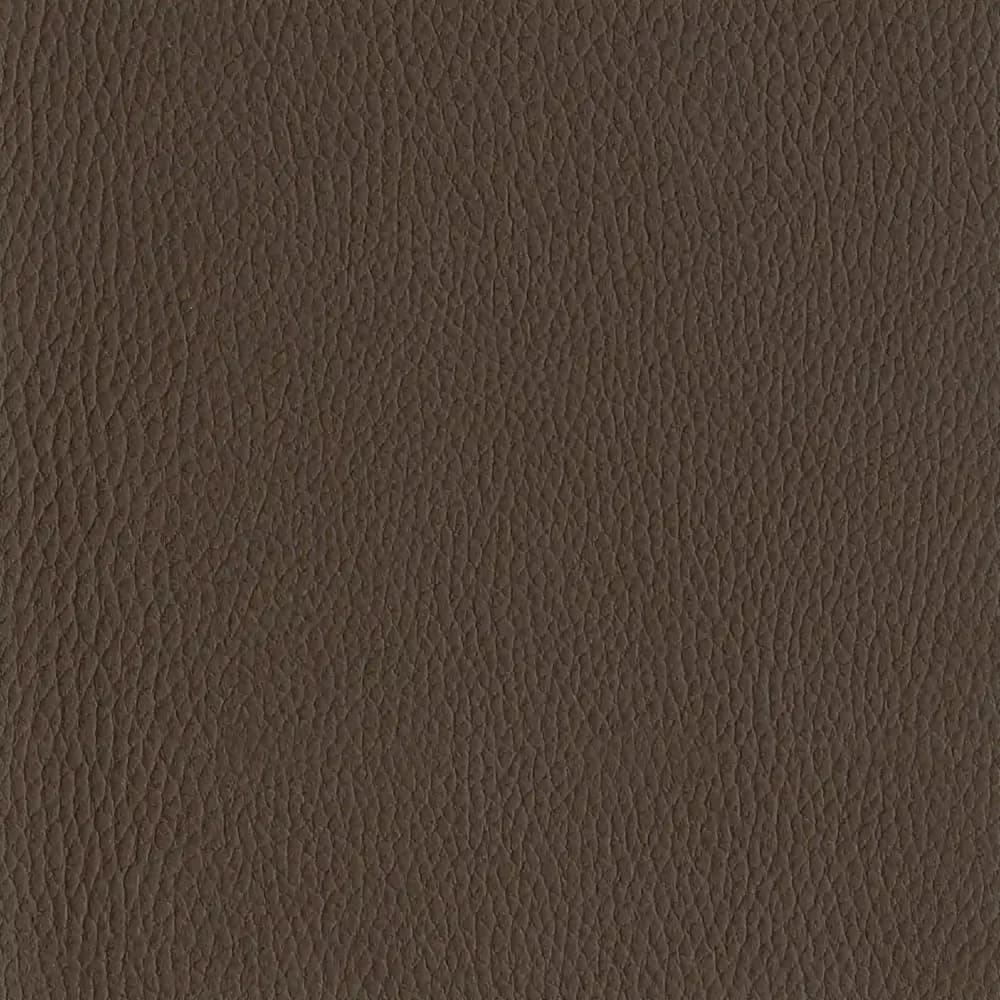
A swatch can set the direction, but specification is what protects it. Colour, texture, finish and performance all shape whether the finished seat holds the same intent as the first sample.
-1000x605.jpg&w=3840&q=75)
The most responsible material decisions are often the ones nobody notices. Not because they lack impact, but because years later they are still doing the job they were specified to do.