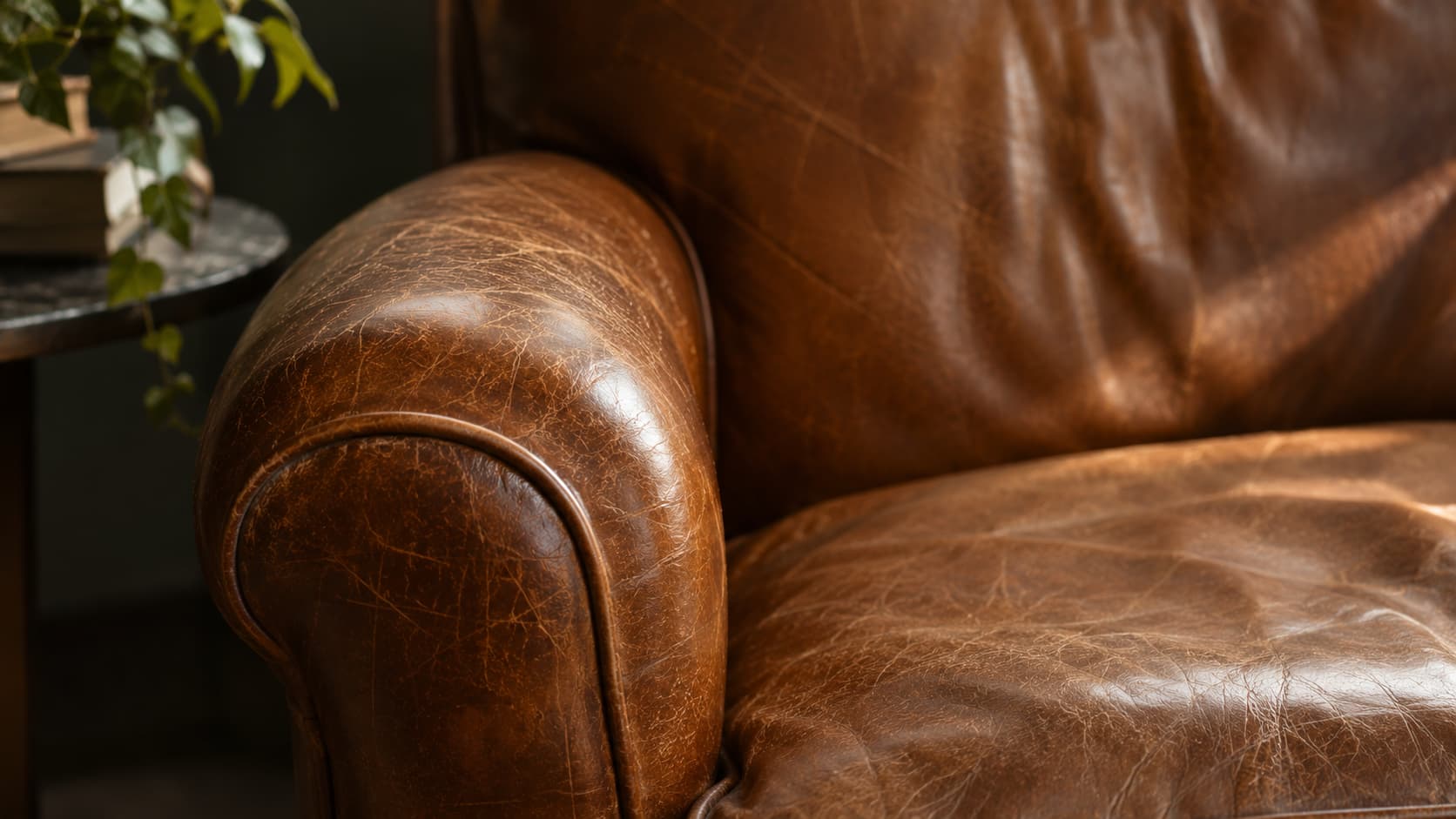
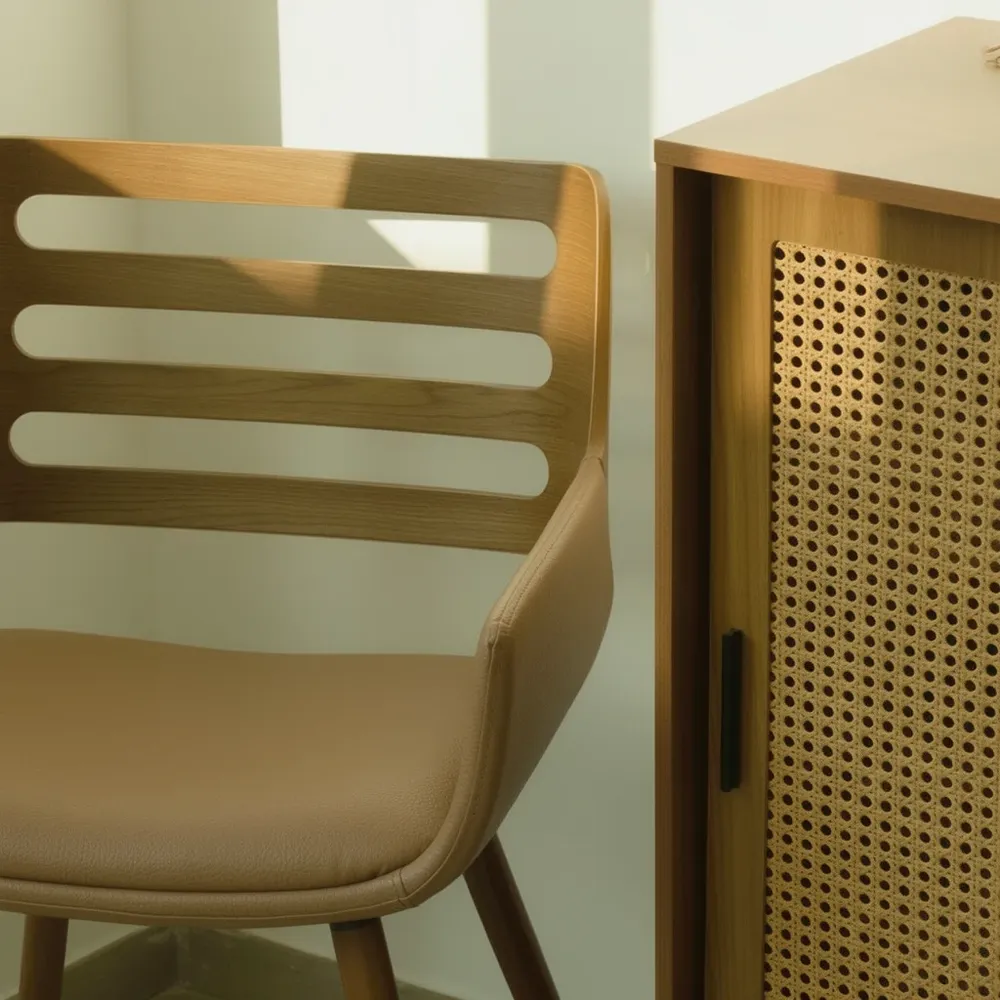
An old leather armchair can become more beautiful with age. The surface softens, the colour shifts slightly, and the places where people have sat for years begin to tell their own story. We call it patina.
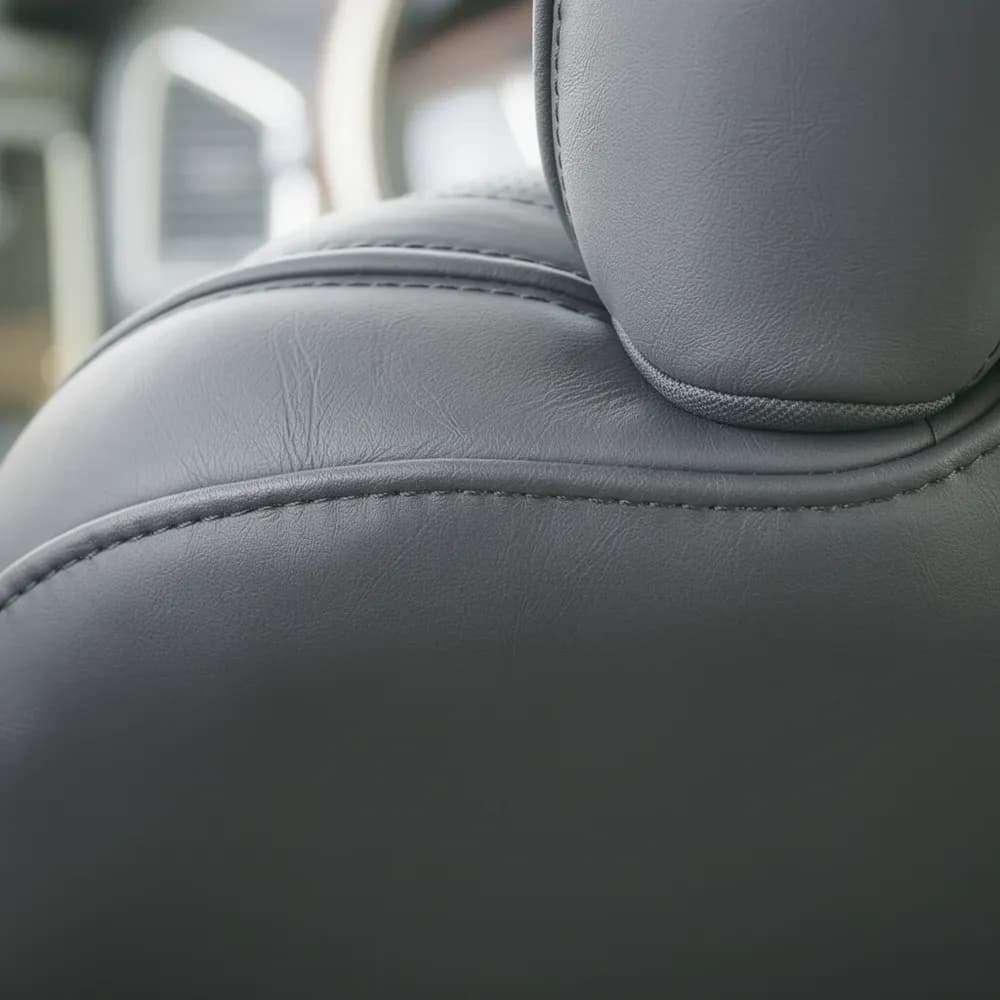
Put a similarly worn chair in a hotel reception, upholstered in a different material, and our reaction changes. The marks suggest neglect. The surface looks tired. We start wondering when it will be replaced.
We celebrate the signs of use in some materials and reject them in others. So what actually makes wear acceptable?
We don't judge materials equally
A wooden dining table can take a few scratches or a softened edge without losing its appeal. Certain types of leather develop variations in colour and sheen that become part of their character.
Perhaps we're more forgiving of these changes because they feel like part of the material's identity. A scratch in timber can add character, while a similar mark on an engineered surface can feel like a departure from what we expected.
We're not just judging what has happened to a material. We're judging whether it still looks the way we believe it should.
Sometimes it's the setting, not the surface
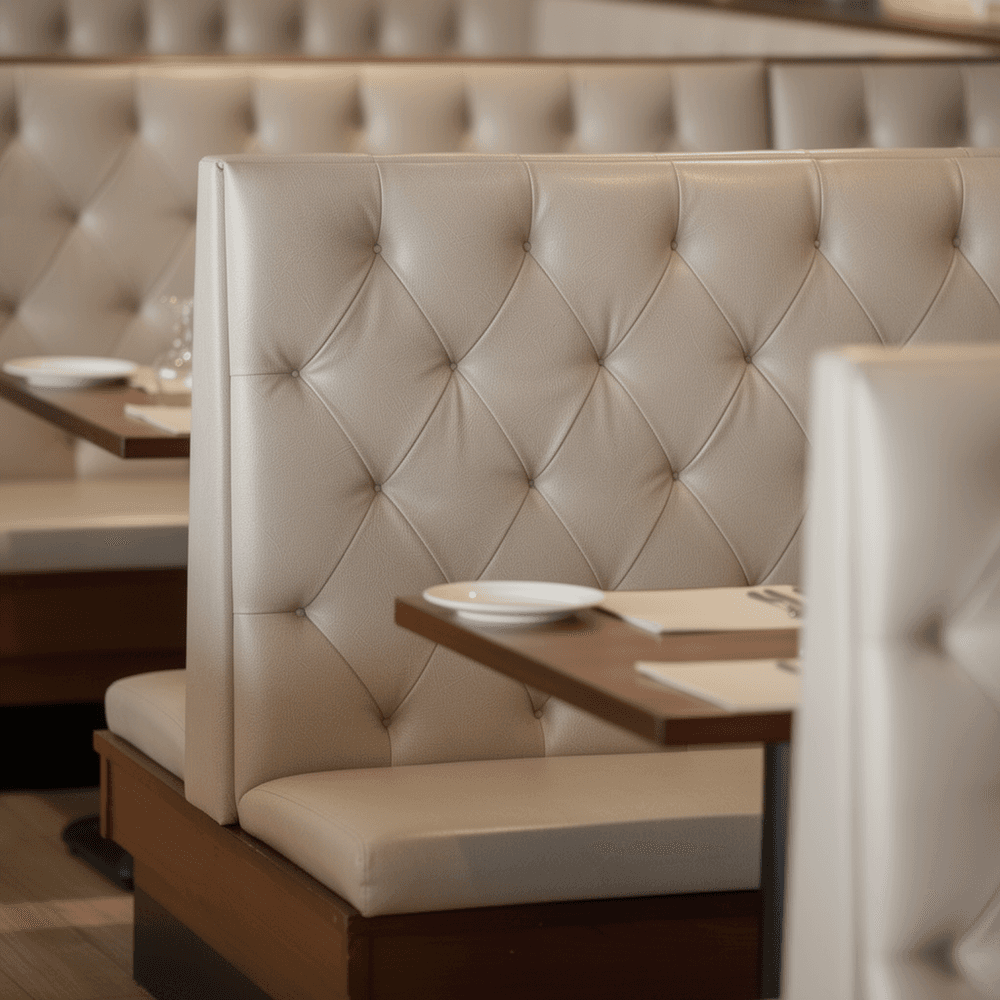
The setting can change how we see it. A worn leather chair in a quiet library might feel inviting. The same degree of wear on seating in a newly refurbished restaurant could feel out of place.
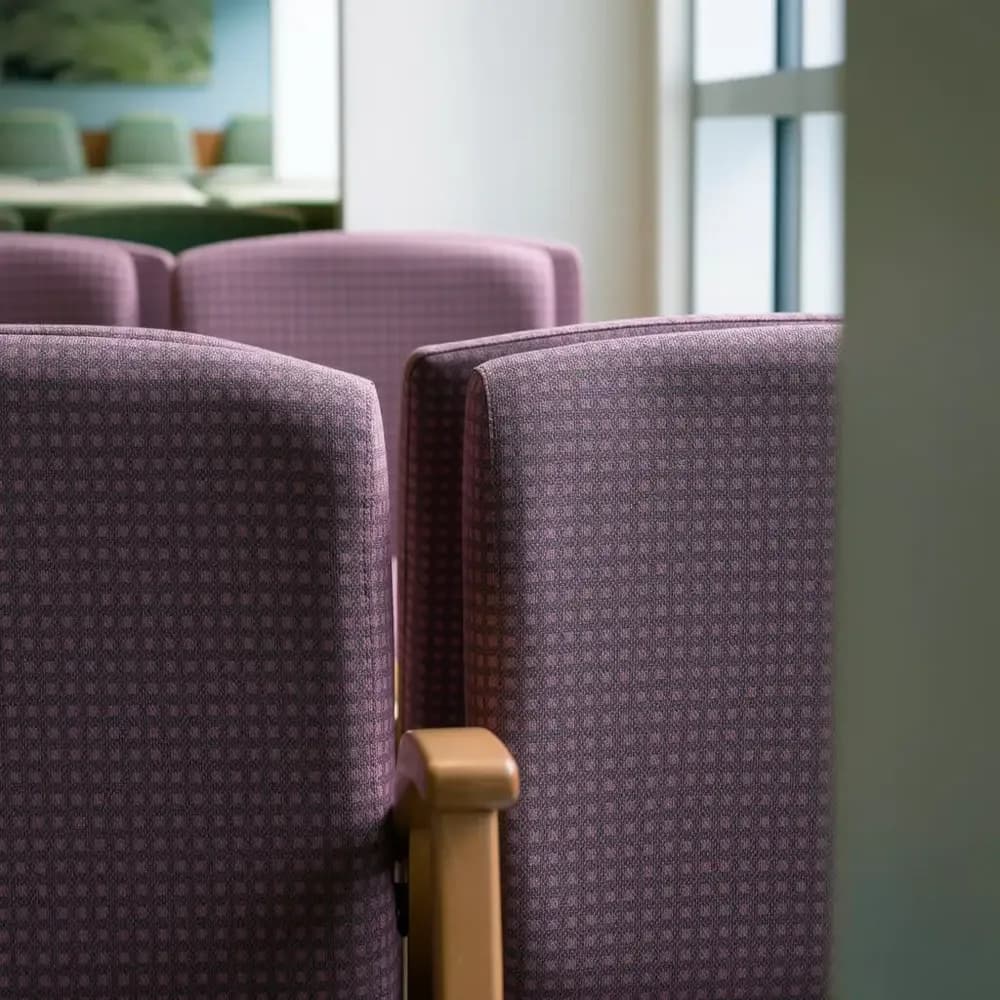
And sometimes, it's simply a matter of comparison. A chair showing signs of age might seem perfectly acceptable on its own. Place it alongside nineteen identical chairs that look almost new, however, and those same marks become much harder to overlook.
The material hasn't changed. Only what we're comparing it to has.
Wear isn't the same as failure
We often use "wear" as a catch-all for three very different things:
- Expected change. A shift in sheen or a light cosmetic mark from everyday contact.
- Manageable marks. Surface changes that appropriate cleaning and maintenance can keep in check.
- Genuine deterioration. Cracking, peeling or a coating separating from its backing, which can indicate that the material is no longer performing as intended.
Knowing which one you're looking at tells you far more than calling a surface "durable".
It also explains why furniture is often replaced early. A chair can be comfortable, structurally sound and fully capable of doing its job, and still be replaced because it no longer looks right in the space.
So when we talk about a material's lifespan, are we talking about how long it lasts, or how long we're prepared to live with it?
Picture the space five years on
Materials are usually chosen at their best. We compare samples, check colours under different lights and imagine the finished space as it looks in photographs taken just after installation.
The harder exercise is picturing the same space five years later. Before specifying, it helps to ask:
- Where will people sit most often?
- Which surfaces will be touched hundreds of times a day?
- How often will the material be cleaned, and with what?
- Does sunlight fall on the same section of seating every afternoon?
- Does the space call for character or consistency?
The answer isn't always the toughest possible surface. Sometimes the right material develops character gracefully. Sometimes it's one that can be maintained or refinished. And sometimes it's an engineered surface that resists visible change, because consistency is central to the design.
Longevity isn't just about strength
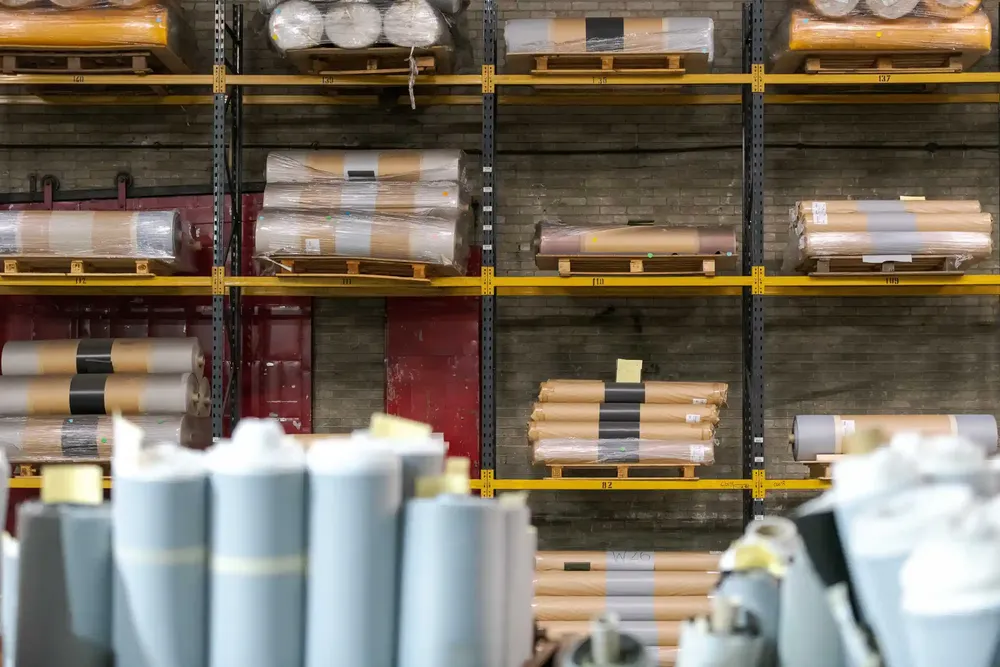
At Ambla, we make vinyl-coated fabrics with carefully considered colours, textures and finishes. How a surface looks when it's first installed is only part of the picture. Understanding how it responds to repeated use and cleaning matters just as much.
Technical testing helps us understand material performance, but no single test captures everything that happens to a surface over time.
People don't experience materials as test results. They see them, touch them, clean them and make judgements about whether they still belong – which is why appearance retention deserves to be considered alongside strength and durability, rather than treated as an afterthought.
A better definition of wear...
So what's the answer? Should we start looking at every scratch and scuff as a sign of character? Or should we expect all materials to remain looking as good as the day they were installed? Perhaps neither.
We'll never stop appreciating the character of old leather or the worn surface of a timber table, and we shouldn't. But maybe it's worth questioning why we embrace the signs of age in some materials while expecting others to remain unchanged. After all, is a surface really failing, or has it simply stopped looking the way we expected it to?
Not every mark is damage. Not every change is desirable. And looking new isn't always the same as performing well.
The goal for many spaces and clients shouldn't be to keep things looking as though nobody has ever touched them. It should be to choose materials that can live comfortably with the fact that people will.
To talk about your next project with us call the team on 01282 842 511.