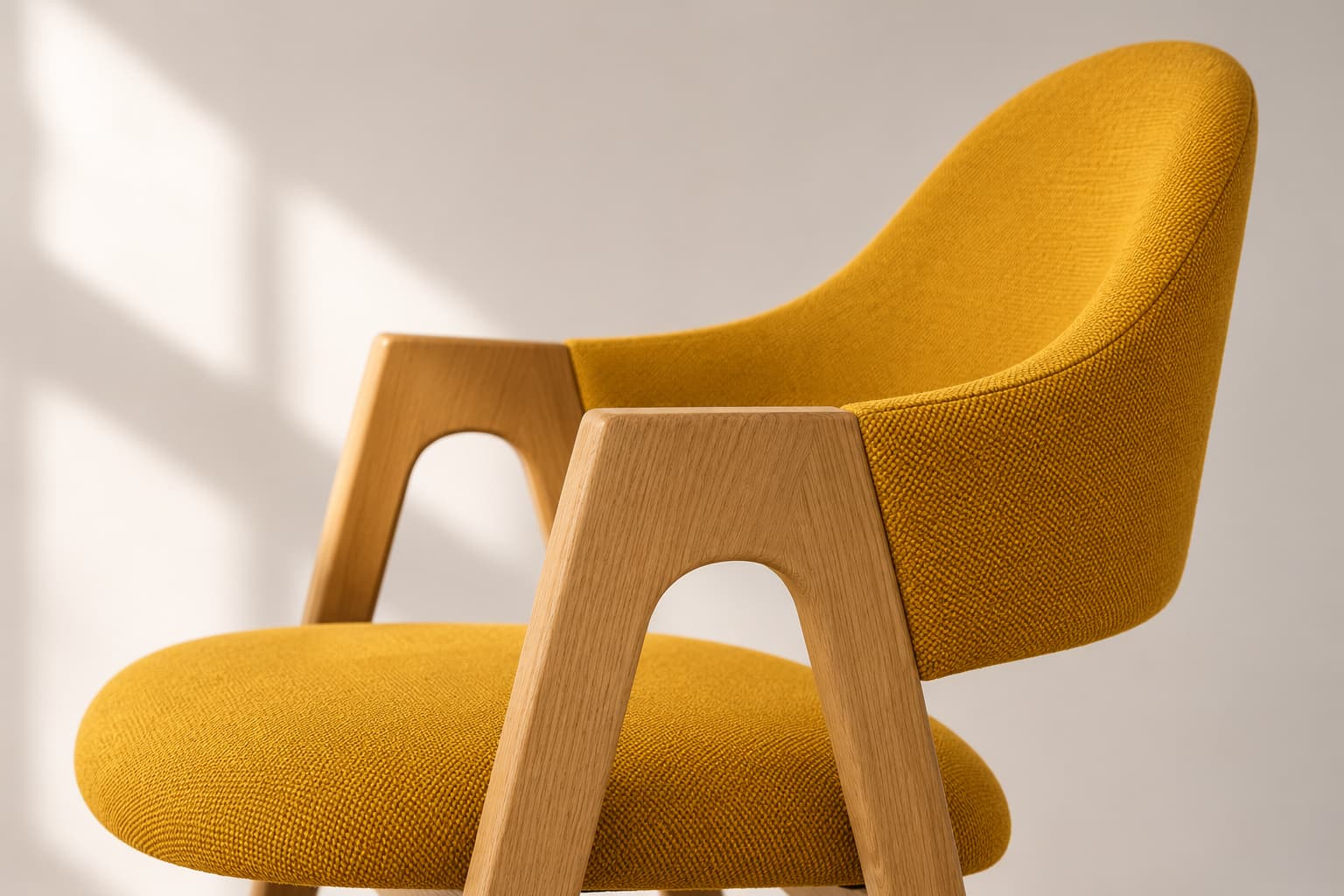
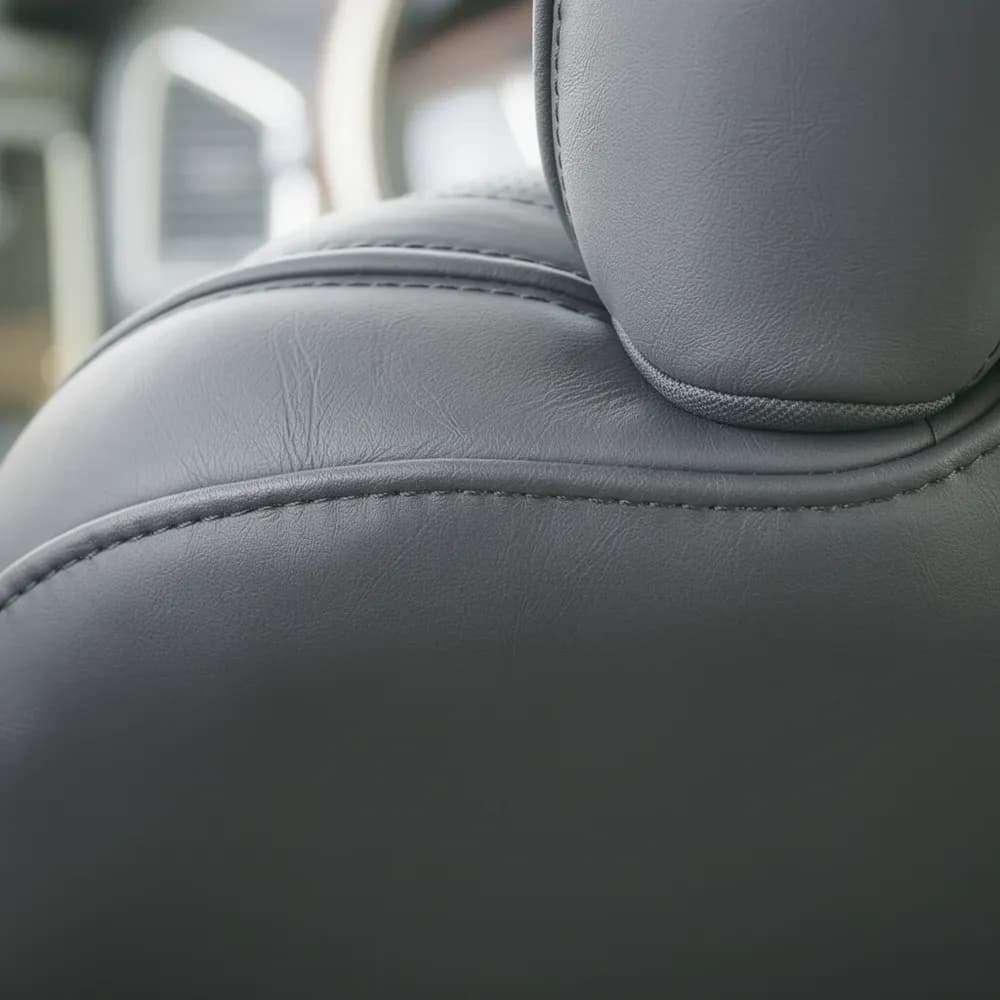
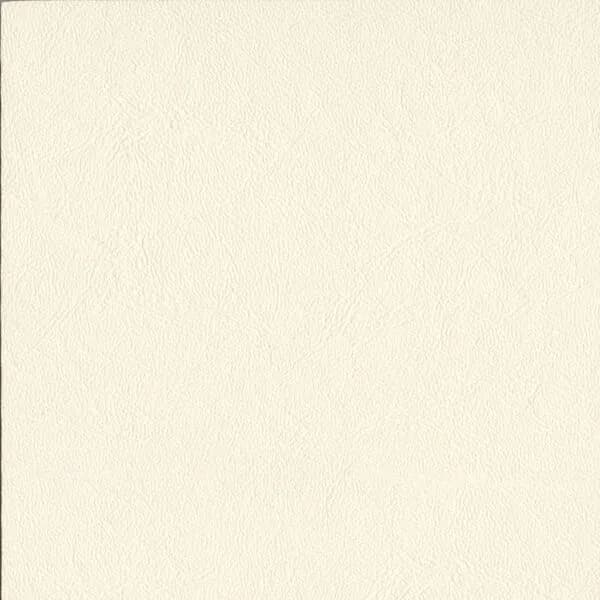
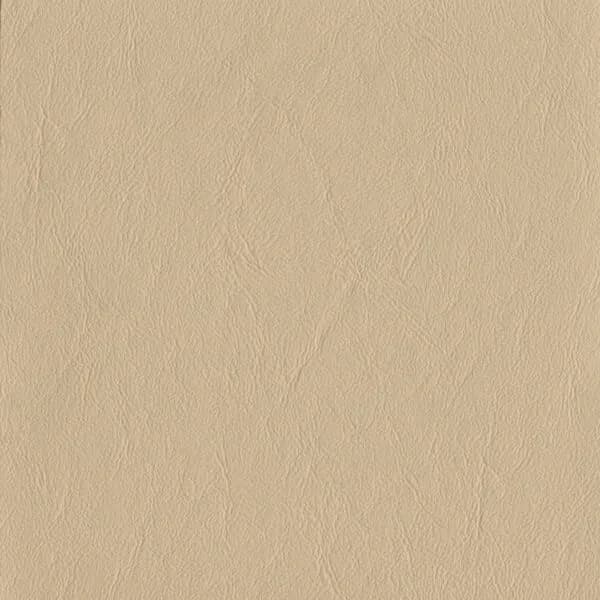
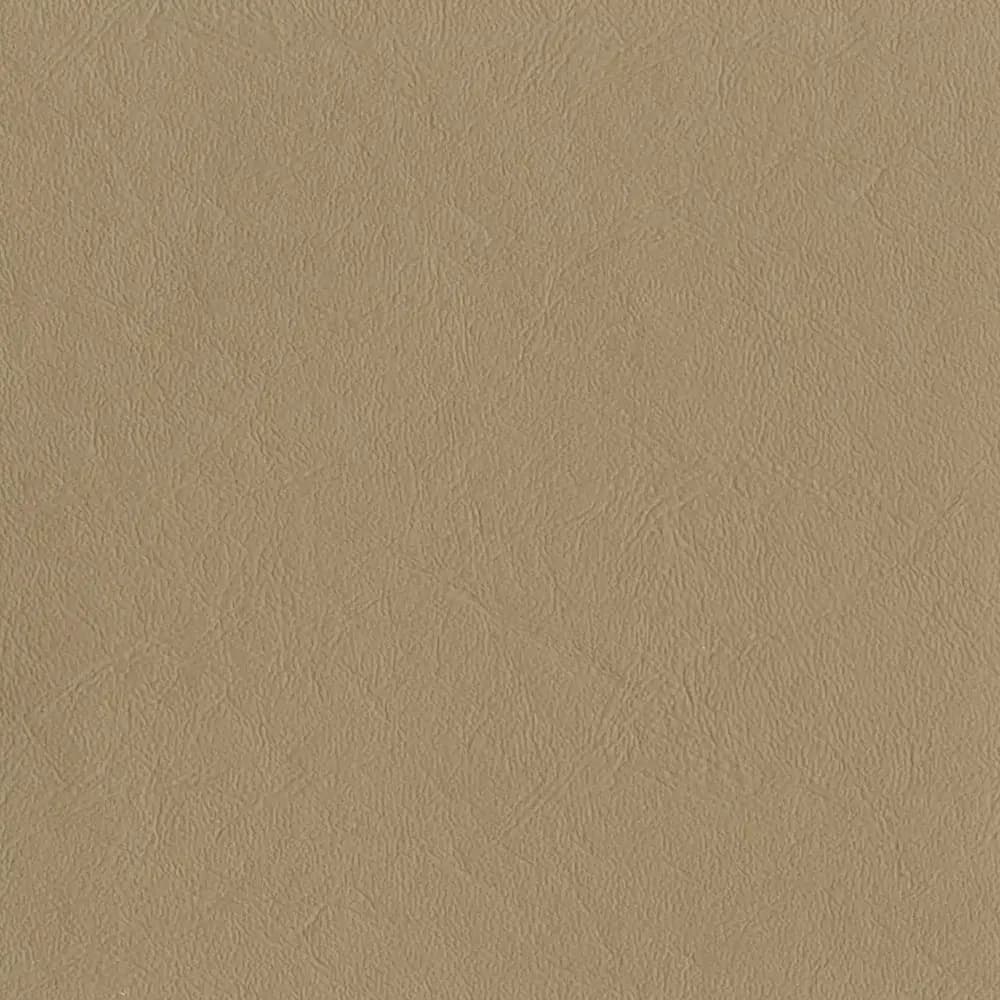
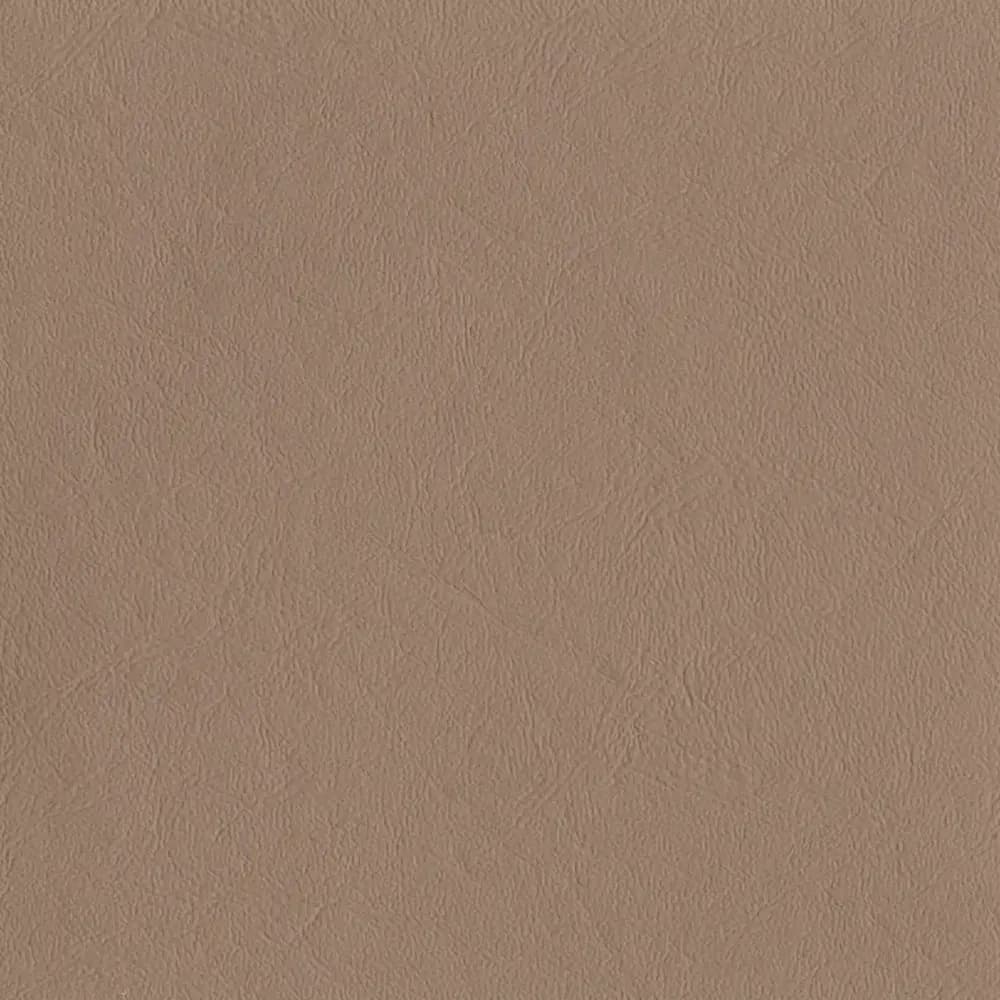
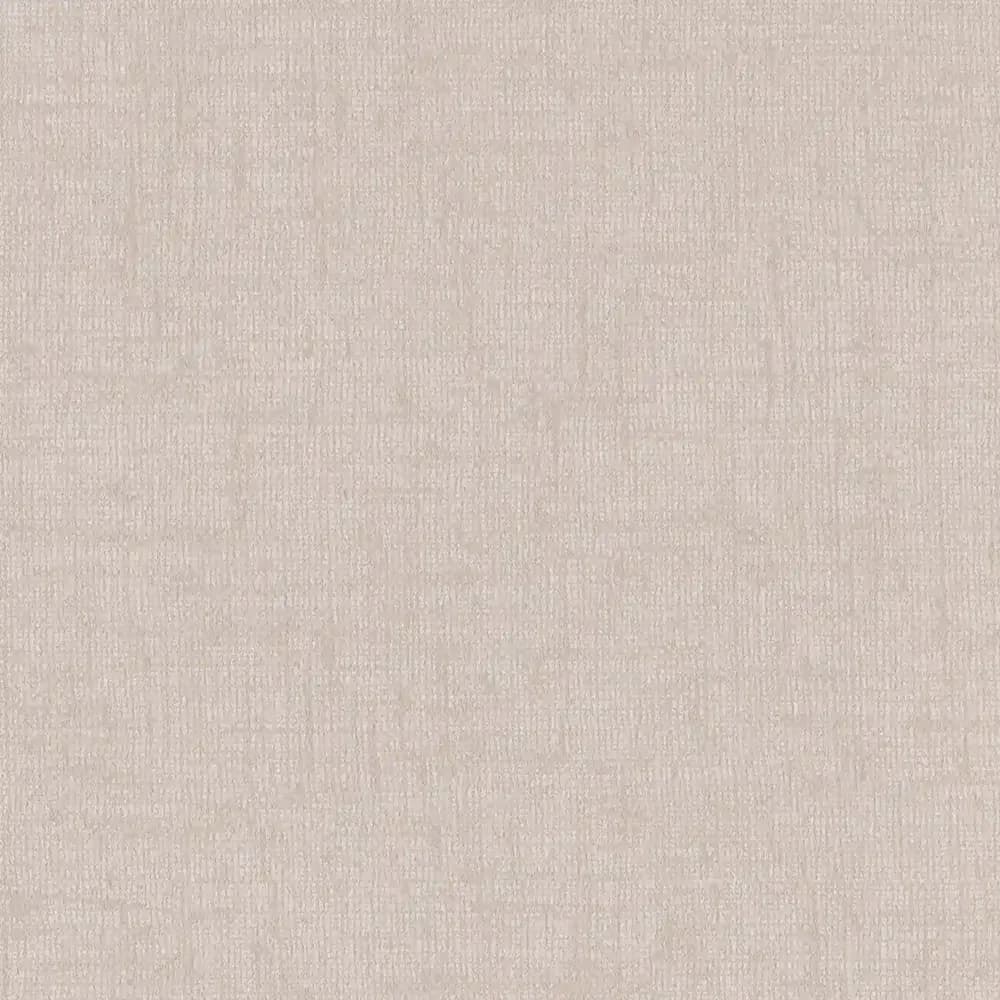
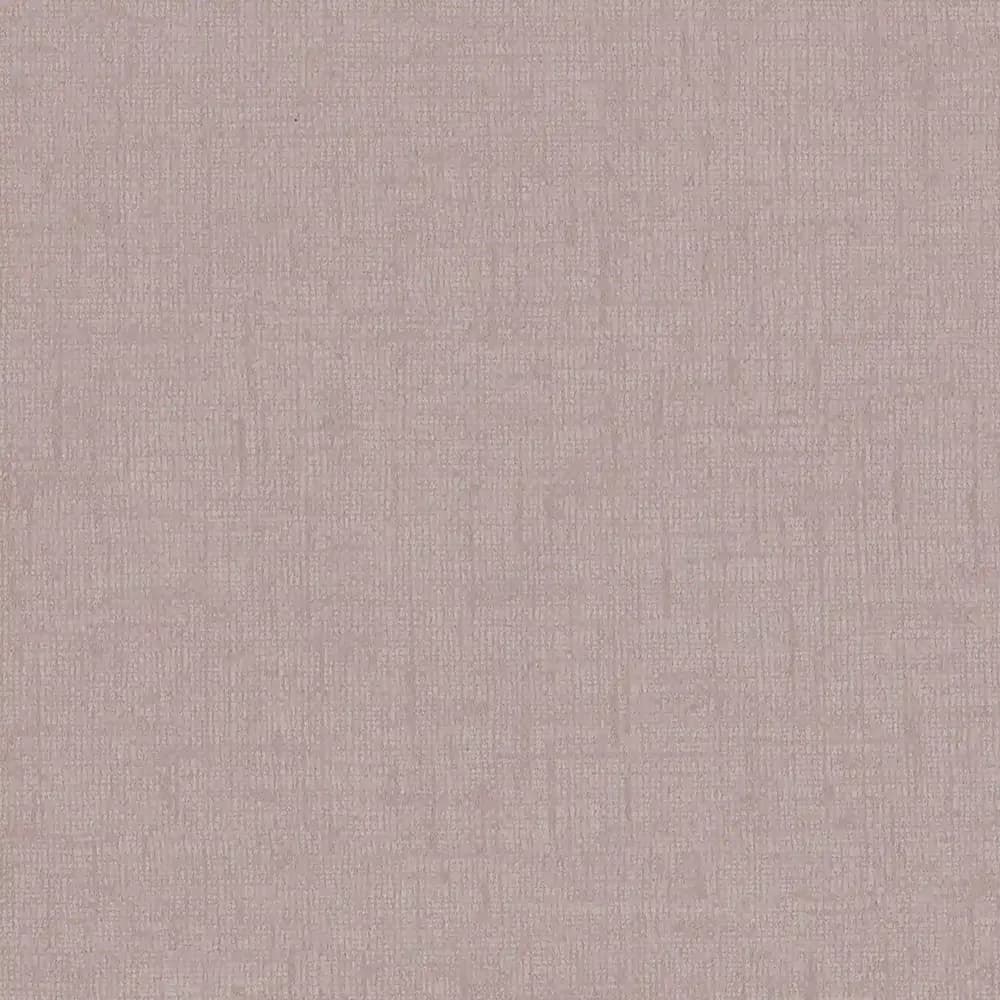
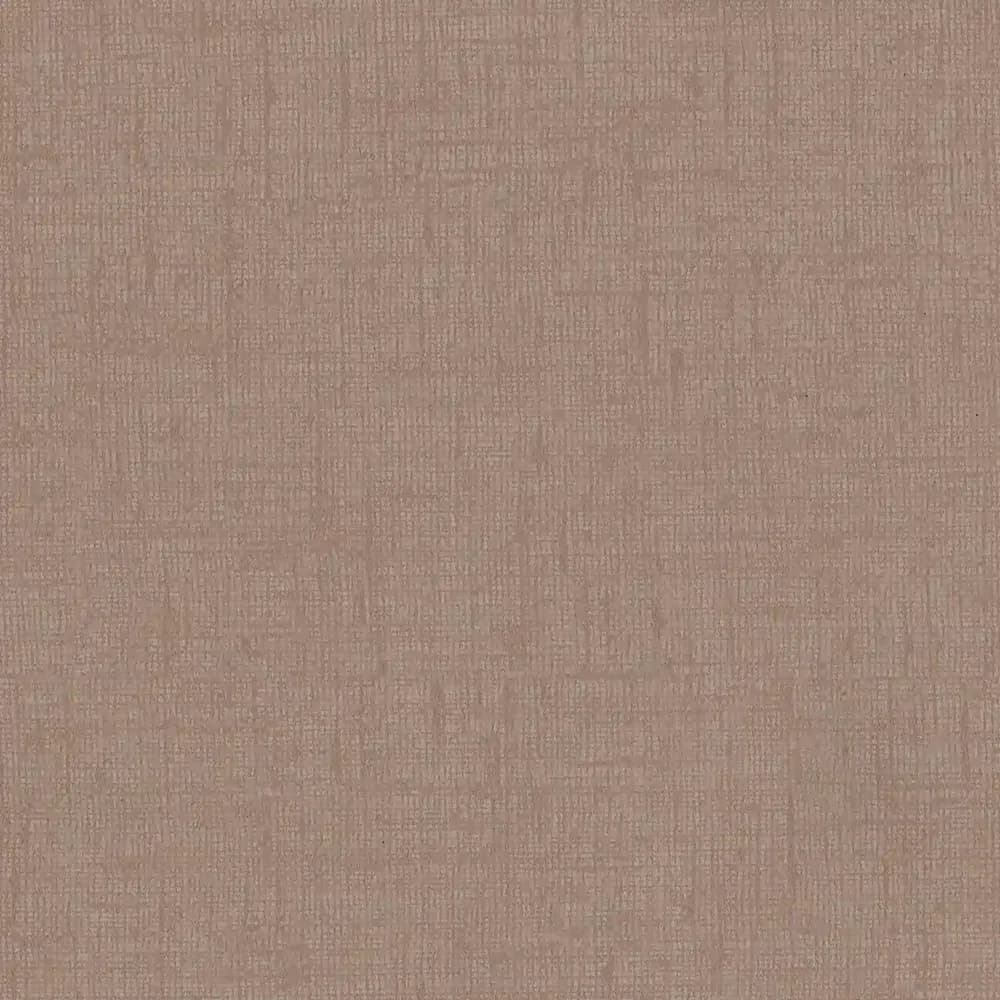
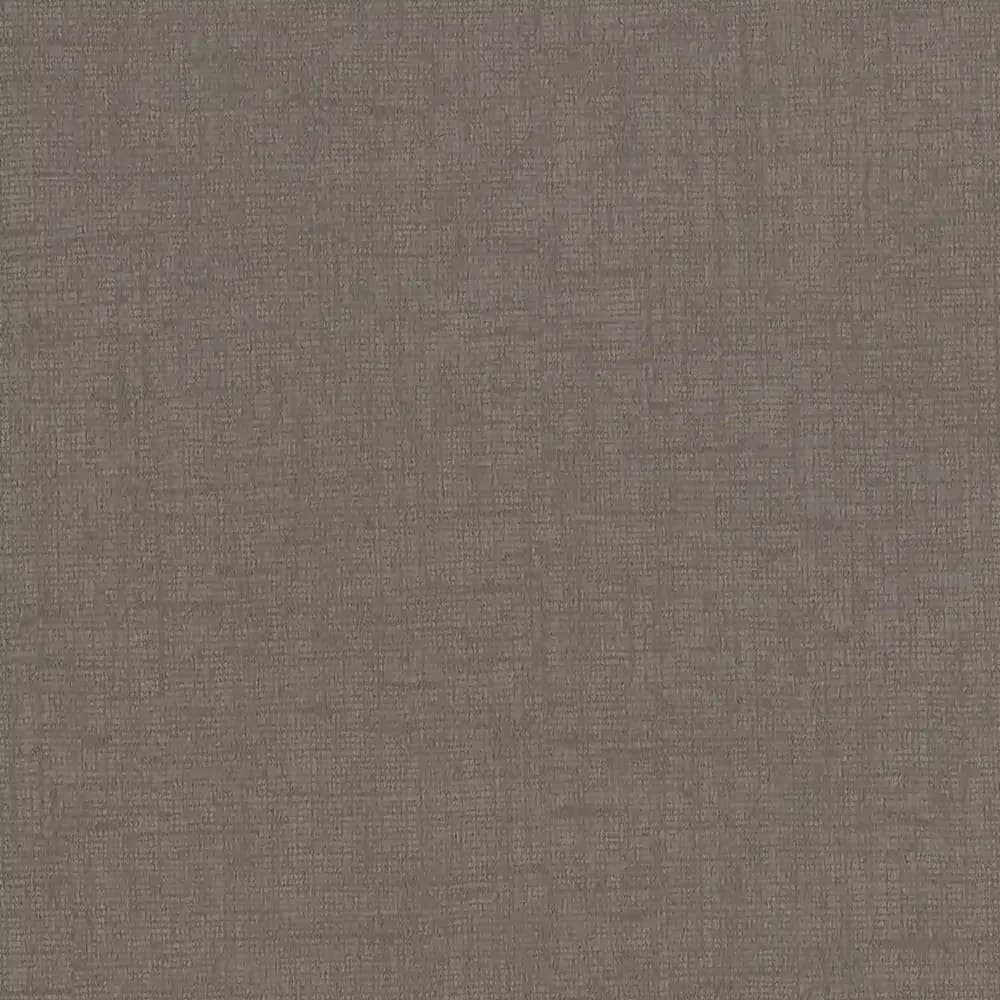
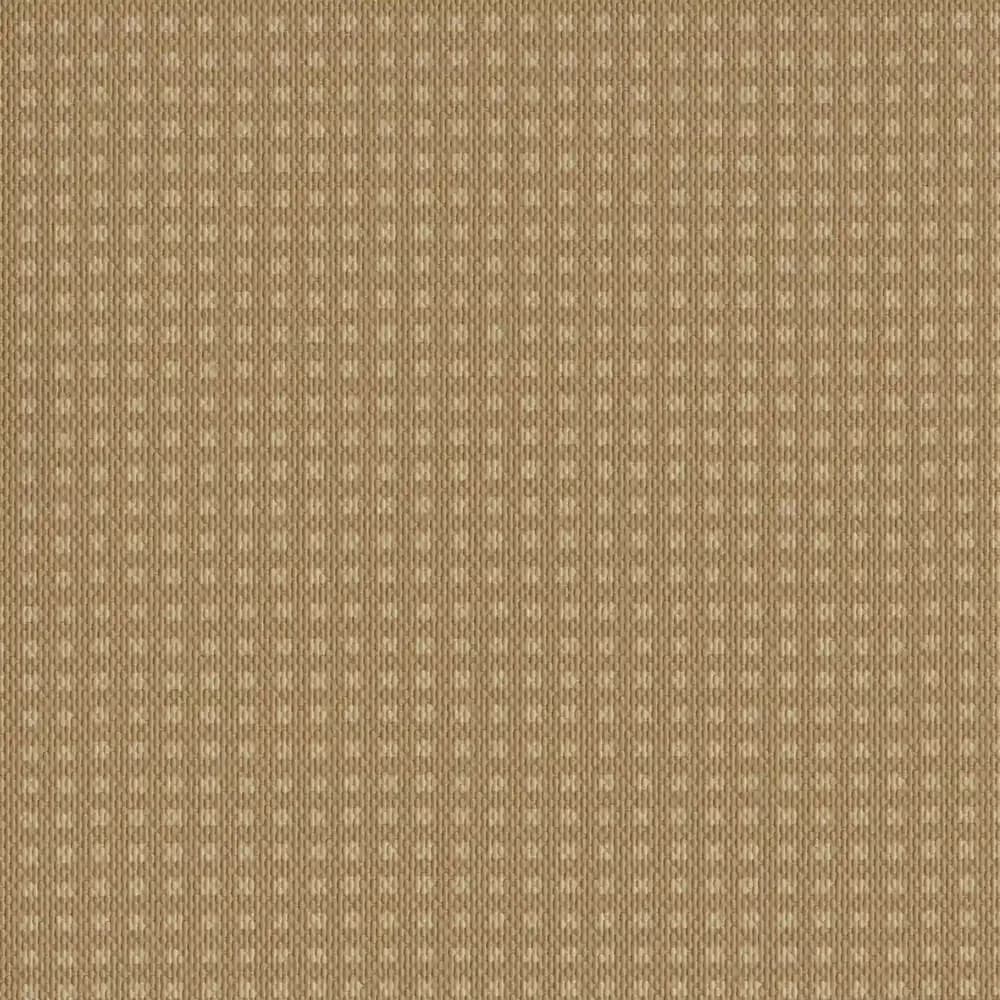
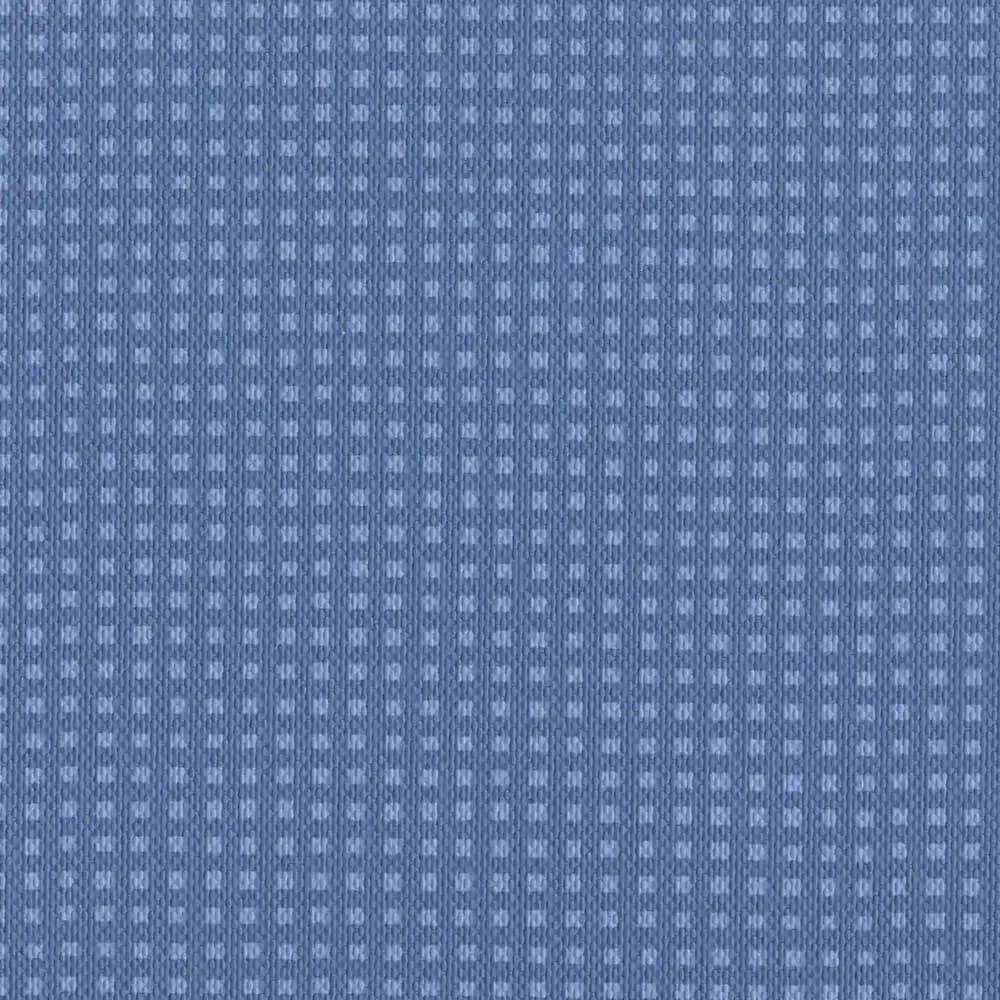
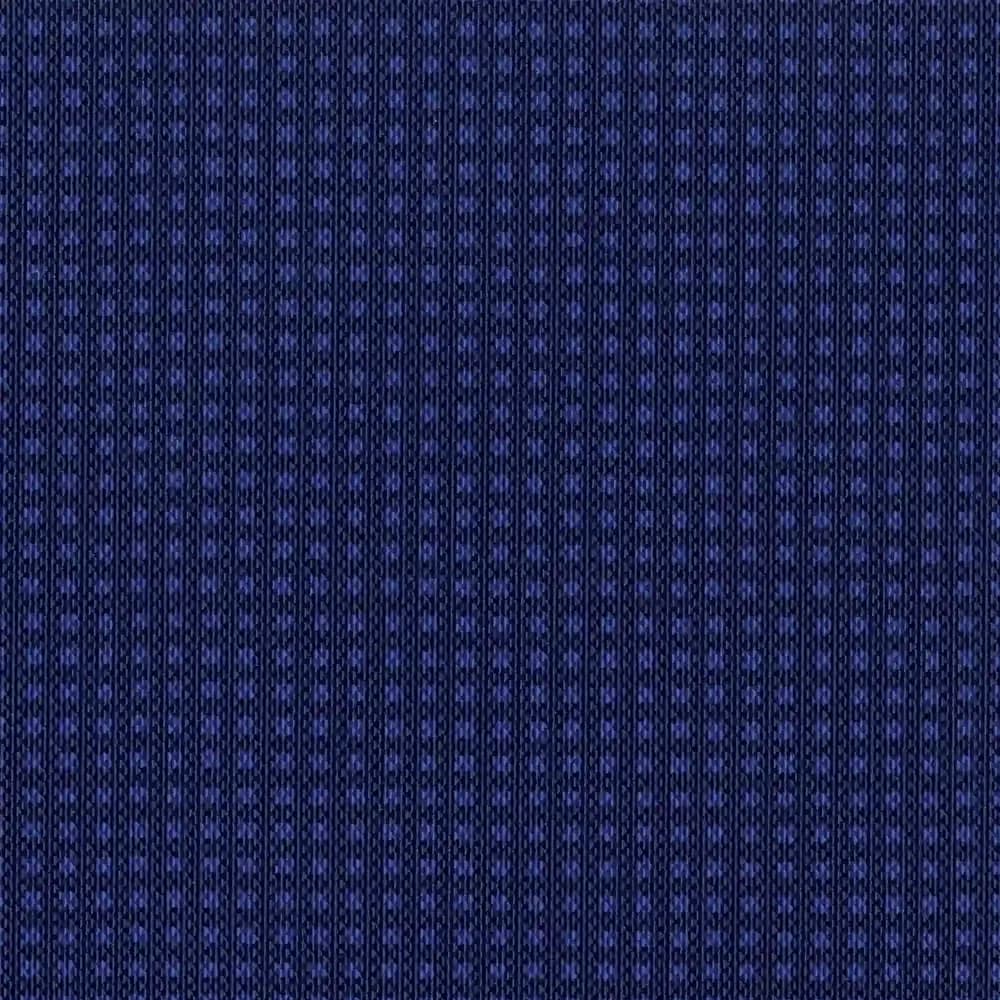
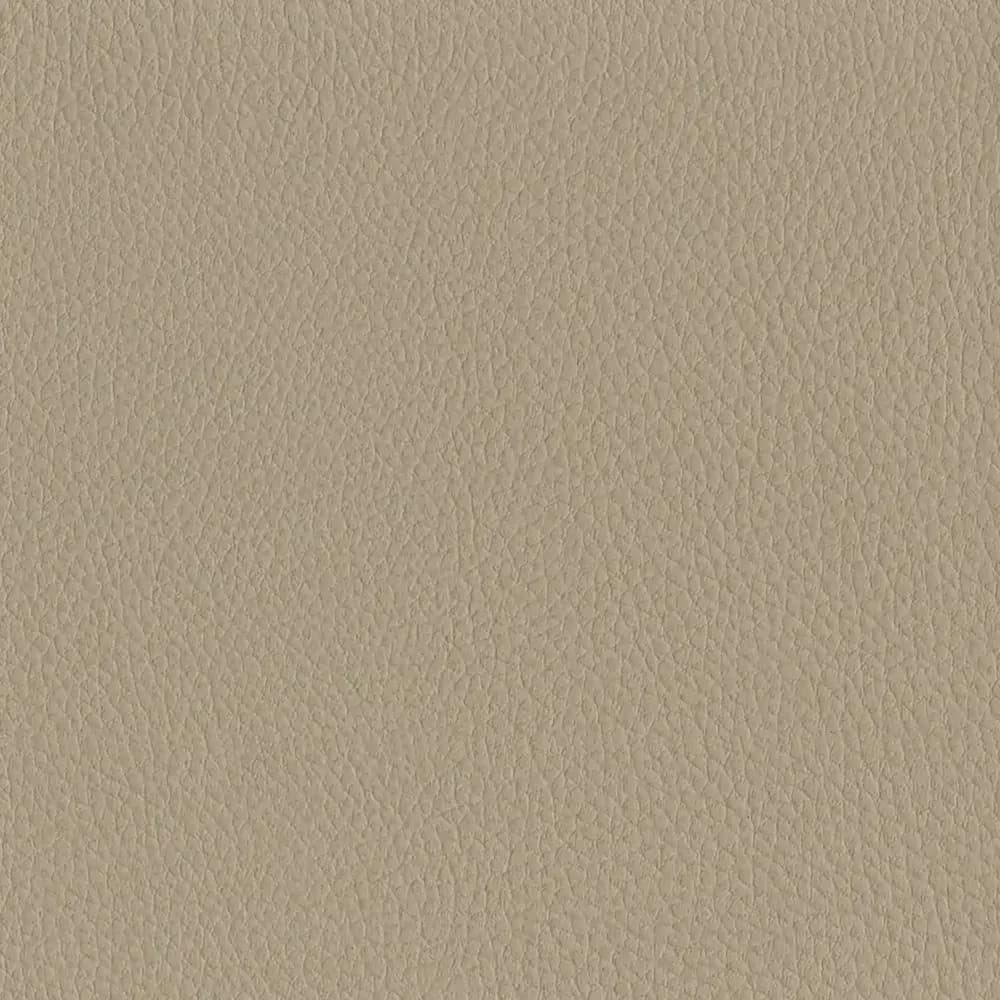
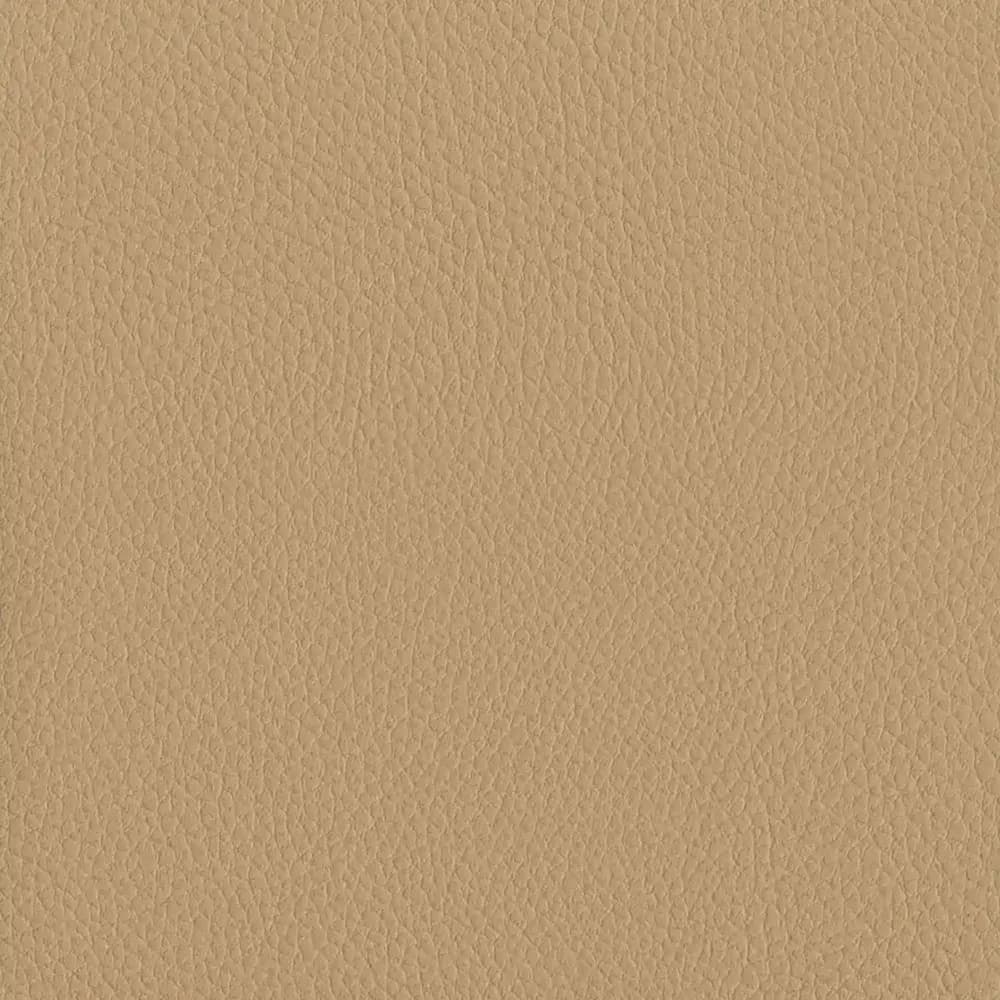
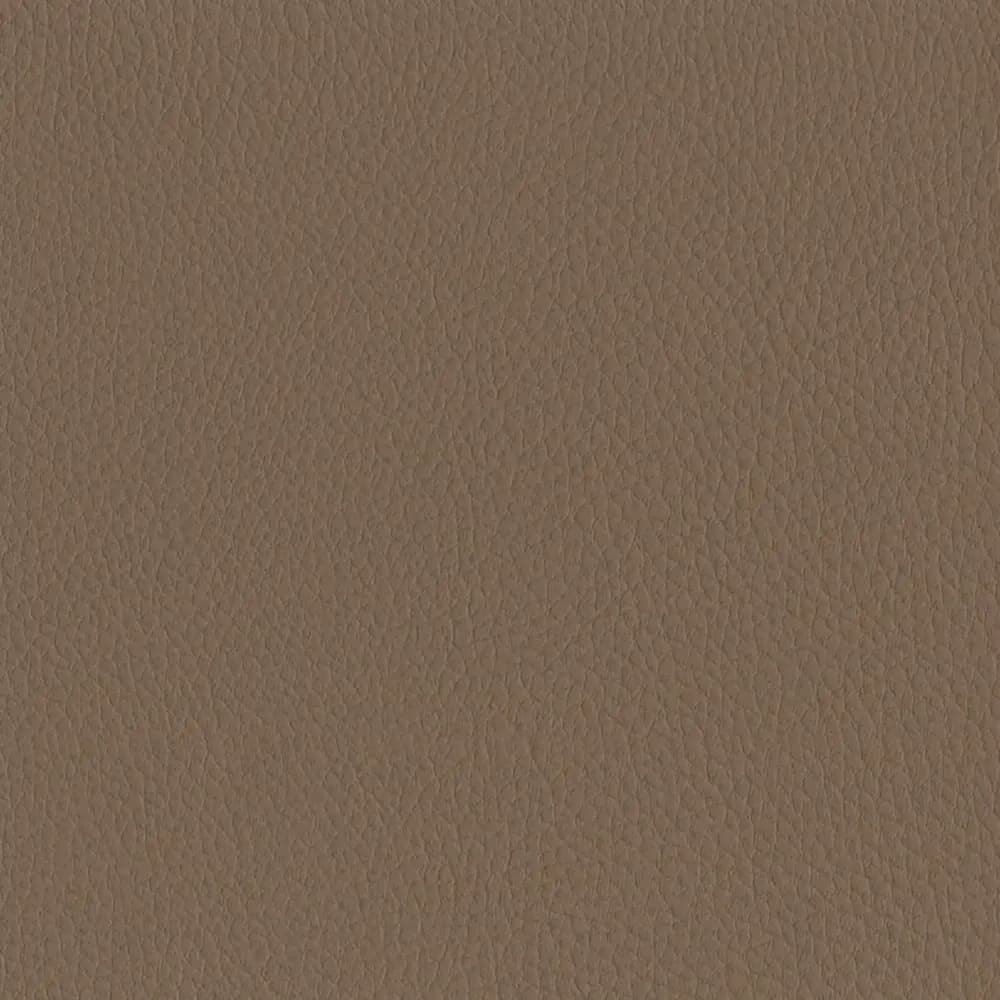
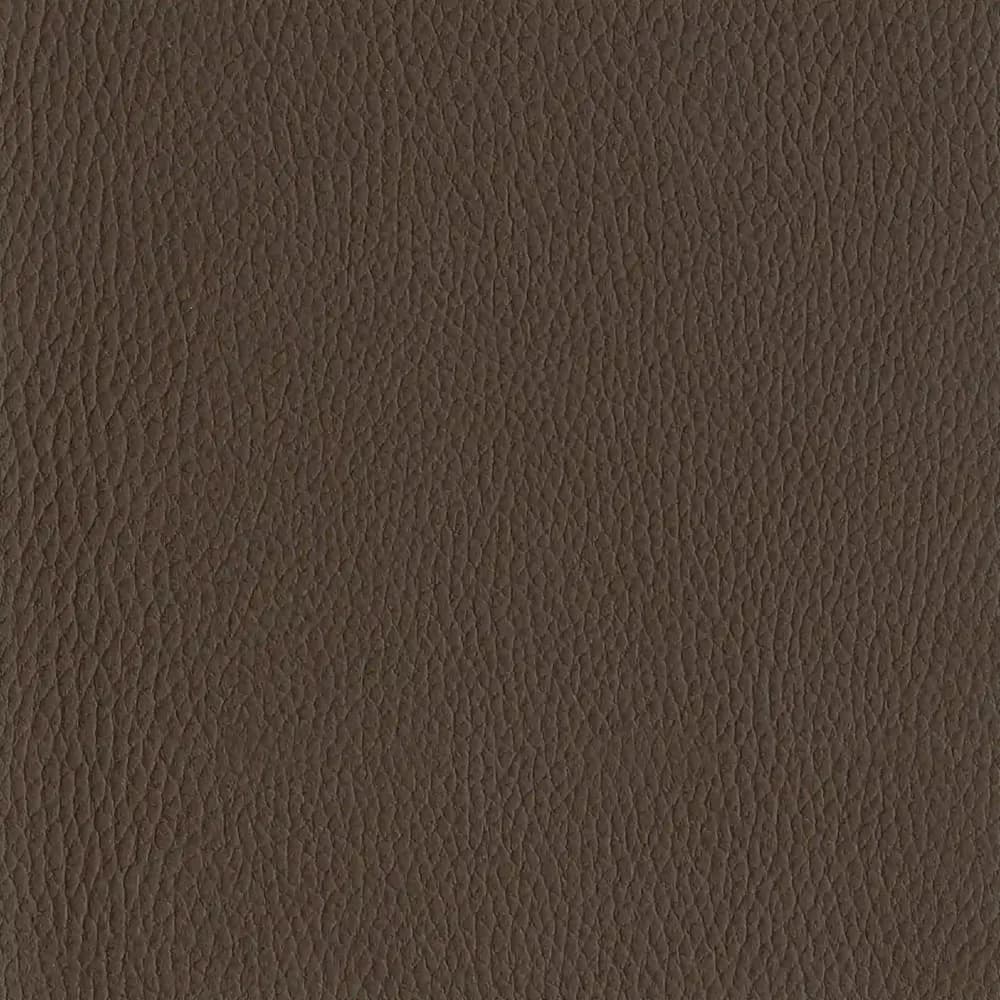
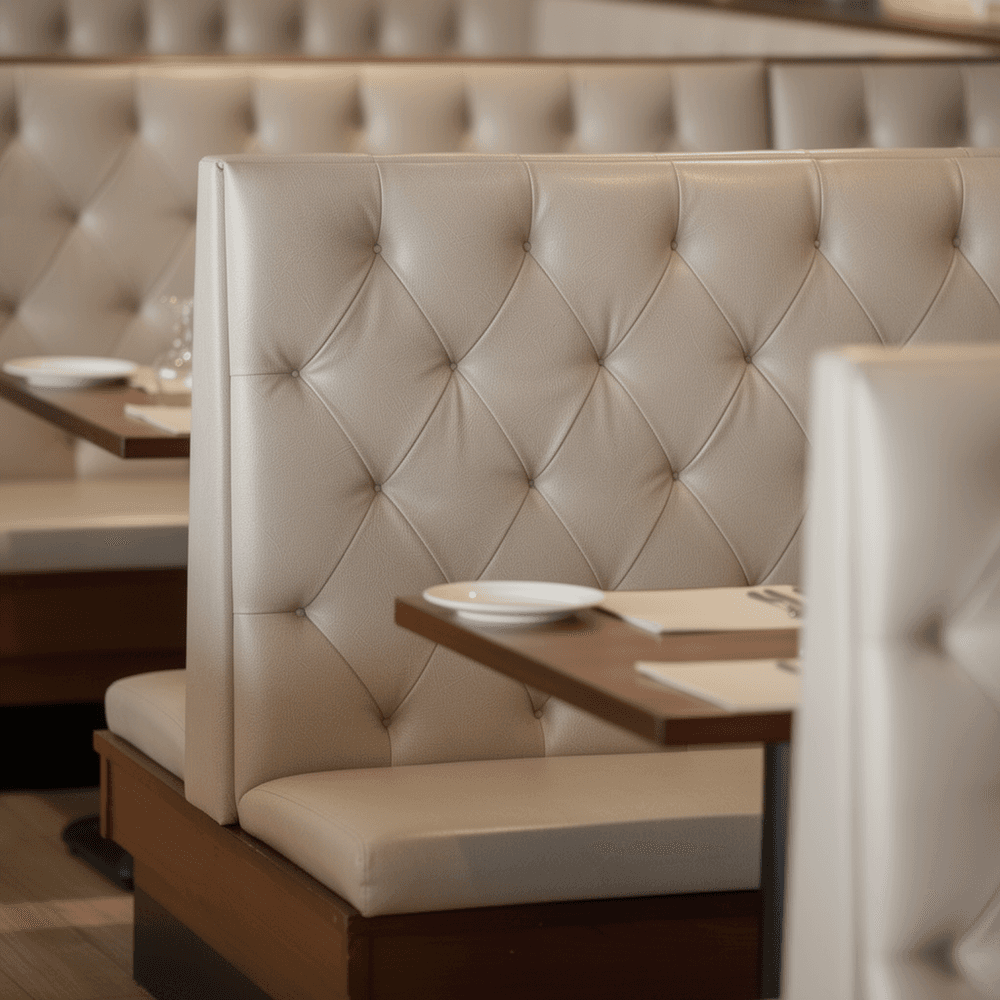
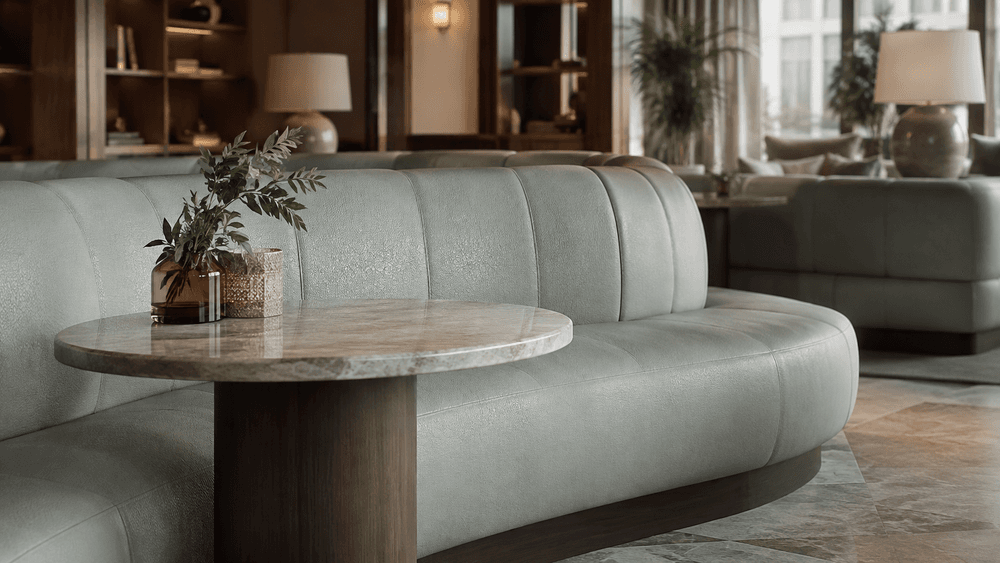
One feels understated and contemporary, while the other brings warmth, familiarity or a sense of age. The difference might be no more than a fine grain, a woven impression or the way a surface catches the light.
We tend to think of texture as something we see or touch. But much of its influence comes from what we associate with it. A leather grain suggests one thing, linen suggests another, and a perfectly smooth surface creates a different expectation altogether. These associations shape how we perceive materials, often before we've had the opportunity to experience them properly.
It's an interesting part of material selection, because what a surface suggests isn't always the same as what the material actually is. And that distinction can be just as important as the texture itself.
What a surface tells us
We're familiar with the visual language of different materials, even if we don't consciously think about it. Woven textures tend to suggest softness and warmth, pronounced leather grains bring a sense of character, and smoother finishes often feel more contemporary.
These associations are useful. They help us understand a material almost instinctively, but they can also be misleading. A surface that resembles linen isn't necessarily woven. A leather-inspired grain doesn't have to come from an animal hide. And something that looks delicate may have been developed for environments where durability is essential.
Coated fabrics are an interesting example of this distinction. Through different grains, embossing techniques and printed finishes, they can take on the visual qualities of familiar materials while retaining the characteristics of their own engineered construction.
A textile-inspired surface, for example, can bring the appearance of woven fabric to an interior without sharing the same underlying structure. Equally, a leather-inspired grain can offer the character of a natural hide through an entirely different material.
It's less about imitating another surface and more about exploring what familiar textures can bring to a different material. The appearance might create an expectation, but it's the construction beneath it that determines how the material behaves.
Texture changes with its surroundings
Texture doesn't exist in isolation. The same material can look surprisingly different depending on the light, the scale it's used at and what's placed alongside it.
Under direct light, a fine emboss may become more pronounced as shadows reveal its contours. In softer lighting, those details can recede, leaving a quieter, more uniform appearance. The surface hasn't changed, but the impression it creates has.
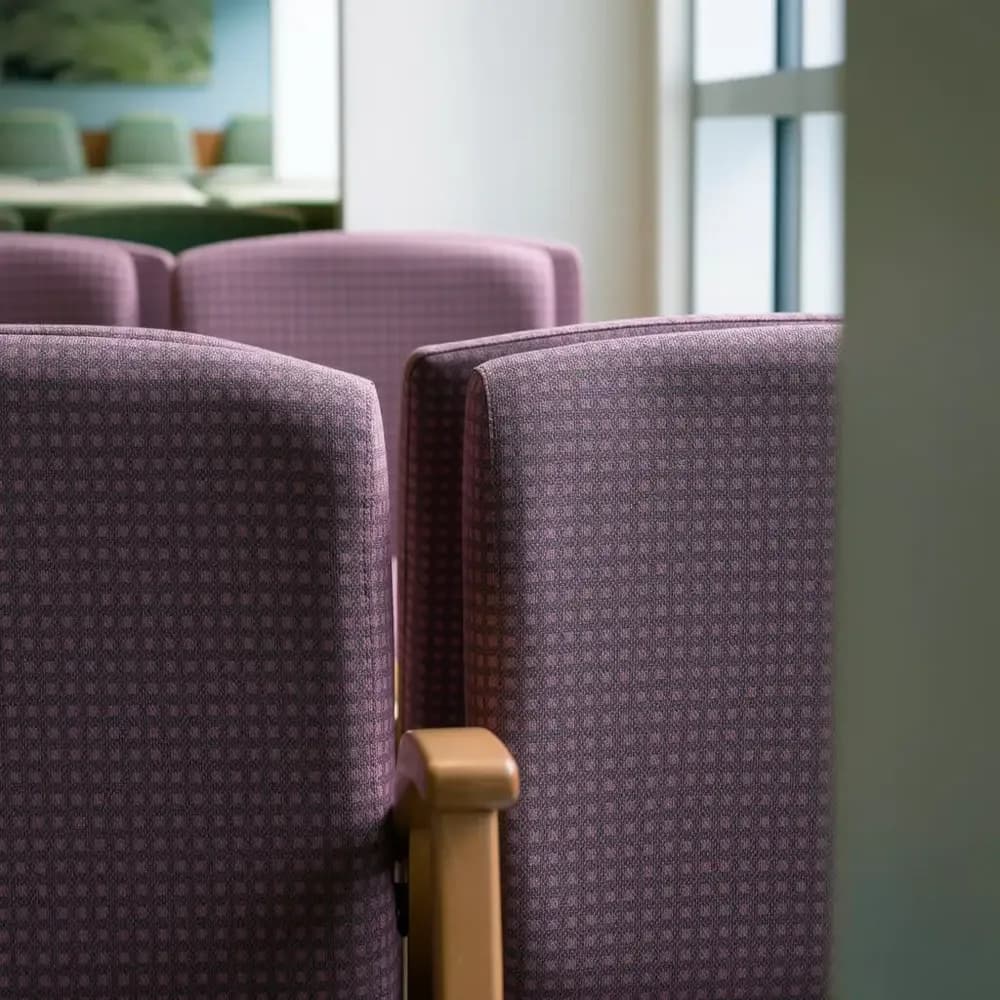
Scale makes a difference too. A grain that feels quite prominent on a small sample can become less noticeable across a large upholstered surface. Equally, a subtle pattern may introduce more visual movement than expected when repeated across an entire seating installation.
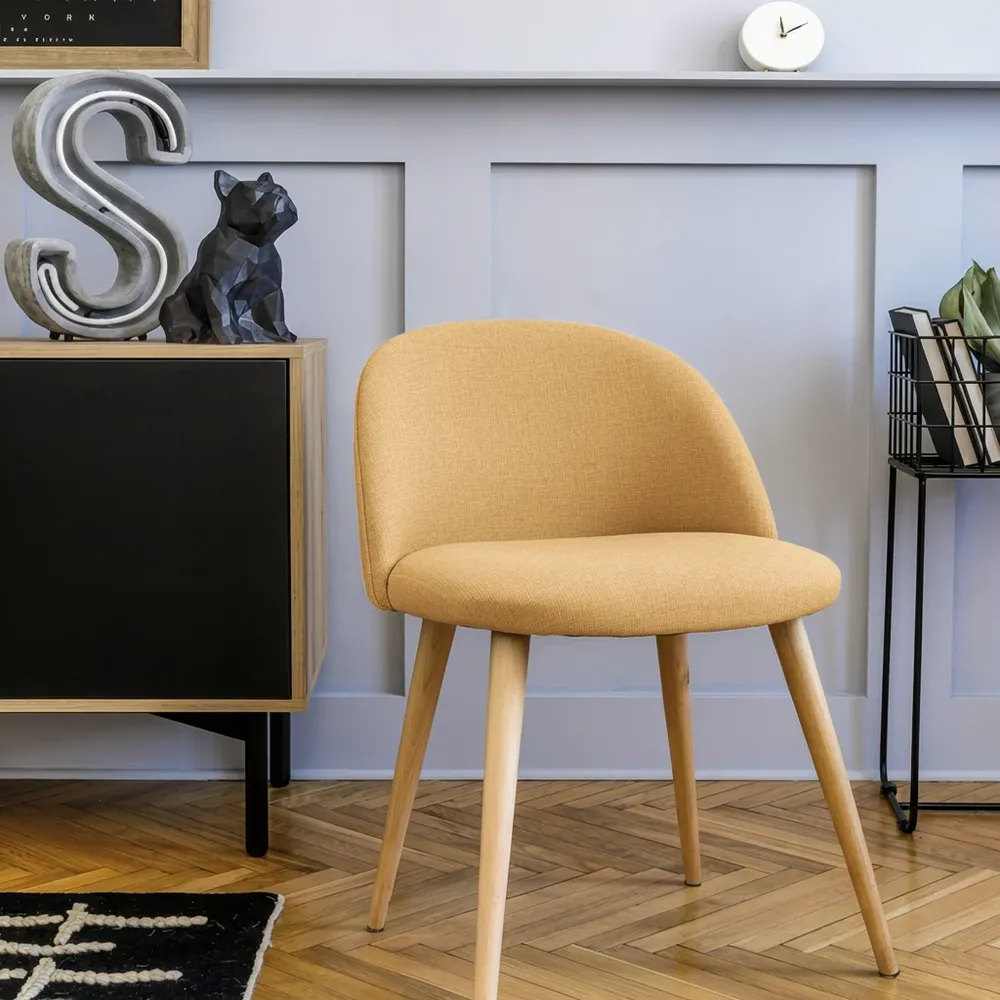
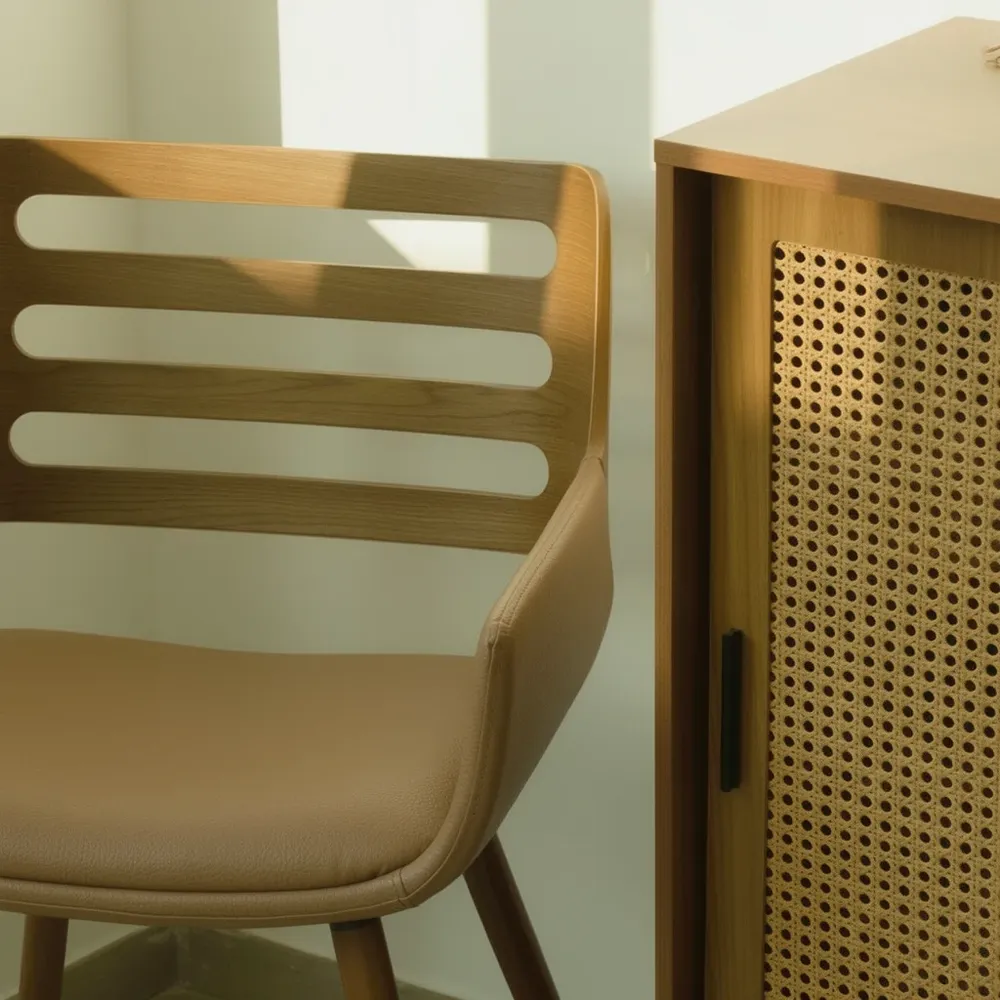
The materials around it can change things again. Against polished metal, a pronounced grain might introduce a welcome contrast. Alongside timber, a restrained textile-inspired finish could create a softer, more continuous relationship between surfaces.
These aren't necessarily dramatic differences, but they all contribute to how an interior comes together. Sometimes it's the smallest details that determine whether a collection of materials feels considered or slightly unresolved.
It's also why texture can be difficult to judge from a photograph. A finish that looks relatively flat on screen may reveal considerably more depth in person, particularly as the light changes or the surface is viewed from a different angle.
Physical samples help bridge that gap, especially when they're viewed alongside the other finishes within a scheme. But it's worth remembering that even a sample tells only part of the story. A texture needs to work at the scale of the finished application, not just in the palm of your hand.
Appearance isn't performance
It's tempting to make assumptions about a material based on its surface. A pronounced grain can suggest toughness, while a smooth finish might seem easier to maintain. Something with the appearance of a woven textile may be assumed to share its physical characteristics.
But visual texture isn't a reliable measure of performance.
The durability of an upholstery material depends on much more than how its surface looks. Its construction, formulation, finish and suitability for the environment all play a part, and those qualities aren't necessarily visible at first glance.
This is particularly important in commercial interiors, where upholstered surfaces may need to withstand frequent contact, regular cleaning and years of everyday use. A material might create exactly the right impression, but it still needs to meet the practical demands of the space.
That doesn't mean technical performance should dictate appearance. It simply means the two are better considered together, rather than treating design as one decision and performance as another.
After all, there's little value in finding the perfect texture if the material itself isn't suited to the environment. Equally, a technically suitable material still needs to contribute to the character of the finished space.
Getting that balance right is part of what makes material selection so important.
The value of getting the surface right
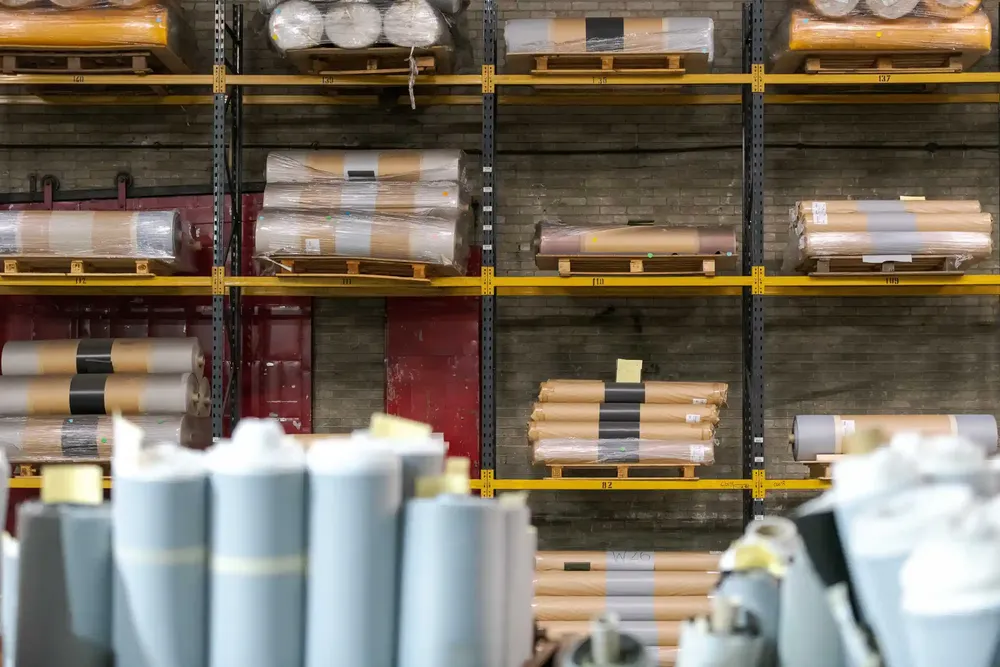
Texture is one of those details that can seem relatively small during material development, yet make a considerable difference to the finished result. A slight change in grain, the depth of an emboss or the addition of a printed effect can alter how a surface catches the light, how its colour is perceived and the overall character it brings to a space.
At Ambla, we explore these possibilities through a wide range of grains, textures and surface finishes. Some are subtle, designed to introduce depth without drawing too much attention. Others have a more defined character, bringing the appearance of traditional leather or woven textiles into a vinyl-coated fabric.
There's no single approach that works for every setting. A fine grain might be exactly what's needed for a restrained, contemporary interior, while a more pronounced finish can bring warmth and familiarity to an otherwise simple scheme. Sometimes it's the contrast between different textures that makes the most interesting result.
What matters is understanding how those choices relate to the material itself. Surface design doesn't happen independently of construction, and a finish needs to make sense not only visually, but also in relation to how and where the material will be used.
For us, that's what makes working with texture interesting. It's the opportunity to take something familiar, explore it through a different material and consider how the smallest surface details can change the way that material is experienced.
Texture might be one of the first things we notice, but it rarely tells the whole story. The light, the surrounding materials, the scale of the application and the construction beneath the surface all have a part to play. When those elements are considered together, texture becomes much more than a decorative detail. It's part of what makes a material feel right for its setting.
Explore the colours, grains and surface finishes within the Ambla collection.