There's something reassuringly familiar about the way upholstery materials are selected.
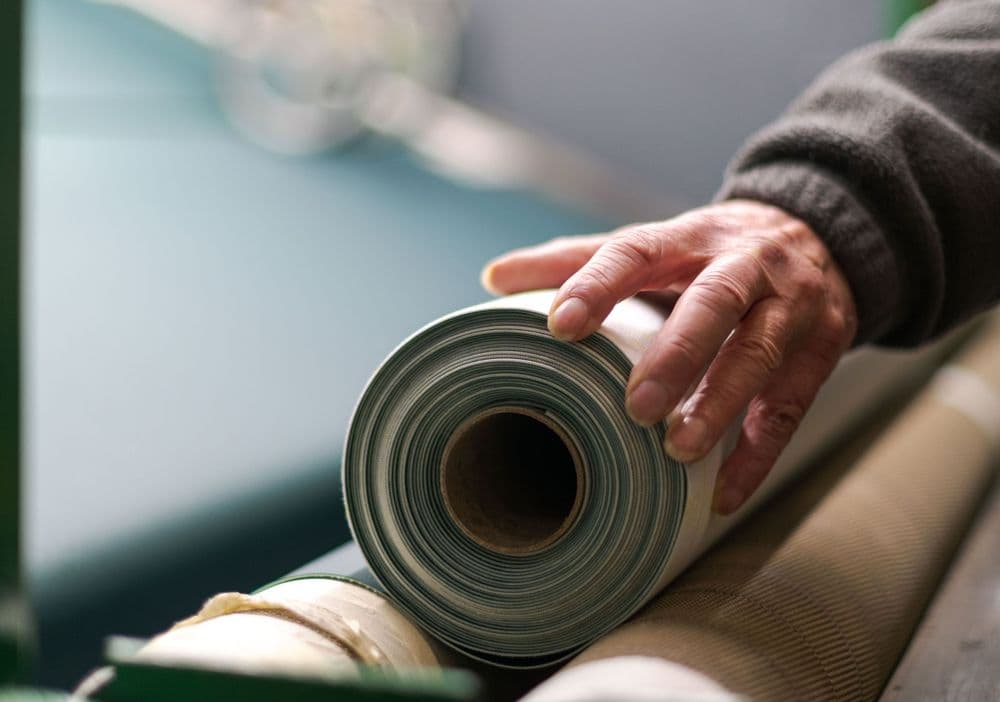
Before technical specifications are compared or performance data is reviewed, someone reaches for a sample. It might be spread across a table alongside timber, metal and paint finishes, held up against natural light or simply passed from hand to hand while opinions begin to form.
That small piece of material does a remarkable amount of work.
Within seconds, you've already started making decisions. The colour feels right. The texture doesn't quite suit the scheme. The finish catches the light in such a way you weren't expecting.
Those first impressions count. They're part of the design process.
They're just not the whole story.
Table of Contents
- A sample tells you about character
- Then the furniture enters the conversation
- Some qualities only reveal themselves over time
- Every project asks different questions
- A sample is the start of the process
- Frequently Asked Questions
A sample tells you about character...
One of the strengths of a physical sample is that it answers questions no specification sheet ever can.
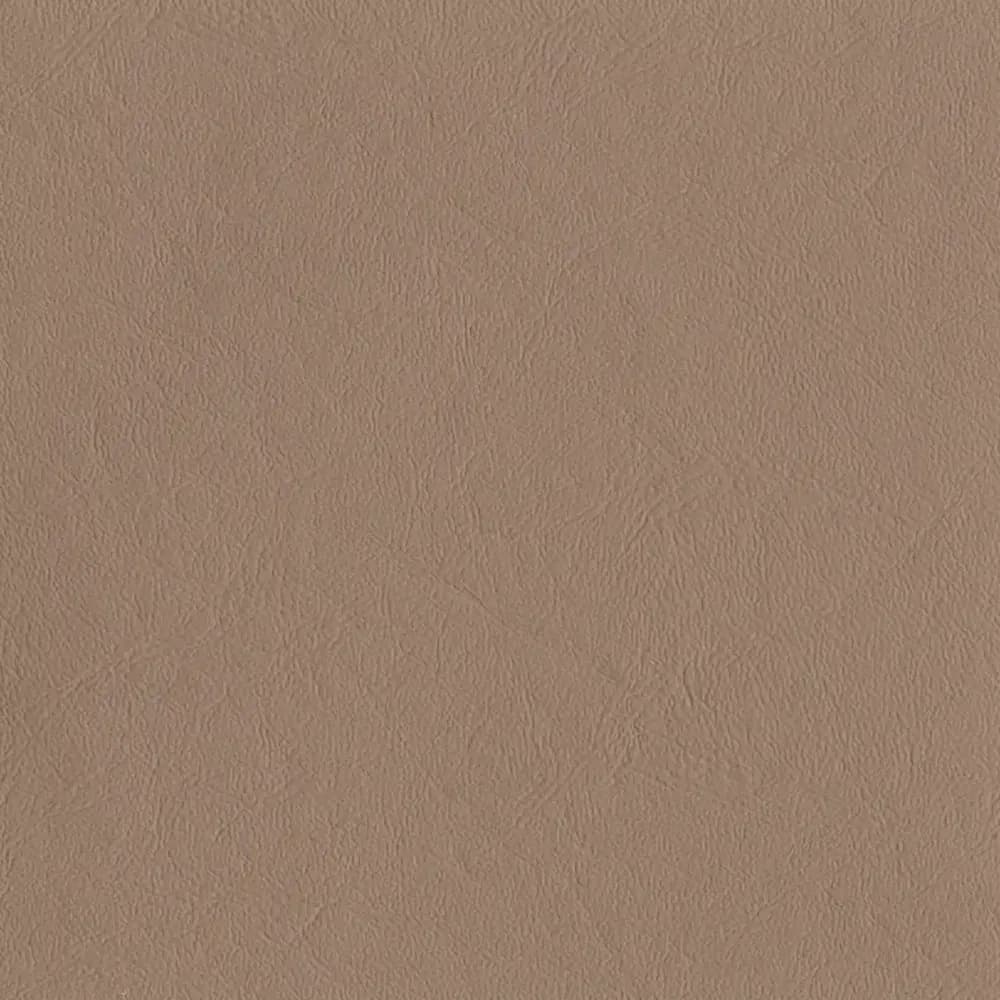
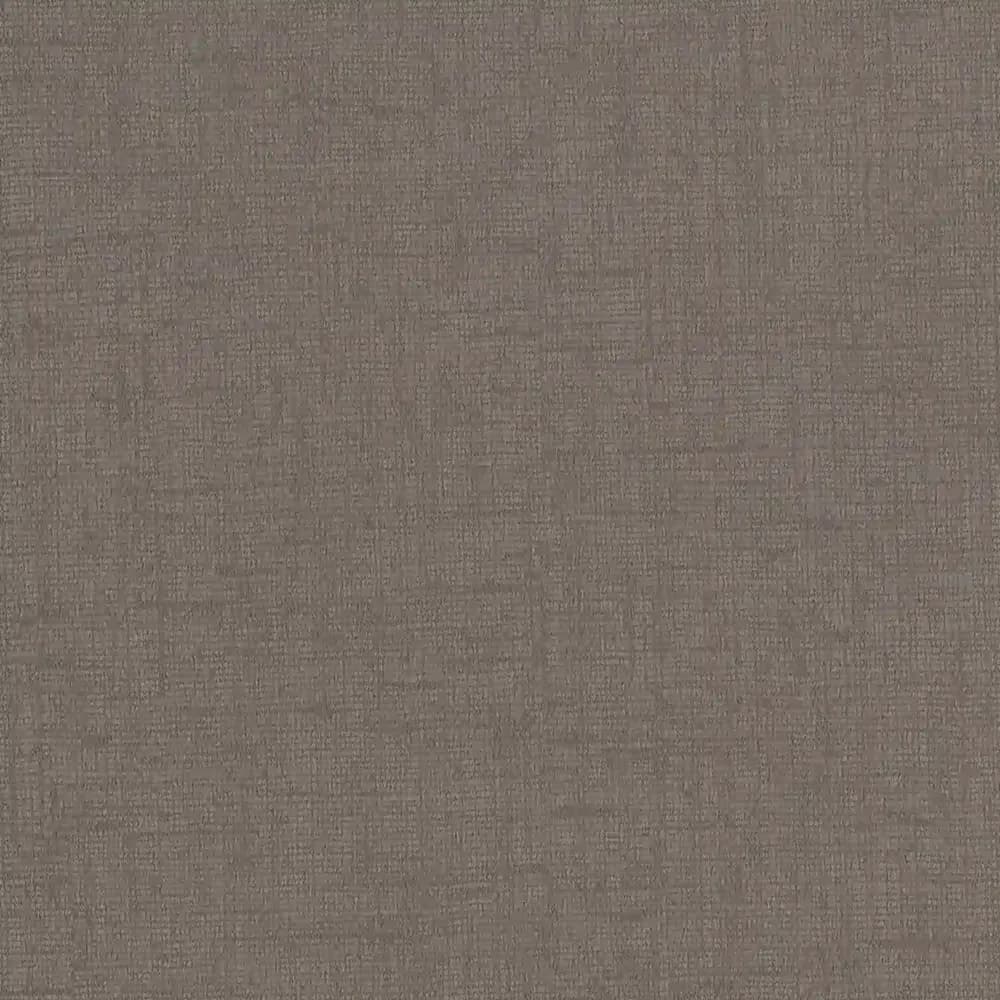
You can judge whether a grain feels understated or heavily textured. You can see how the surface reflects light. You can compare colours against surrounding materials instead of relying on a digital image or printed brochure. Even the way a material feels in your hand contributes to an instinctive sense of whether it's appropriate for the space you're designing.
These are subjective decisions, but that doesn't make them any less important. They're often the difference between a material that simply works and one that genuinely belongs.
...then the furniture enters the conversation.
The moment a material is upholstered, the conversation changes.
A swatch is flat. Furniture isn't.
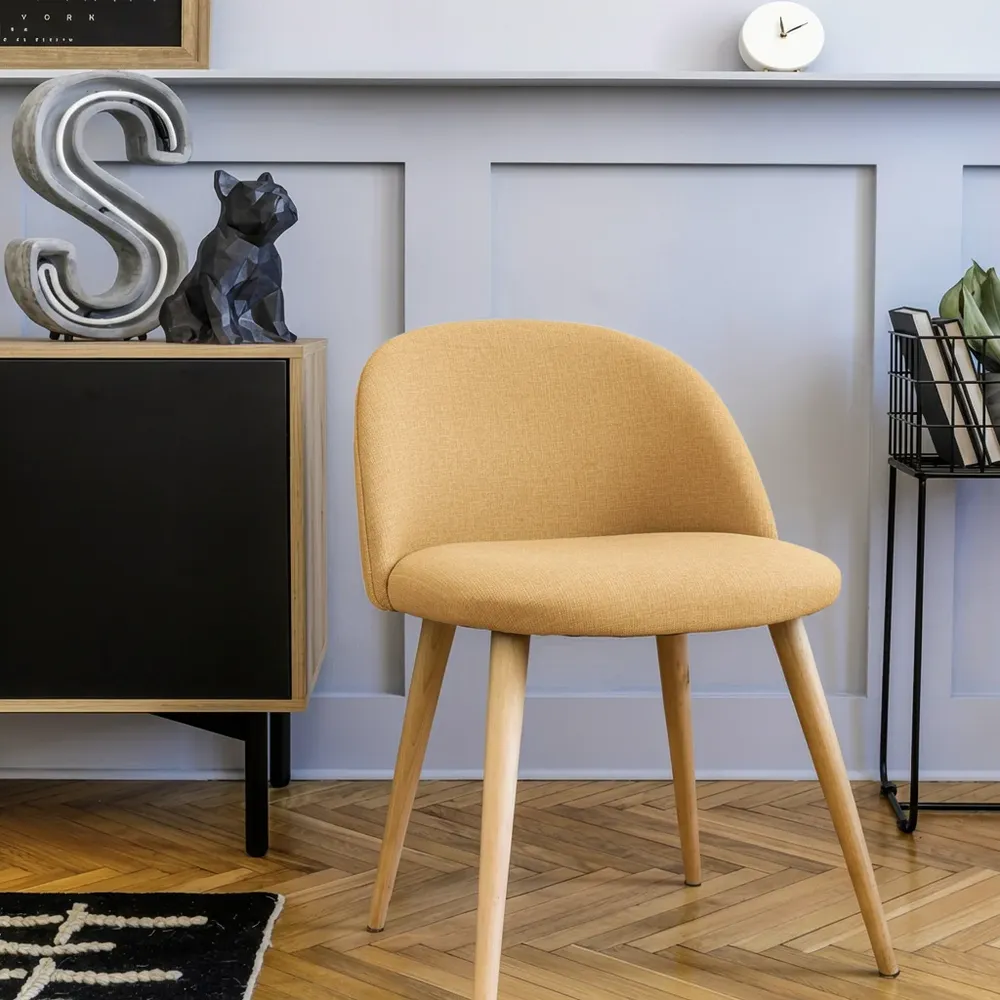
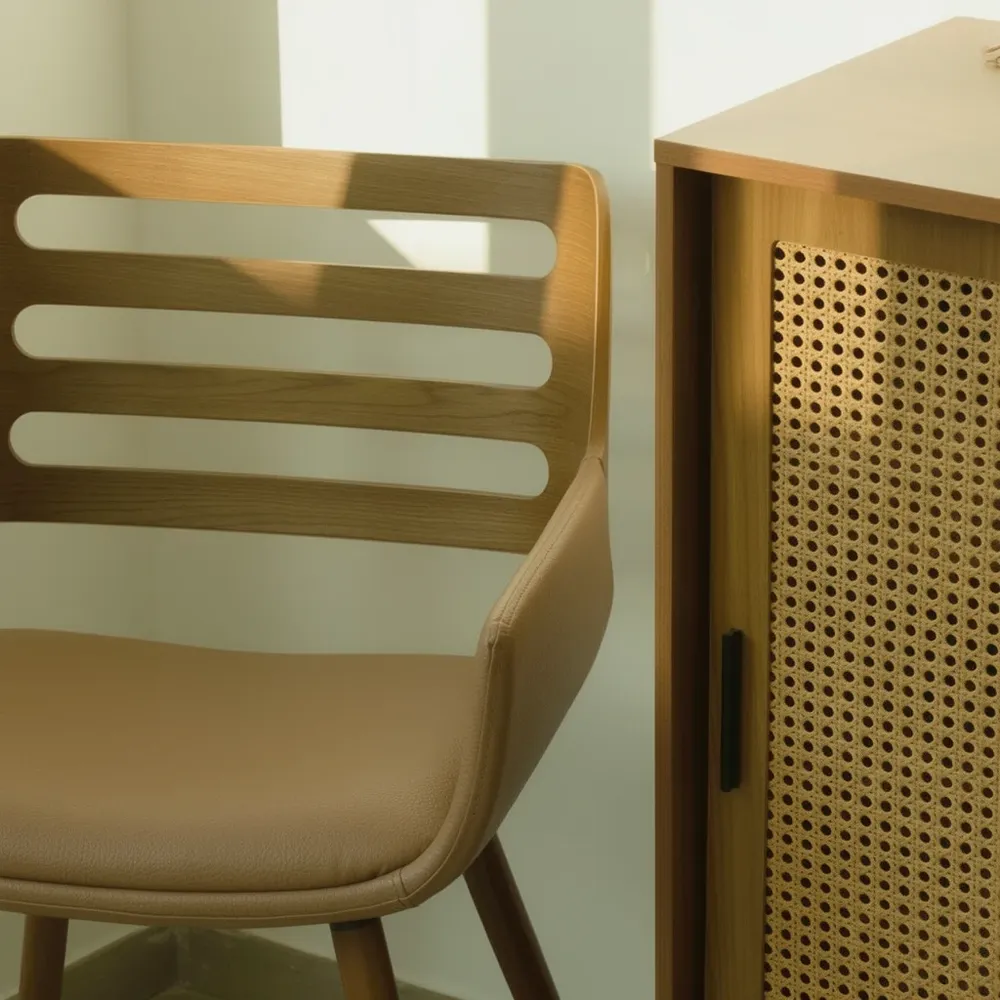
What potentially looked subtle on a small sample may become much more prominent across the back of a chair. Seams introduce rhythm. Curves catch the light differently. Details that barely registered in your hand suddenly become defining features once the material is stretched over foam and shaped around a frame.
It's something most designers recognise. A material rarely looks exactly the same as it did when it was sitting on the sample table. That's not a flaw in the sample. It's simply the difference between seeing a material in isolation and seeing it perform its intended role.
Some qualities only reveal themselves over time
Quite simply, no sample can tell you how a material will look after years of everyday use.
It just can't show the effect of repeated cleaning, constant contact or the wear that naturally comes with busy environments. It won't tell you how the finish will look after thousands of people have used the same chair, or how the surface will respond to the demands of a healthcare waiting area compared with a hotel lounge.
Those questions are answered differently.
They come through technical testing, performance data and an understanding of the environment the material is being specified for.
That's why experienced specifiers very rarely rely on appearance alone. A sample may introduce the material, but evidence builds confidence in the specification.
Every project asks different questions
It's easy to focus on the material itself – but more often than not, the better question is whether it's right for the environment.
A university learning space places different demands on upholstery than a corporate office. Hospitality interiors ask something different again. Passenger transport brings its own challenges entirely.
The context shapes the specification as much as the material does.
That's why the most successful projects don't begin by asking, Which upholstery should we choose? They begin by asking, What does this space need from its upholstery?
The answer usually makes the material choice much clearer.
A sample is the start of the process
Perhaps that's the real value of an upholstery sample.
It isn't there to make the decision for you. It's there to begin the conversation.
A good sample helps you understand the character of a material. It invites comparison, raises questions and gives everyone involved in a project something tangible to respond to. From there, technical performance, application and long-term durability complete the picture.
The best specifications are rarely built on first impressions alone.
They're built by combining what you can see and feel with what experience, testing and context reveal over time.
And that's something no 100 mm square swatch could ever show on its own.
Choosing the right upholstery involves more than comparing samples. Explore our coated fabric collections or speak to our team to discuss the requirements of your next project.
Frequently Asked Questions
Why shouldn't I choose upholstery fabric based only on photographs?
Photography is influenced by lighting, camera settings and screen calibration. A physical sample provides a much more exact representation of colour, texture and finish in the environment where the material will be used.
Can a small upholstery sample show how the finished furniture will look?
Not completely. While a sample represents the material itself, it cannot replicate how the fabric will appear across larger surfaces, around curves, through stitching, or under different lighting conditions.
How important is texture when selecting upholstery?
Texture has a significant influence on how a material is perceived. It affects how light reflects from the surface, contributes to the tactile experience and helps shape the overall character of an interior.
Can I judge durability from a sample?
Only to a limited extent. A sample gives an indication of material quality, but long-term durability should be assessed using technical performance information and evidence of successful use in similar environments.
How does upholstery affect the lifespan of a commercial interior?
Upholstery contributes to how long furniture retains its appearance and remains appropriate for use. Selecting a material suited to the environment and maintaining it correctly can help reduce premature replacement, limit disruption and preserve the original design intent for longer.
What's the best way to use an upholstery sample?
View it alongside other finishes in the project, assess it under the intended lighting conditions and combine your visual assessment with technical information. Together, these provide a more complete basis for specification than either one alone.

















-1000x667.jpg&w=3840&q=75)