Designing healthcare interiors that don’t feel clinical
Healthcare interiors present a complex design challenge; spaces must meet strict hygiene and safety standards while still supporting patient comfort and dignity.
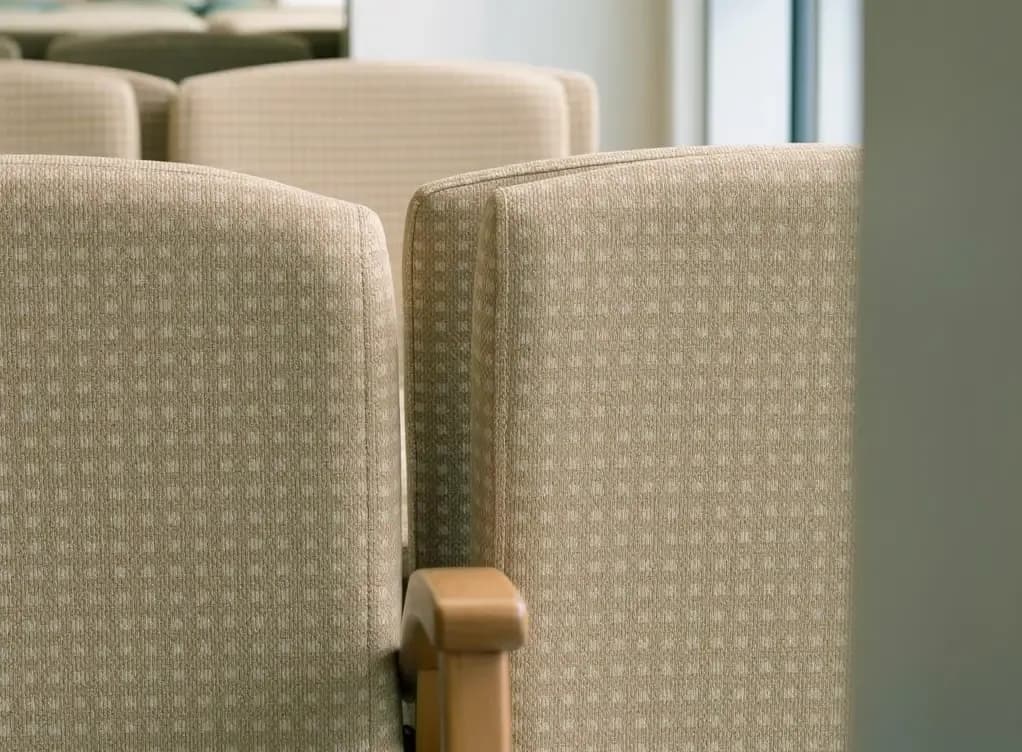
For designers and specifiers, materials play a key role in achieving this balance. Surfaces in seating, waiting areas and treatment spaces must withstand intensive cleaning and daily use, yet they also shape how people emotionally experience the environment.
The goal of choosing the right healthcare upholstery fabrics is to create interiors that feel calm and reassuring, even within highly controlled clinical settings.
The challenge of healthcare interior design
Healthcare interiors have stricter requirements than most other spaces. In hospitals, clinics, and care homes, hygiene, safety, and durability are essential for the space to work as it should.
How patients and visitors feel in these spaces also matters. Patients and visitors often arrive feeling vulnerable, making the environment's atmosphere particularly important to their comfort while waiting or receiving care.
In the past, healthcare interiors focused mostly on compliance. Hard surfaces and plain colours were common because they were easy to clean, but this often-made spaces feel cold and impersonal.
Now, designers increasingly recognise that the character of a space can influence how comfortable and reassured patients feel during their visit. This means carefully choosing materials, especially for seating and waiting areas where people spend a lot of time.
Why materials shape patient experience
The materials you use in a healthcare space have a big impact on how it feels. Upholstery affects both how the room looks and how comfortable it is.
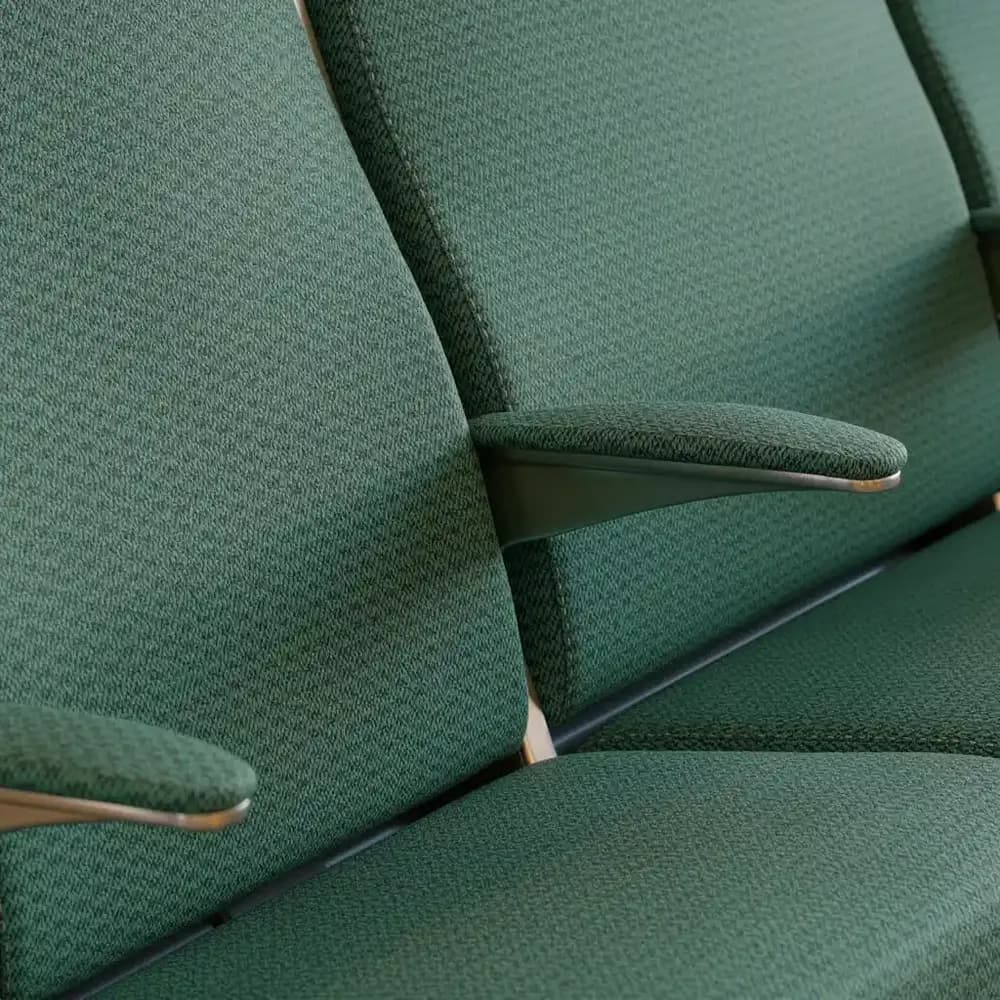
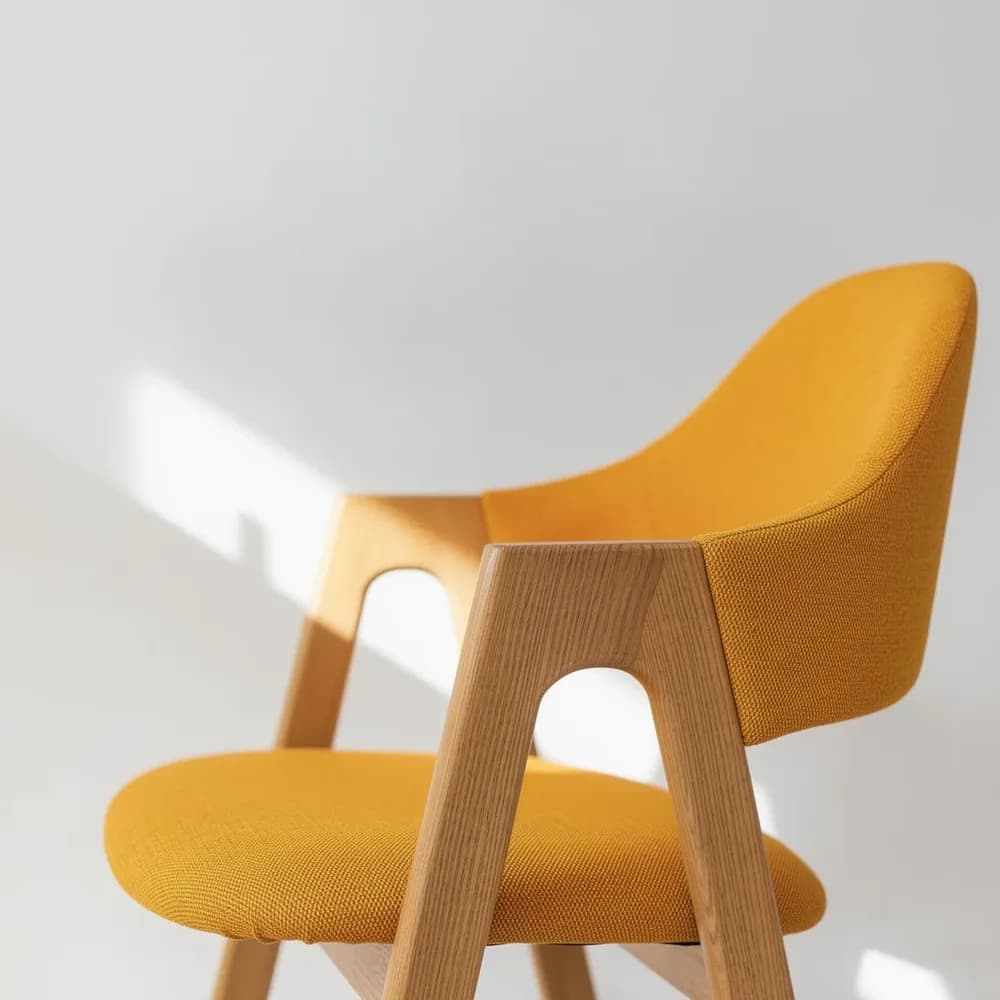
Seating in waiting areas must remain comfortable and visually consistent despite continuous use and frequent cleaning.
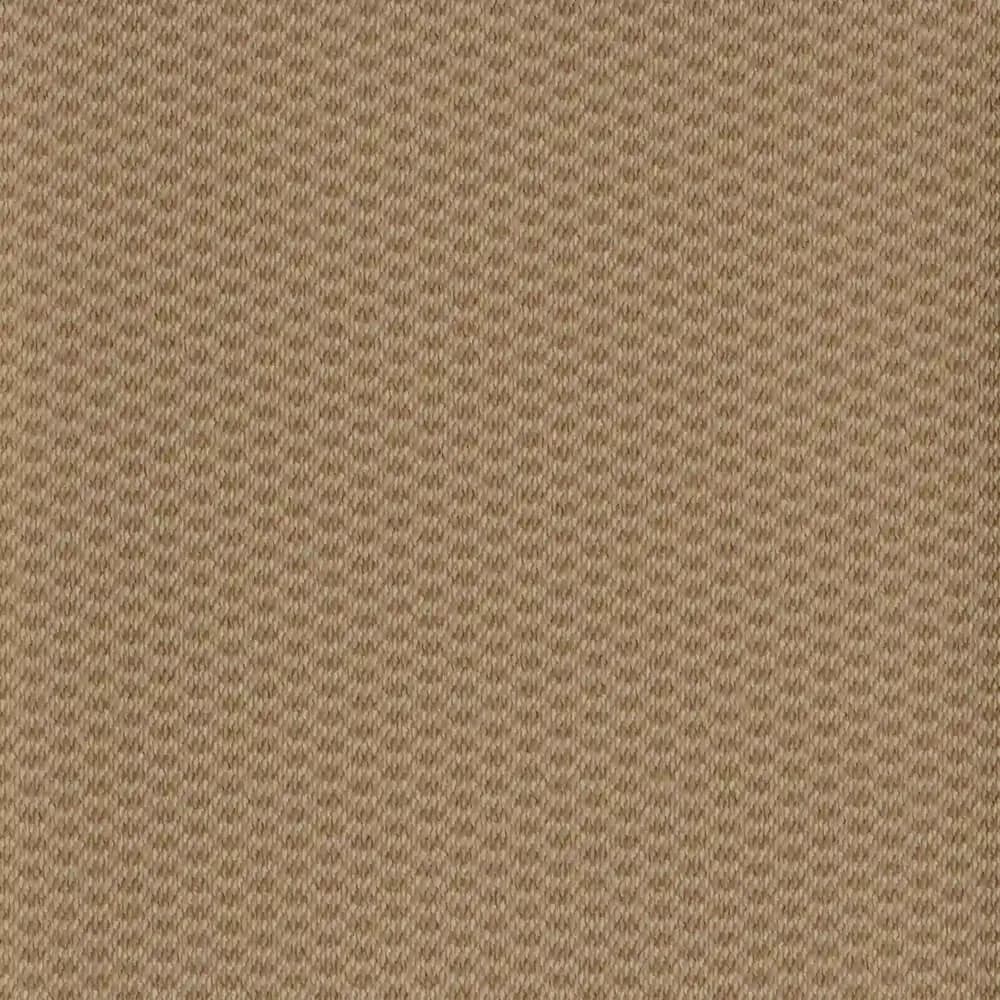
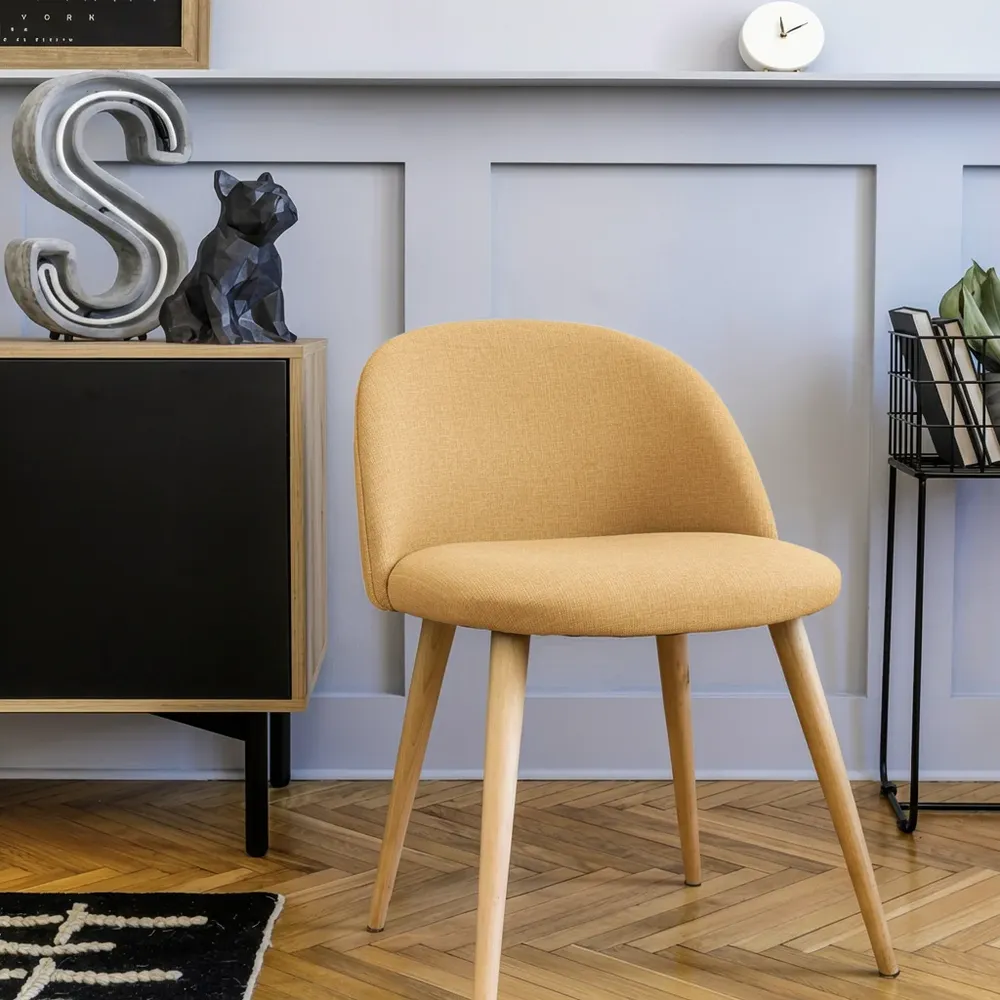
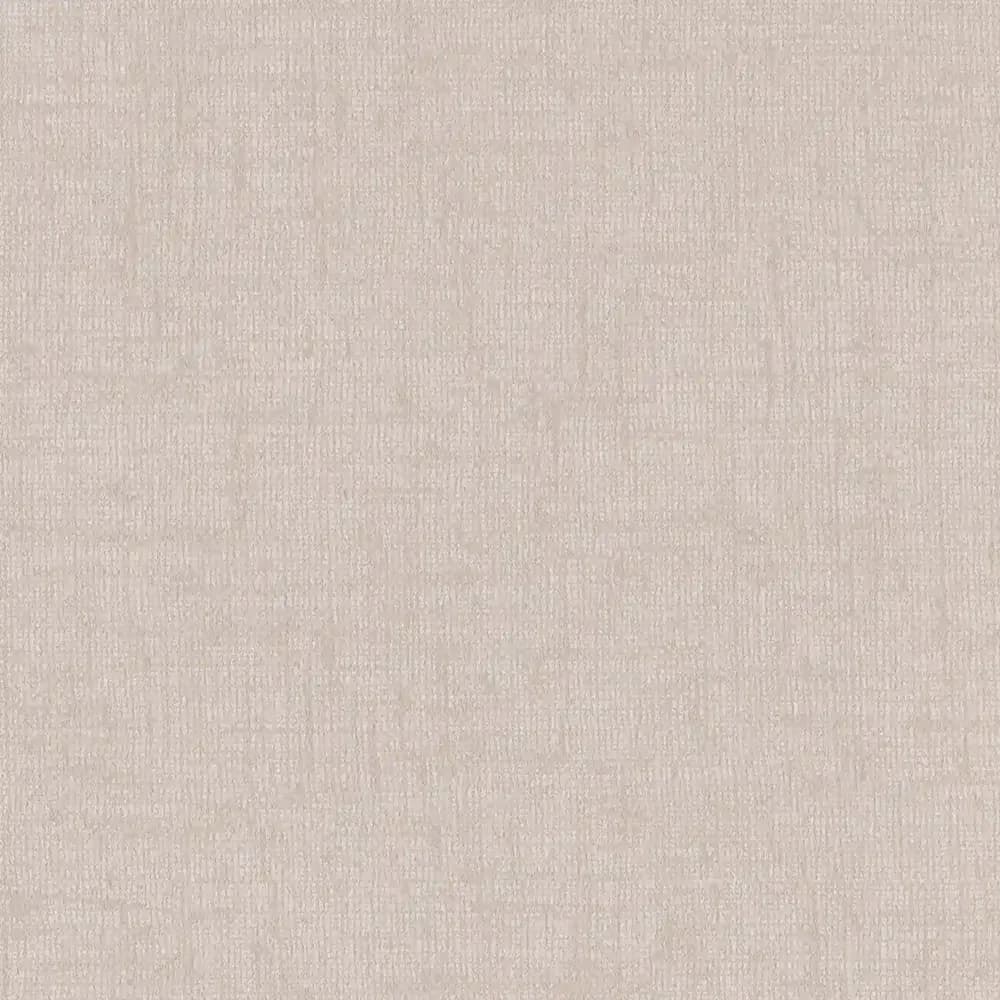
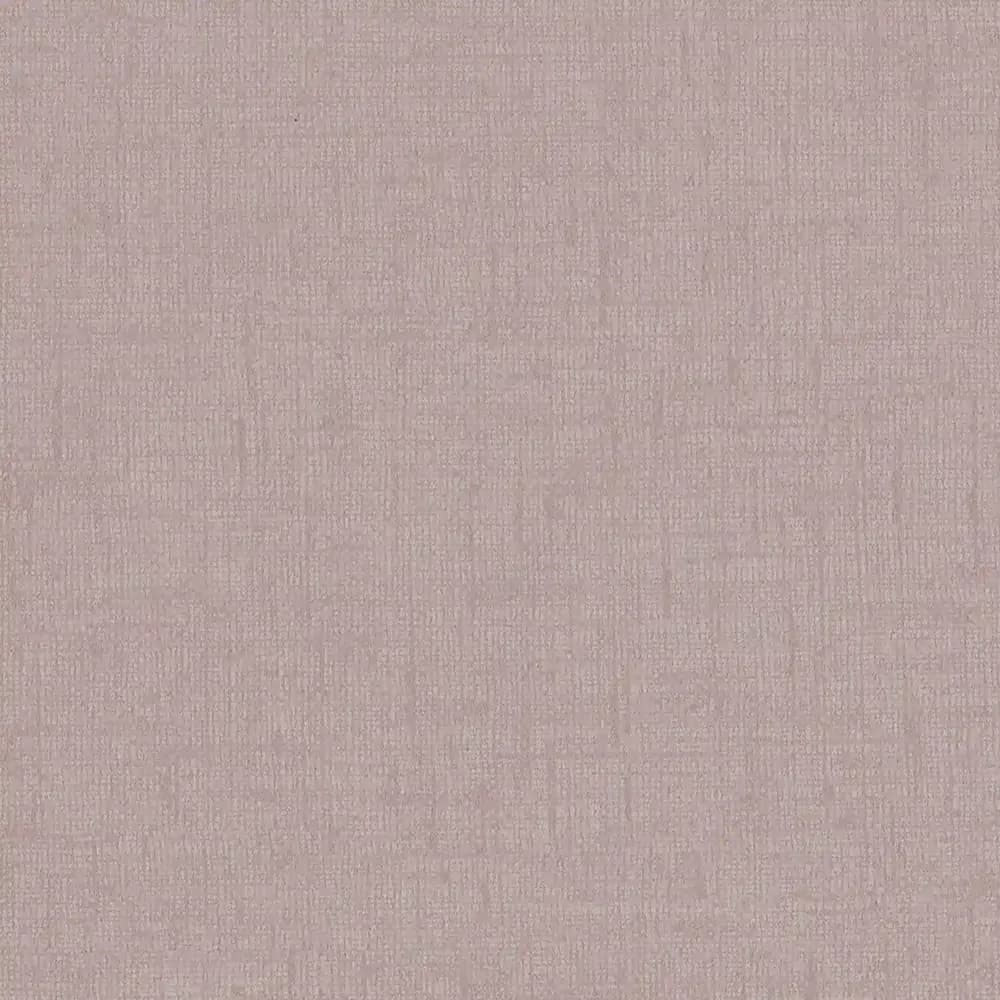
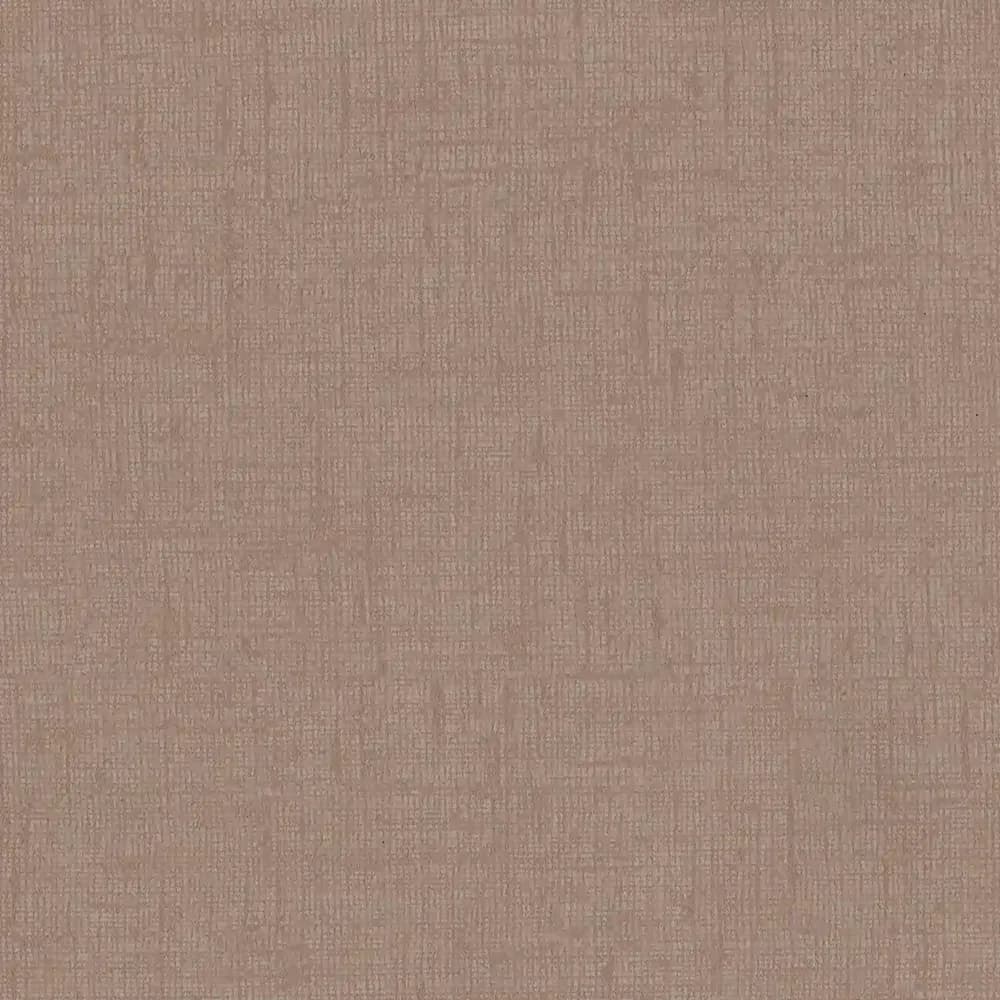
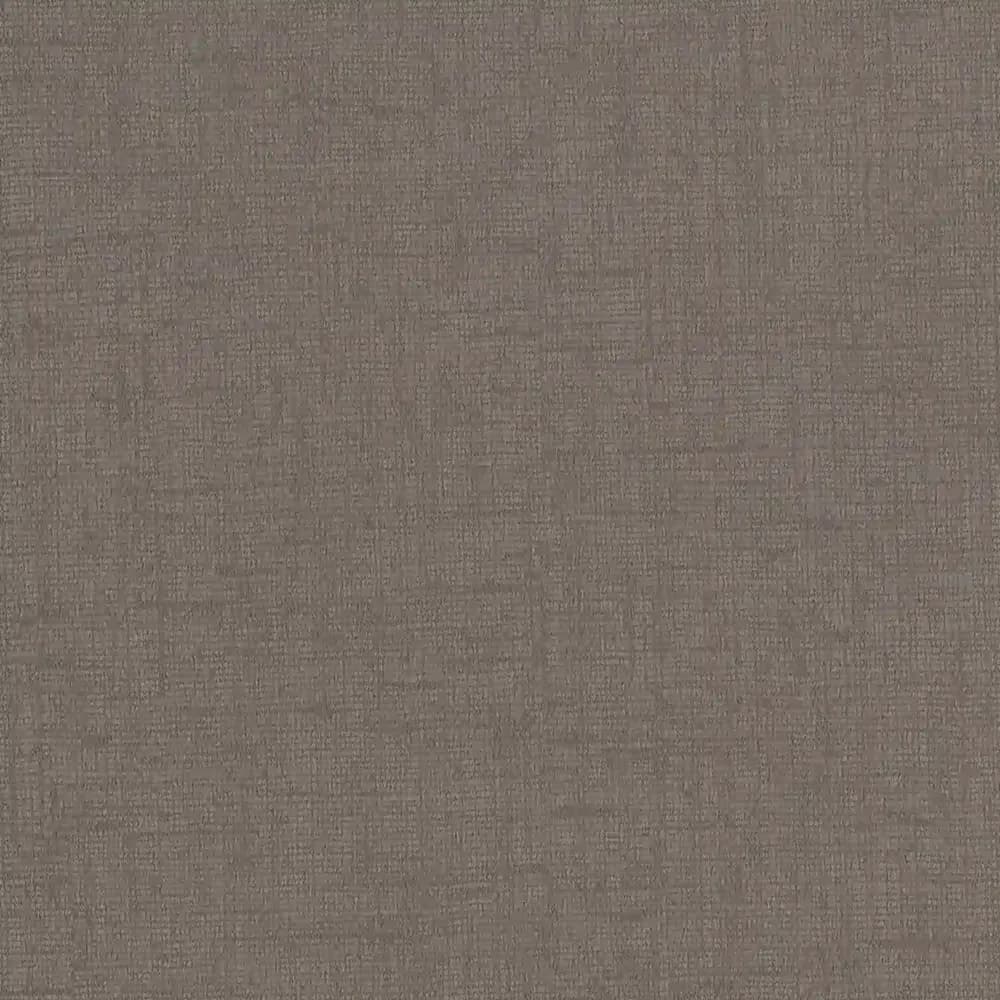
Using subtle textures and textile-like finishes can add warmth without losing practicality. Instead of just white or clinical colours, many modern healthcare spaces use softer neutrals, muted greens, warm greys, or calming blues.
How upholstery feels is important too. Comfortable, supportive seating can make waiting easier, especially for older patients or those with mobility issues.
Designers must specify materials that deliver both comfort and long-term performance.
Hygiene requirements in healthcare upholstery
For hospital seating upholstery, the materials used not only need to withstand rigorous cleaning but also resist the growth of microorganisms such as bacteria, mould, and mildew. This is why many healthcare spaces specify materials with built-in antimicrobial protection.
Antimicrobial upholstery helps prevent microbes from growing on the surface, keeping it cleaner when not in use. This supports better infection control and long-term cleanliness in healthcare settings.
Smooth, non-porous surfaces support effective cleaning by preventing contaminants from becoming trapped within the material structure. Coated fabrics are often chosen because their protective layer withstands regular cleaning.
The most effective healthcare materials are easy to clean, durable, and maintain their appearance.
Balancing compliance with design
Healthcare spaces must meet strict safety and regulatory standards, such as fire safety and infection control; ensuring every material is compliant is a key part of the design process.
However, the goal is not simply to comply with regulations; it is to create a space that supports patients, visitors, and staff.
To achieve this, materials need to meet several standards. Upholstery should be fire-retardant, look good in the space, and withstand frequent cleaning without losing colour or quality.
This is why it's important for designers to choose materials that are compliant whilst fitting visually within the space. Details such as subtle grains, textile-inspired textures, and a carefully developed colour palette help clinical areas feel more welcoming without compromising performance.
Why longevity matters in clinical environments
Waiting rooms can see hundreds of visitors each day, and furniture is regularly cleaned to maintain hygiene standards. If materials aren’t durable, they will show visible wear, cracking, or fading within a short time.
When this happens, furniture may need to be replaced earlier than expected, disrupting the facility and increasing material waste and maintenance costs.
Healthcare upholstery fabrics are designed for long-term performance, helping maintain their appearance and structural integrity even under demanding conditions.
Materials designed for long service life also reduce the frequency of replacement, helping lower the overall lifecycle impact of an interior.
For anyone designing healthcare spaces, durability isn’t just a technical detail. It helps with efficiency and supports environmental responsibility.
FAQs
What are healthcare upholstery fabrics?
Healthcare upholstery fabrics are materials specifically designed for use in medical environments such as hospitals, clinics and care homes. They are engineered to withstand frequent cleaning, resist microbial growth, meet strict fire safety standards, and remain suitable for seating and interior applications.
Why is antimicrobial upholstery important in healthcare?
Antimicrobial upholstery helps inhibit the growth of bacteria, mould, and other microorganisms on the material's surface. In healthcare environments where hygiene is critical, this added protection can support infection control practices and help maintain cleaner seating between cleaning cycles.
What materials are commonly used for hospital seating upholstery?
Coated fabrics and other performance upholstery materials are commonly used in healthcare settings. These materials offer smooth, cleanable surfaces that can withstand disinfectants, frequent wiping and heavy daily use while maintaining their appearance.
How can healthcare interiors feel less clinical?
Designers often introduce warmth through colour palettes, textured surfaces and carefully selected materials. Textile-inspired upholstery finishes, softer colour tones and comfortable seating can help create a more welcoming atmosphere without compromising hygiene or safety requirements.
Why is durability important in medical waiting room seating?
Medical waiting areas are constantly used by patients and visitors. Durable upholstery materials help seating maintain its appearance and structural performance over time, reducing the need for frequent replacement and ensuring the environment remains clean and professional.
Related Products
A considered selection of materials connected to the themes, surfaces or applications explored in this piece.