Best upholstery fabric for hospitality seating
Upholstery materials for hospitality settings must perform under constant use while maintaining appearance over time.
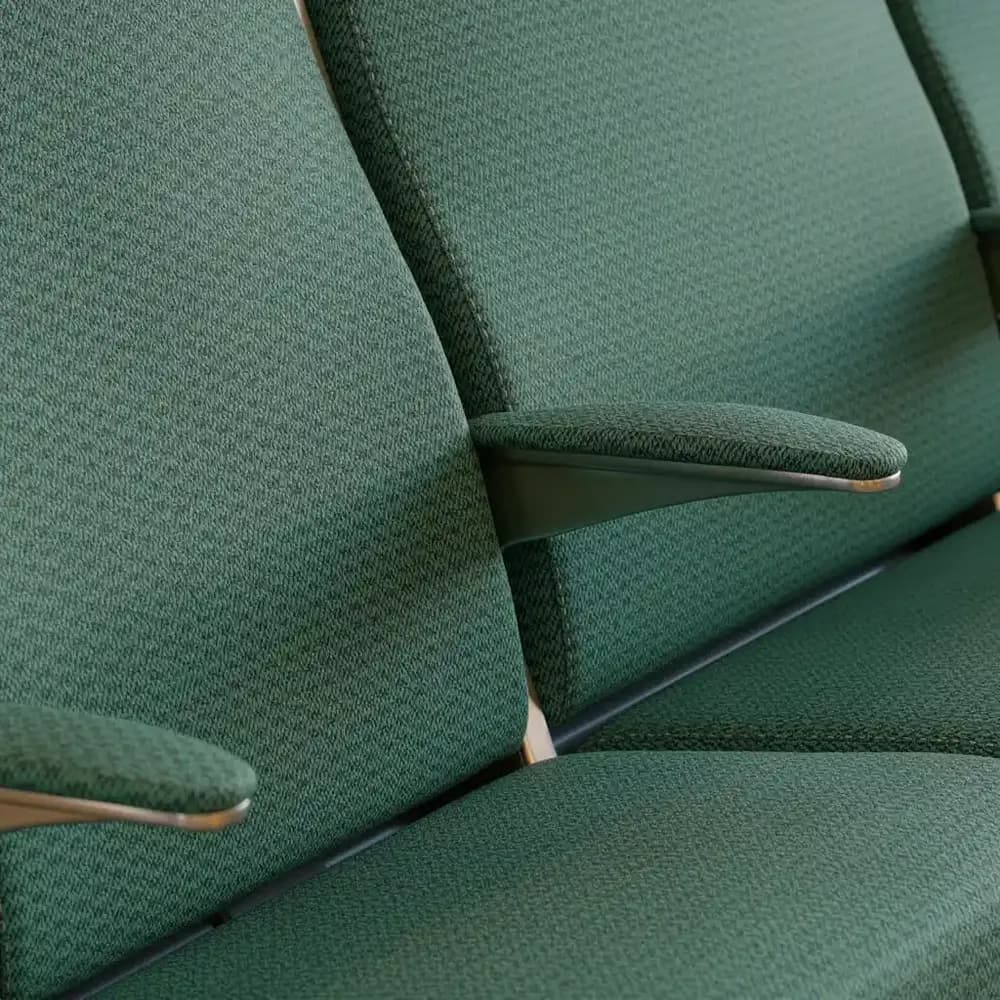
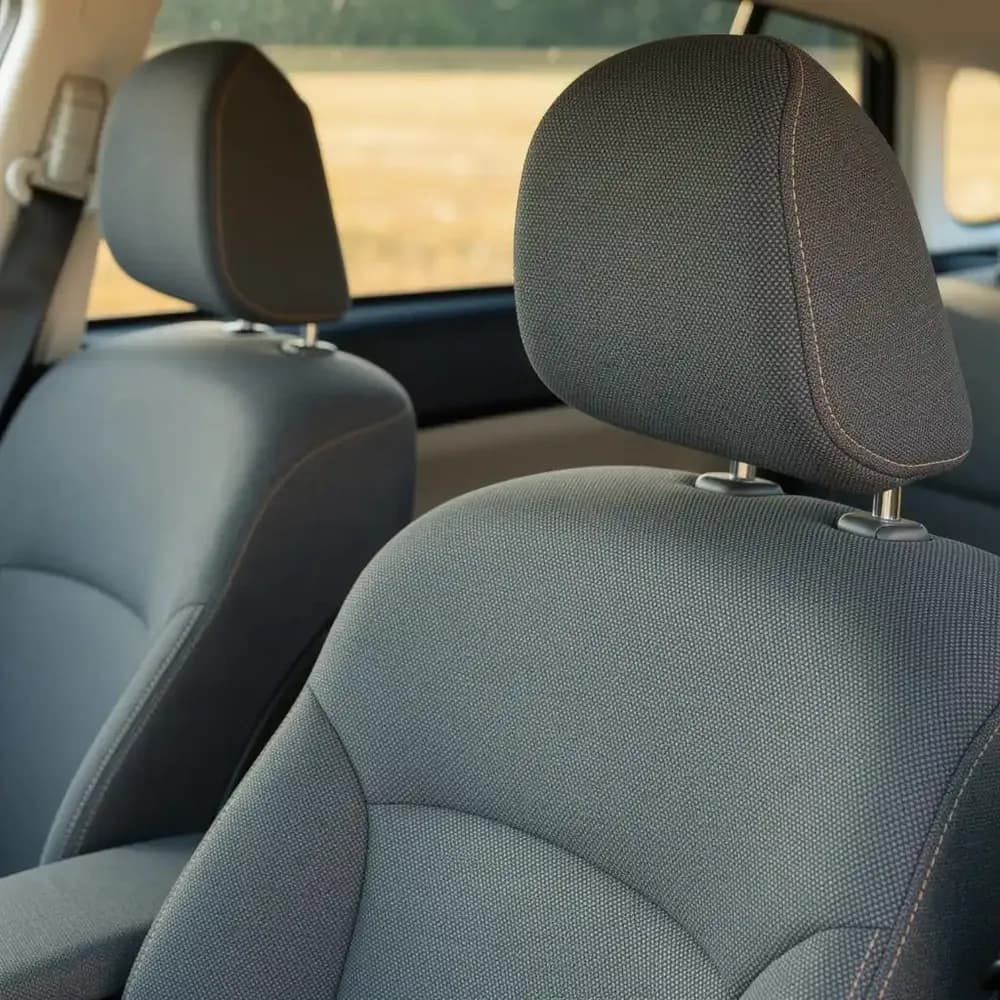
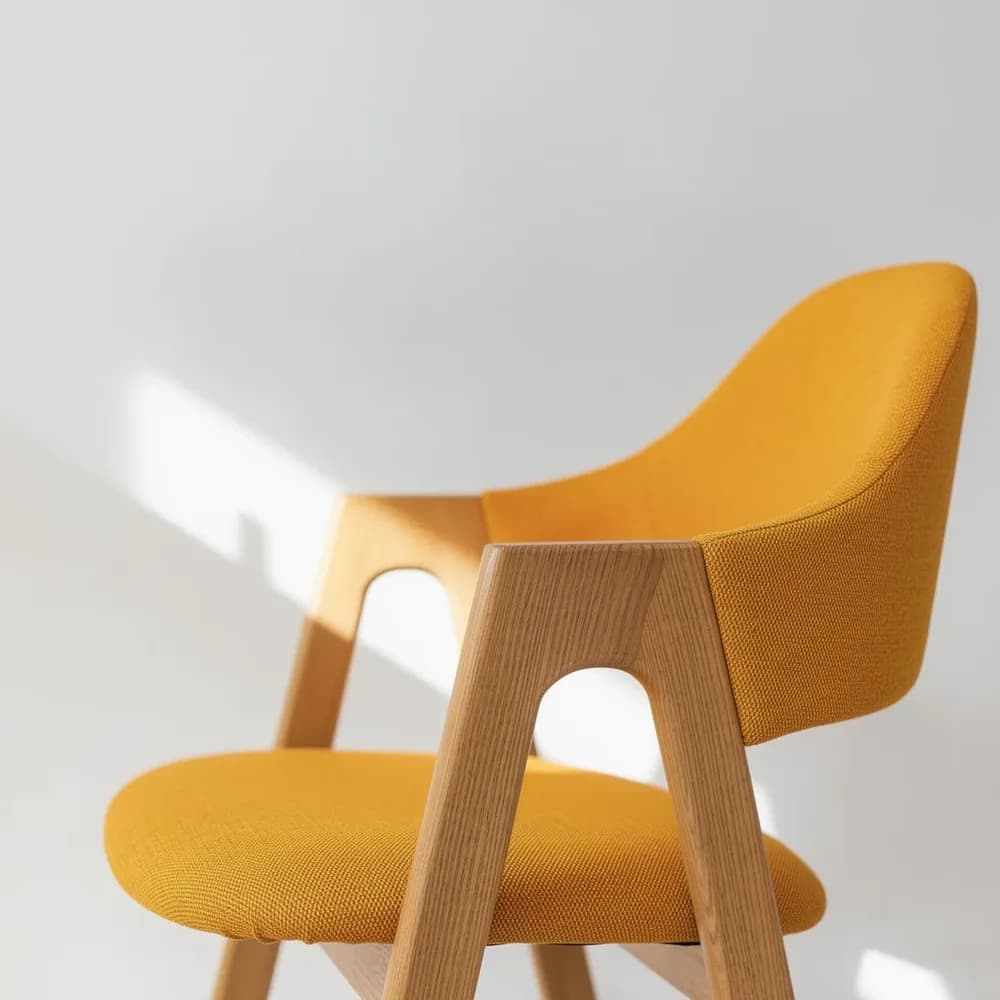
Upholstery materials used for seating in restaurants, hotels, bars, and lounges must perform under constant use while maintaining appearance over time.
Unlike residential furniture, hospitality seating is often exposed to:
- Frequent sitting and movement
- Spills and regular cleaning
- Long opening hours
- Strong lighting conditions
This makes choosing the best upholstery fabric for hospitality more complex than simply choosing based on colour or texture. Materials must be durable, capable of meeting maintenance requirements, and comply with safety standards.
For specifiers working in hospitality interiors, performance requirements typically focus on abrasion resistance, cleanability, fire safety compliance and colour stability.
Abrasion resistance: Managing constant use
One of the most important performance indicators for hospitality upholstery is abrasion resistance. This is because in busy venues, repeated use of seating means friction from sitting, movement and cleaning gradually wears down the surface. Materials that aren’t designed for commercial environments can quickly show signs of wear.
High-performance upholstery fabrics are engineered to maintain surface integrity even after prolonged use.
In hospitality settings such as:
- Restaurant seating
- Hotel lobby furniture
- Bar stools and banquettes
- Lounge seating areas
For commercial seating applications, abrasion performance is the most important specification to check to prevent premature wear and reduce the need for frequent replacement.
Cleanability in hospitality environments
Hospitality seating encounters a high volume of spills from food, drink, oils and cleaning chemicals; therefore, upholstery materials need to support regular cleaning without degrading the surface.
Specialised materials often feature protective coats that help resist staining and moisture damage. Smooth surfaces also make it easier to wipe down quickly in between guests.
Cleanability is highly important for venues that are open throughout the day or into the evening, where fast customer turnover is essential.
Choosing a material with high cleanability not only preserves seating appearance but also makes maintenance practical for staff.
Fire ratings and safety compliance
When choosing the best upholstery fabric for hospitality, ensuring materials meet the required fire ratings is an essential part of responsible material specification.
Upholstery fabrics used in these settings must meet specific fire performance requirements, depending on the jurisdiction and furniture type.
Testing standards may include measures of flame spread, ignition resistance, or heat release to ensure compliance with the venue's fire safety standards.
Colour retention in busy interiors
Colour schemes are carefully designed within hospitality, so choosing upholstery material plays an important role in maintaining visual consistency.
Exposure to light, cleaning products and frequent use can cause colour fading or surface dulling in some materials. High-quality upholstery fabrics are designed to maintain colour consistency even with repeated cleaning and exposure to light. When upholstery retains its colour and surface quality, differences between older and newly installed seating are less noticeable.
Maintaining consistent colour across seating areas ensures the space's design intent remains as planned.
Case example: High traffic hospitality seating
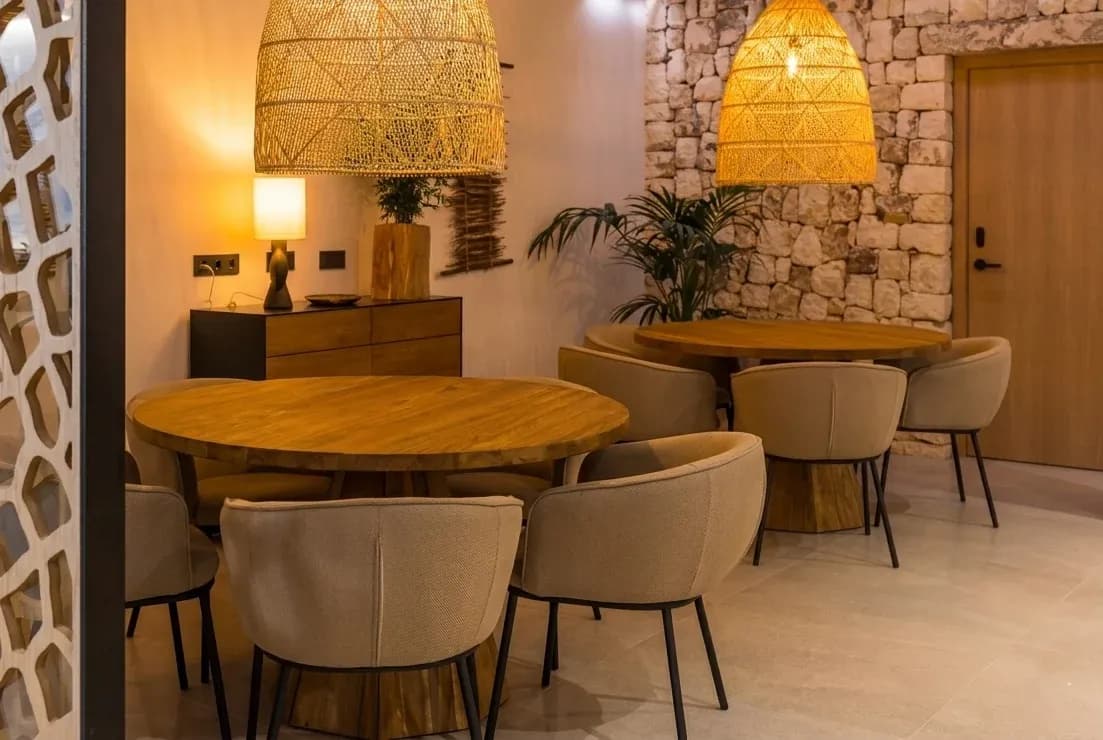
Seating in a hotel lounge or restaurant that is open from early morning through late evening is continuously used, with guests arriving and leaving frequently. Staff must clean the seating quickly between customers, and the materials must be durable enough to continue performing despite repeated use.
To ensure the seating still looks good and functions over prolonged use, choose upholstery materials that combine:
- Strong abrasion resistance
- Reliable cleanability
- Compliance with fire safety requirements
- Stable colour performance
Selecting appropriate materials helps maintain seating appearance over longer service periods.
Choosing a durable seating fabric
Choosing the best upholstery fabric for hospitality means balancing aesthetics and long-term performance.
When evaluating materials, specifiers often consider:
- Abrasion resistance
- Cleanability and maintenance
- Fire safety compliance
- Colour stability over time
These factors help determine whether a material can withstand the realities of hospitality environments.
For many hospitality projects, the best materials are engineered specifically for commercial seating, where durability and reliability are most important.
FAQs
What is the best upholstery fabric for hospitality seating?
The best upholstery fabric for hospitality seating is one designed for commercial environments. Materials with strong abrasion resistance, easy cleanability, fire safety compliance and colour stability are typically preferred.
Why is abrasion resistance important in hospitality upholstery?
Hospitality seating is used frequently throughout the day. Abrasion-resistant fabrics help maintain appearance and performance over time.
What upholstery fabrics are easiest to clean in hospitality settings?
Materials with protective coatings and smooth surfaces are generally easier to wipe clean and maintain between guests.
Do hospitality upholstery fabrics need fire ratings?
Yes. Many hospitality environments require upholstery materials to meet specific fire safety standards, depending on the type of furniture and venue.
How long should hospitality seating fabric last?
The lifespan of hospitality upholstery depends on usage levels, cleaning practices and material selection. Fabrics designed for commercial environments are typically engineered to withstand repeated use over extended periods.
Related Products
A considered selection of materials connected to the themes, surfaces or applications explored in this piece.